These Cut-Flowers Never Disappoint!
By TigreBlume
A few weeks ago, I harvested my very first dinnerplate dahlia from my garden. Yes, you read that right—my dahlias just started blooming in late August! It wasn’t due to inclement weather, soil issues, watering mishaps, or pest pressure. The truth is simply that I accidentally got them planted a little late this year.
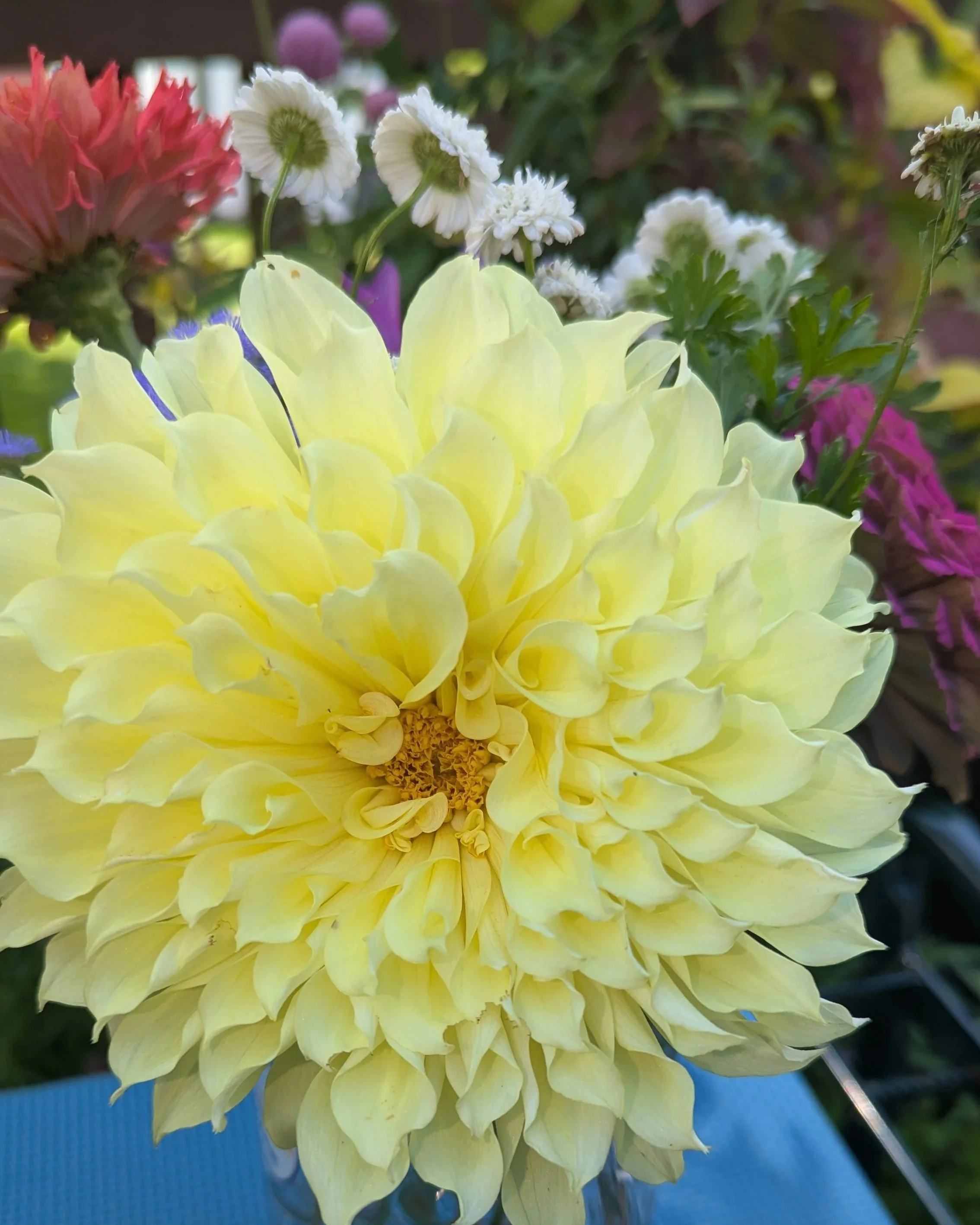
Bright-yellow colored dinnerplate dahlia (Kelvin Floodlight variety) with slightly ruffled petals, in full bloom. Courtesy of TigreBlume.
I source all of my dahlia tubers from an online flower retailer, usually ordering them early in the year so I have them in hand by April. Well, life got incredibly busy, and I didn't get around to unboxing and potting them up for pre-sprouting until mid-May. If you garden in a northern climate, “pre-sprouting” is a highly recommended practice. Because our growing season is shorter and dahlias need warm soil to thrive, starting the tubers indoors in nursery pots about four to six weeks before your last frost gives them a crucial head start. It ensures they have plenty of time to mature and bloom vigorously before the fall frost arrives.
If you are not entirely familiar with the “pre-sprouting” technique, I highly recommend checking out the video (linked below) where I unboxed this year's haul and demonstrated exactly how I prepare the tubers for the pre-sprouting process, along with a few other helpful tips!
After waiting a few weeks for them to sprout their first sets of leaves and acclimate to the outdoor elements, I finally planted them in the ground in mid-June. I chose four different dinnerplate varieties this season. Two are my tried-and-true favorites: Thomas Edison, which boasts the most stunning shades of purplish-pink, and Lavender Perfection, a gorgeous soft pink-lavender. These two hold up incredibly well through less-than-ideal weather conditions like high heat, humidity, and torrential rain, provided I give them the care they need. My routine includes staking and securing them with string shortly after planting to prevent wind and storm damage, pruning the lower leaves to keep fungal diseases at bay, feeding them consistently once they reach two feet tall, and checking in on them regularly to proactively manage any pests.
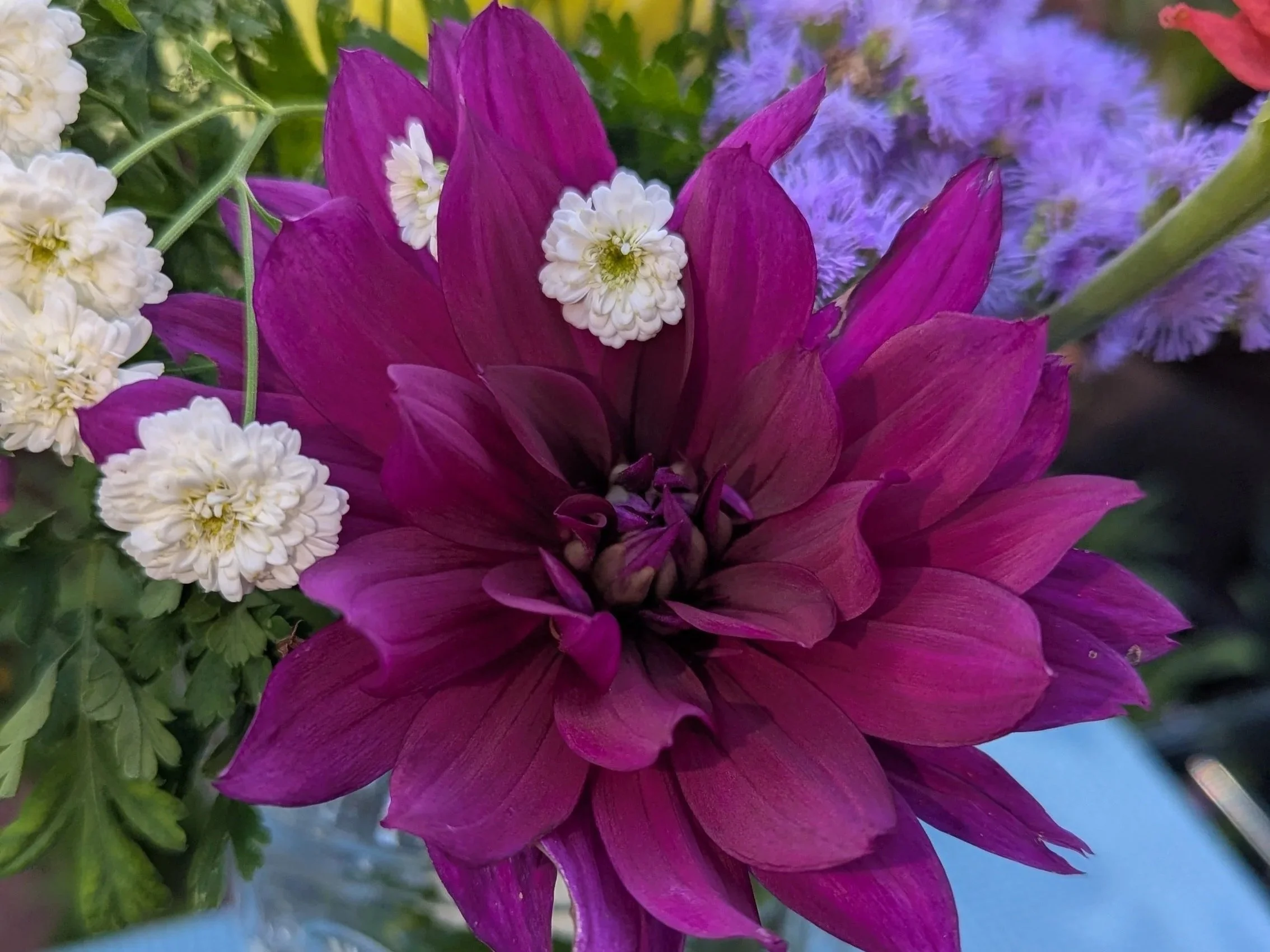
Deep pink-purple colored dinnerplate dahlia (Thomas Edison variety), with large soft silky petals, in full bloom. Courtesy of TigreBlume.
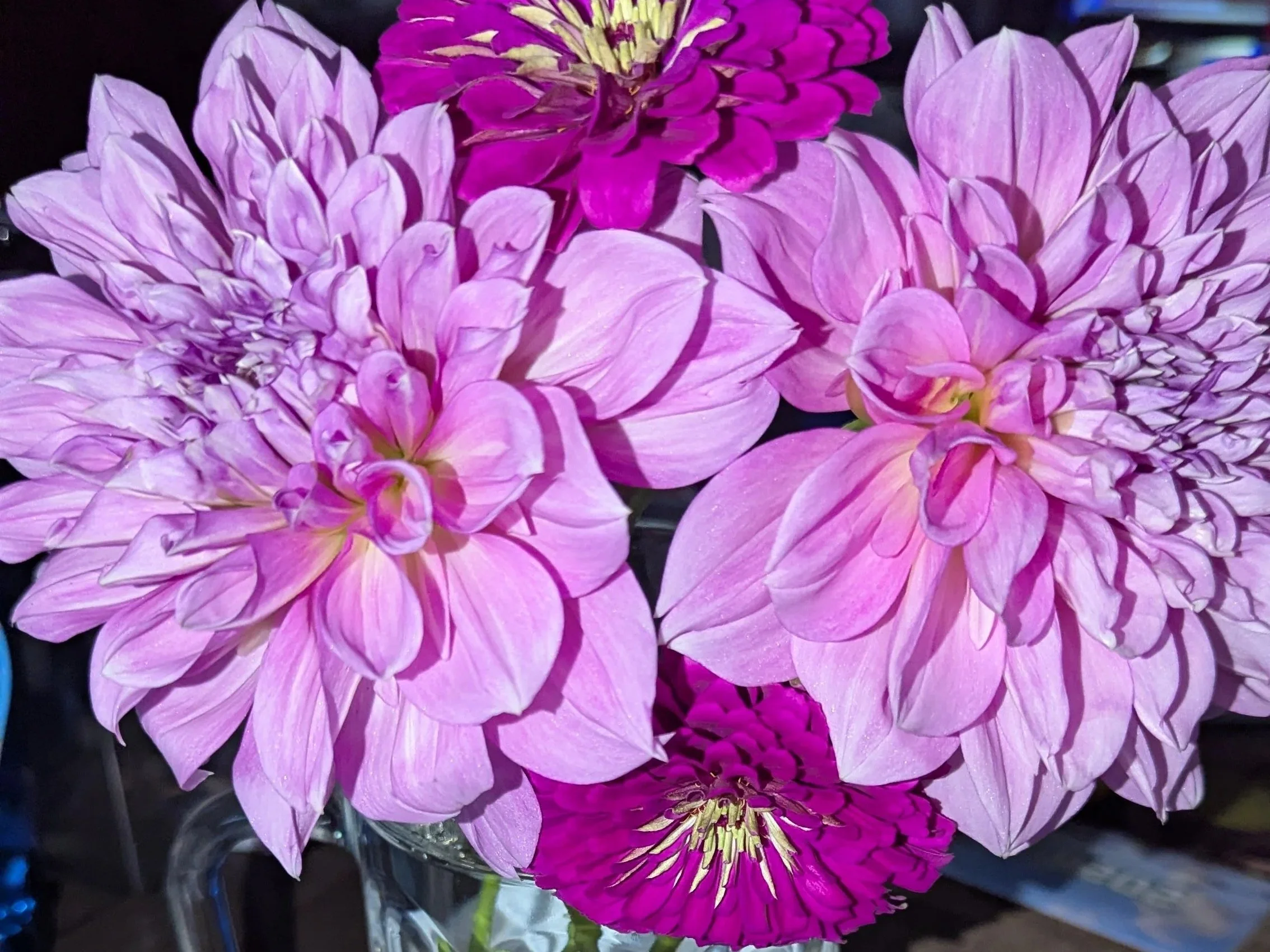
Soft lavender-pink colored dinnerplate dahlia (Lavender Perfection variety), with soft velvety petals of various sizes, in full bloom. Courtesy of TigreBlume.
This year, I also decided to try two new varieties: Kelvin Floodlight and Waterlily de Casis. Unfortunately, the Waterlily de Casis succumbed shortly after being planted, but Kelvin Floodlight brings enough cheer and sunshine for the both of them! I am thoroughly enjoying this bright yellow beauty. It brings an entirely different level of joy and high vibration to my garden.
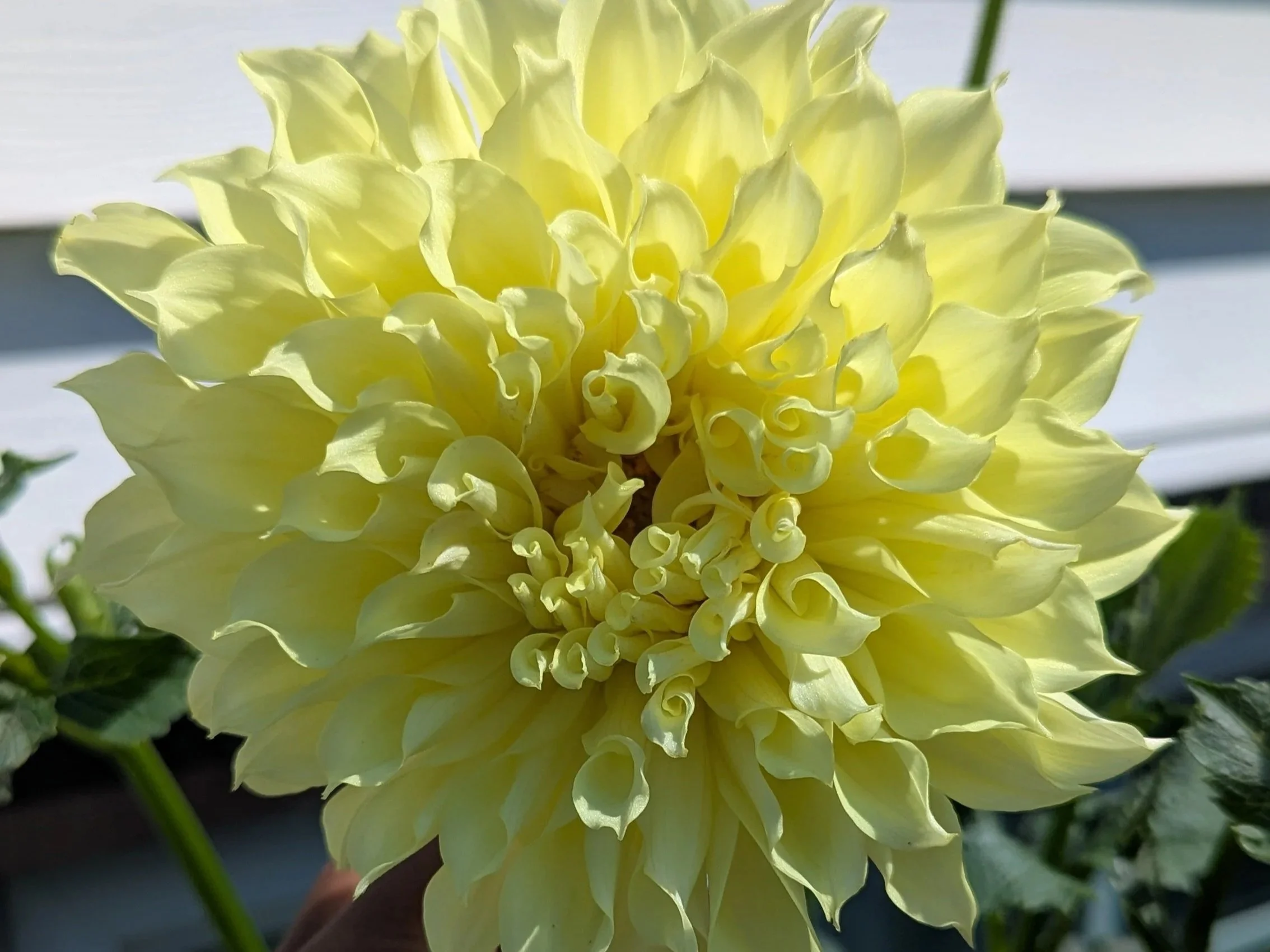
Bright-yellow colored dinnerplate dahlia (Kelvin Floodlight variety) with slightly ruffled petals, in full bloom. Courtesy of TigreBlume.
Historically, I have been a little hesitant to step outside the comfort of my typical color palette, as I naturally gravitate toward pink and purple blooms. However, over the past few years, I have started experimenting with shades of silver, bright yellows, and bi-color whites. There is a profound benefit to stepping outside of your comfort zone in the garden. When we challenge ourselves to try unfamiliar varieties or unexpected colors, we learn so much about what actually thrives in our microclimates. Breaking away from our usual habits adds gorgeous new depth, texture, and personality to our growing spaces, transforming a predictable landscape into a vibrant, evolving canvas.
Dinnerplate dahlias have easily become my favorite cut flower to grow. I love harvesting the fresh blooms just as they fully open and arranging them alongside other flowers from my garden to place around the house. I simply cannot imagine my garden without these boisterous beauties, and I hope to always have them growing through the summer and fall.
Have you ever ventured outside of your comfort zone and tried planting something you normally wouldn’t, only to find out it fits perfectly in your space? Did it leave you wondering why it took you so long to give it a try? Let me know in the comments below!
Happy growing!
