Preparing for the First Fall Frost!
By TigreBlume
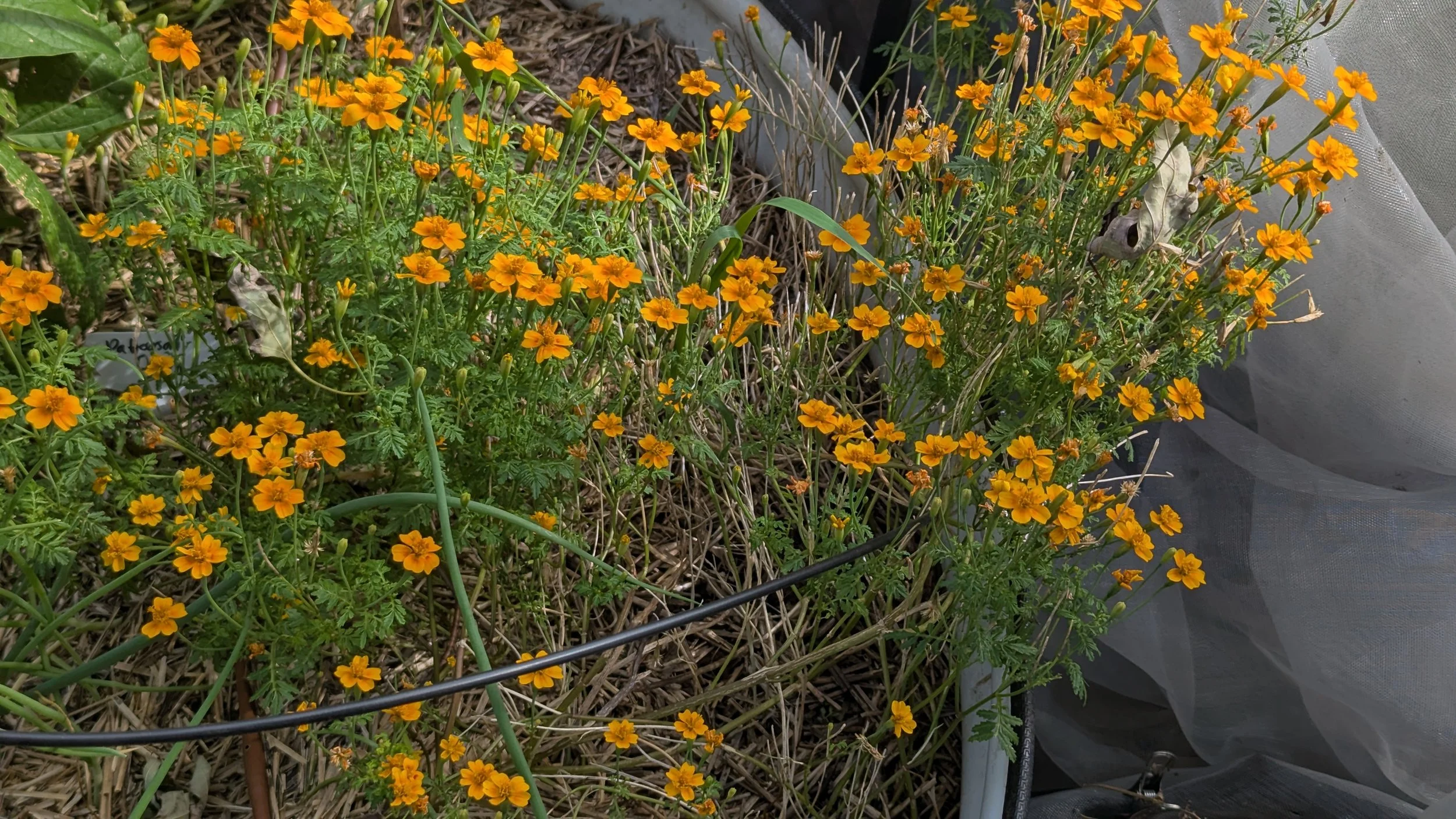
Photo Courtesy of TigreBlume.
There is a quiet, sweet shift that happens in the garden during this time of year. While I’m still anxiously waiting on a few late-season crops to give me their final yields, the cold reality is setting in: many things simply won’t mature before our first official frost arrives.
In my area, that frost could show up any day now. Our nighttime temperatures are already dipping into the low 50s, making the odds of getting a final harvest of cucumbers pretty much impossible. I’m not even banking on getting any more tomatoes from the beds and already have plans to pull most of those plants within the next few weeks. As for the peppers—well, there’s a 50/50 chance some will hang on into next month to give me a few more peppers for freezer storage, but we shall see!
For me, fall gardening is all about enjoying what’s left of the summer crops and annuals while diversifying the garden beds with flowers and vegetables that can handle light to medium frosts and keep producing in chillier temps. I kept this exact balance in mind when planning my fall garden, intentionally adding crops and varieties that can take a chill so I still have plenty of beauty and fresh pickings to enjoy until our first official hard freeze.
Flowers in the Fall Garden 🌸
Here is how the flowers currently growing in my garden stack up when it comes to cold hardiness:
Cold-Tolerant Fall Additions
Pansies & Violas: Extremely cold-tolerant. They can easily survive light (28 to 32 degrees Fahrenheit) and medium (24 to 28 degrees Fahrenheit) frosts, often blooming right through winter in milder regions.
Calendula (Pot Marigold): Very hardy. Handles light to medium frosts (25 to 28 degrees Fahrenheit) effortlessly and keeps pushing out blooms in chilly temps.
Snapdragons & Sweet Alyssum: Hardy annuals. They tolerate light to medium frosts (26 to 32 degrees Fahrenheit) and love the cool crisp weather.
Lobelia & Blanket Flowers (Gaillardia): Moderately cold-tolerant. They will handle a light frost (28 to 32 degrees Fahrenheit), though heavy freezes will push them into dormancy or end their bloom cycle.
Tender & Transitional Varieties Still Growing
Marigolds, Celosia, Amaranth, & Compact Dahlias: Semi-tender to tender. They can sometimes handle a very brief, high-end light frost (30 to 32 degrees Fahrenheit), but medium frost will blacken their foliage and end their season.
Zinnias, Petunias, Coleus, Geraniums, & Gomphrena: Frost-sensitive tender annuals. A light frost (28 to 32 degrees Fahrenheit) will usually mark the end for these summer favorites.
Verbena, Statice, & Black-Eyed Susan Vine: Semi-hardy to tender. They will tolerate cool nights and the lightest touch of frost (30 to 32 degrees Fahrenheit), but quickly decline once temperatures drop further.
Fall Vegetables 🥦
Broccoli, Brussels Sprouts, & Collard Greens: Exceptionally cold-hardy! They tolerate light, medium, and hard frosts (20 to 28 degrees Fahrenheit). In fact, a frost actually improves their flavor by making them sweeter!
Swiss Chard: Very cold-hardy. Handles light and medium frosts (25 to 32 degrees Fahrenheit) with ease, though extreme freezes may damage outer leaves.
Onions: Extremely hardy. Can survive light to hard frosts, especially when grown for green onion tops.
Zucchini & Butternut Squash: Warm-season, frost-sensitive crops. A light frost (28 to 32 degrees Fahrenheit) will kill zucchini foliage, while mature butternut squash can handle a very light frost on the vine before needing immediate harvest.
Herbs in the Beds 🌿
Oregano, Peppermint, & Lavender: Extremely cold-hardy perennials. They handle light, medium, and hard frosts without issue, entering winter dormancy naturally.
Rosemary: Moderately cold-hardy. Tolerates light and medium frosts (20 to 32 degrees Fahrenheit), though severe freezes can cause dieback depending on the variety.
Lemongrass: Tender tropical herb. Will not tolerate a frost (32 degrees Fahrenheit or below) and needs to be brought indoors or protected before temperatures drop.
My Frost Preparation Action Plan 📋
Here is what I am doing right now to prepare for the inevitable first frost:
Determining What Gets Covered: I'm assessing which crops need protection and what degree of coverage is required. Depending on forecasted temperatures, some tender plants may just need a light row cover or frost cloth for a brief light/moderate dip, so I'm getting my frost covers out and ready to go.
Coming to Terms with Loss: I'm making peace with what I am willing to let go as soon as the first frost hits. There are some plants I am choosing not to protect—like spent pepper plants and tender annual flowers—knowing their time has simply come.
Saving Seeds: Identifying which open-pollinated plants I want to save seeds from so I can collect dried seed pods from spent plants before frost ruins them.
Digging & Preserving Tender Perennials: Planning which plants need to be dug up and stored for next season—including dahlias (tubers), tender corms, herbs, and potted perennials. I'm finalizing my game plan for overwintering, storing, and protecting these roots.
Based on the weather forecast for the rest of this month, time is ticking! I’ll be spending plenty of time outdoors over the coming weeks executing this game plan, because proactive planning is truly the difference between losing everything and getting the absolute most out of what’s left of the season.
How are you prepping your garden for the shift into late fall/early winter? Are you holding on to the last of your summer crops, or are you already tucking in frost-hardy plants? Let me know in the comments below—I'd love to hear your game plan!
Happy Growing!🪴
