From Seedling to Sauce: My Favorite Tried-and-True Tomato Varieties
By TigreBlume
There is nothing quite like peak tomato season. These past few weeks, my garden has been putting on a show, and I have been busy harvesting loads of beautiful, sun-ripened tomatoes from one of my raised beds!
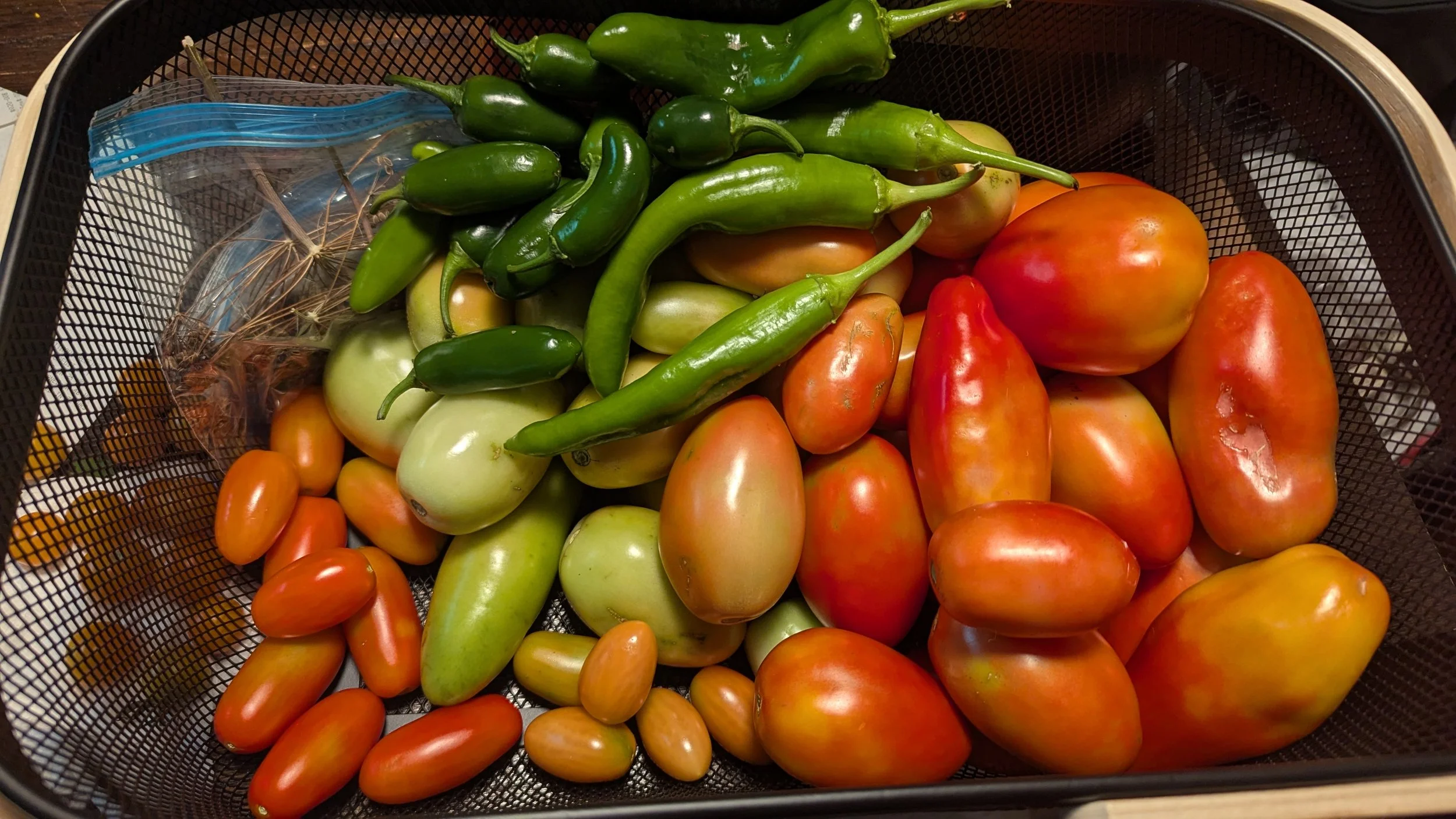
Large harvest basket full of red tomatoes, green tomatoes, green spicy peppers, and bags of flower seeds. Courtesy of TigreBlume.
As I mentioned in a previous post [Must Grow Paste Tomatoes] I stick to growing a handful of absolute favorite indeterminate paste tomato varieties—Pozzano F1, Granadero F1, and Juliet F1—alongside sweet Sun Gold cherries and a couple of reliable slicers (Beefsteak and Homeslice). I also had a batch of Verona F1 paste tomatoes, but those were gifted to a family member to share the garden love!
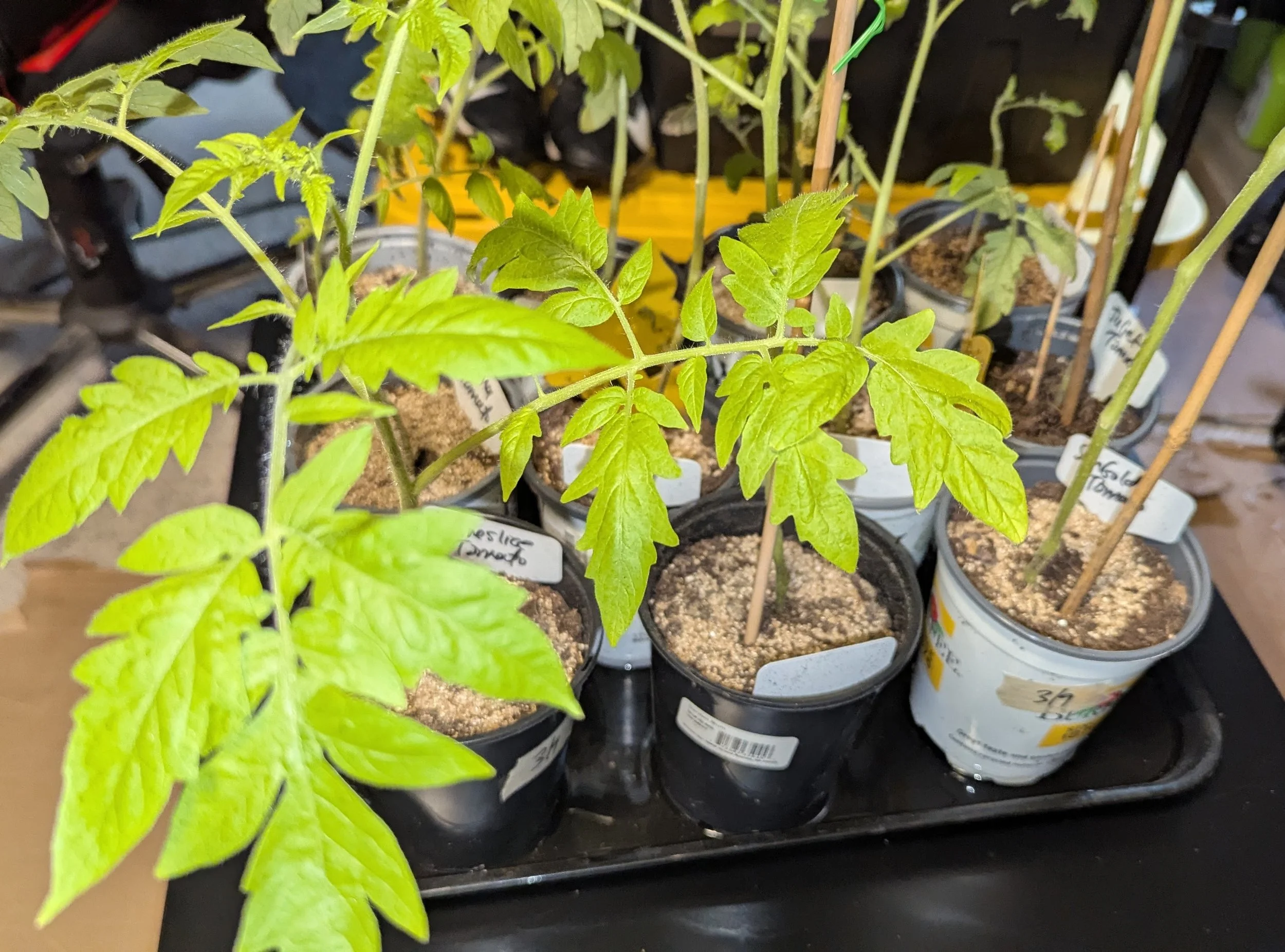
Young tomato seedling grown indoors and planted in pint size nursery pots, sitting in a black plant tray. Courtesy of TigreBlume.
My Staggered Planting Strategy
To get the most out of my space, I always start my tomato seeds indoors and wait to transplant them outdoors until nighttime temperatures consistently stay above 60°F. This year, I used a two-wave planting strategy to extend the harvest as long as possible:
Wave 1 (Mid-June): Planted 11 plants into my 6x3 ft modular raised bed.
Wave 2 (Late June): Planted 7 more plants—4 in my 6.2 ft raised bed, 3 in fabric pots, and 1 in my GreenStalk planter.
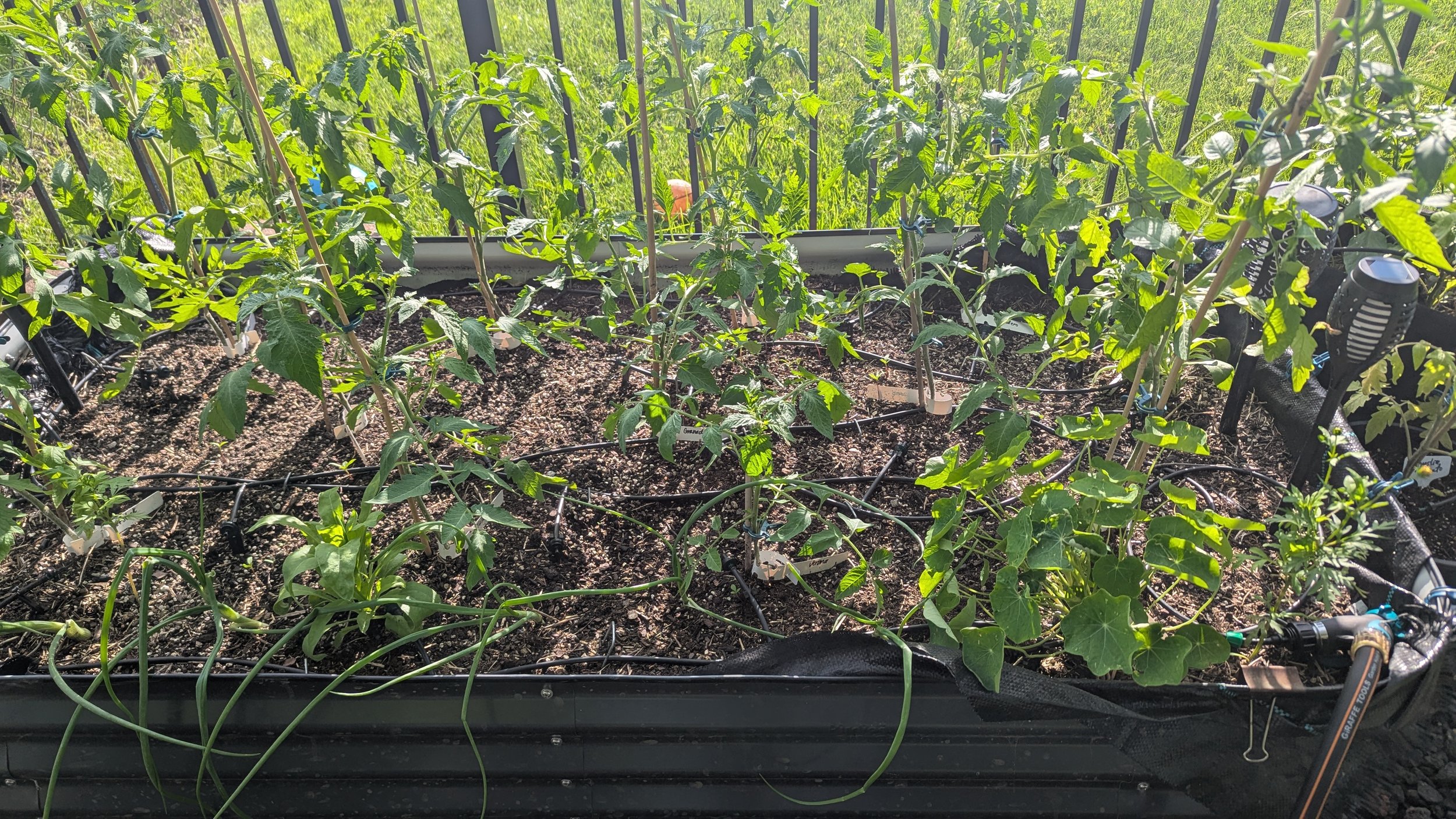
Modular raised bed full of garden soil and freshly planted tomato plants, onions and flowers. Courtesy of TigreBlume.
Staggering my plantings by a couple of weeks works wonders! Just as the first wave reaches its peak and begins to slow down, the second wave kicks into high gear, keeping fresh fruit coming right until the end of the season.
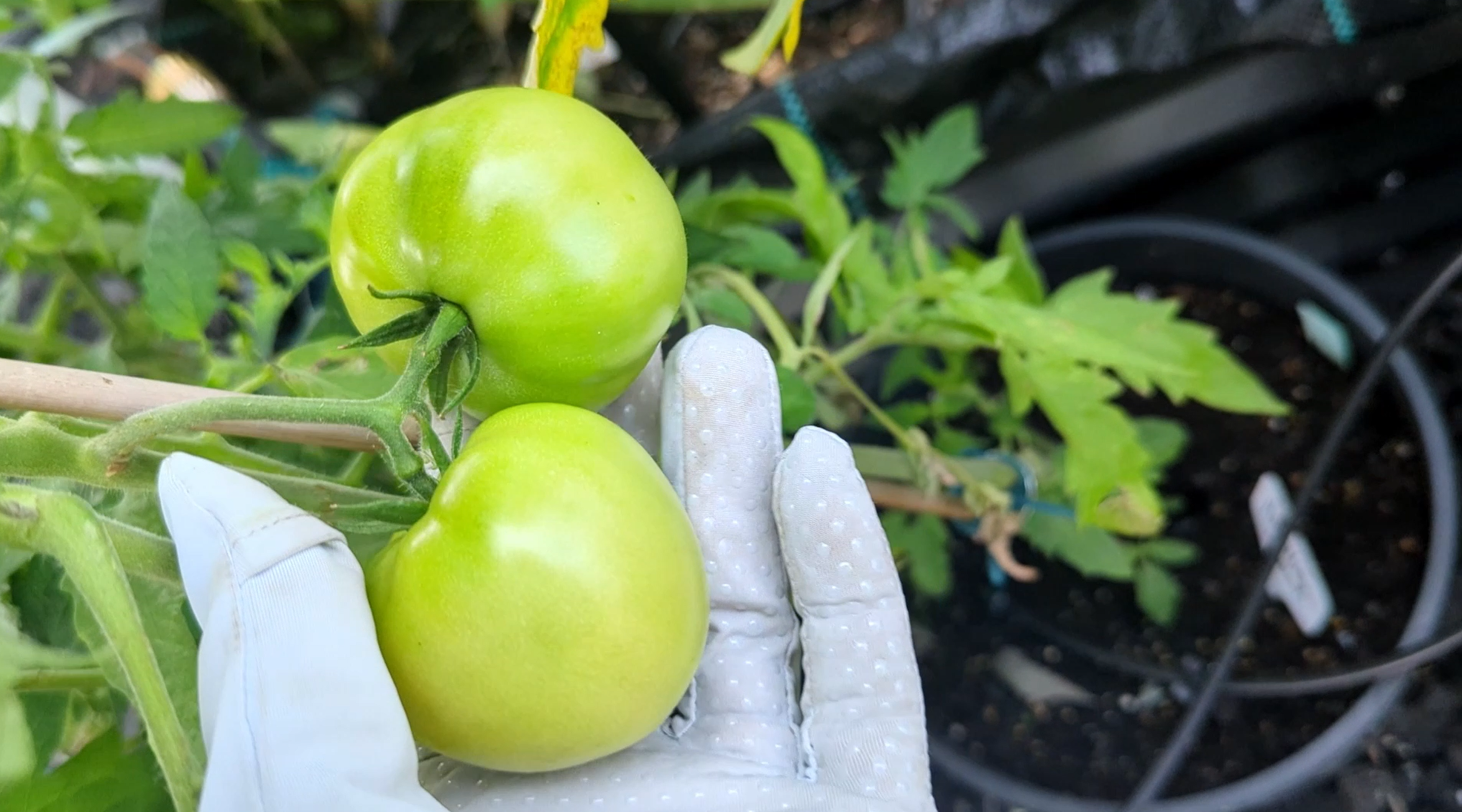
Gloved hand coupling two bright green tomatoes hanging from a tomato vine growing in a black garden container full of garden soil. Courtesy of TigreBlume.
Why Paste Tomatoes Rule My Kitchen
When it comes to processing, Pozzano and Granadero are the undisputed heavyweights in my garden. Producing substantial 4–6 oz fruits, they have thick, meaty walls, cook down effortlessly, and contain very few seeds. They are my absolute go-to for tomato sauce, pizza sauce, and fresh salsa. Best of all? The cores completely dissolve during cooking, so there's no tedious coring required. When making smooth tomato or pizza sauce, I don't even bother removing the seeds—they blend down finely during processing, which is my secret to achieving a velvety smooth texture every time.
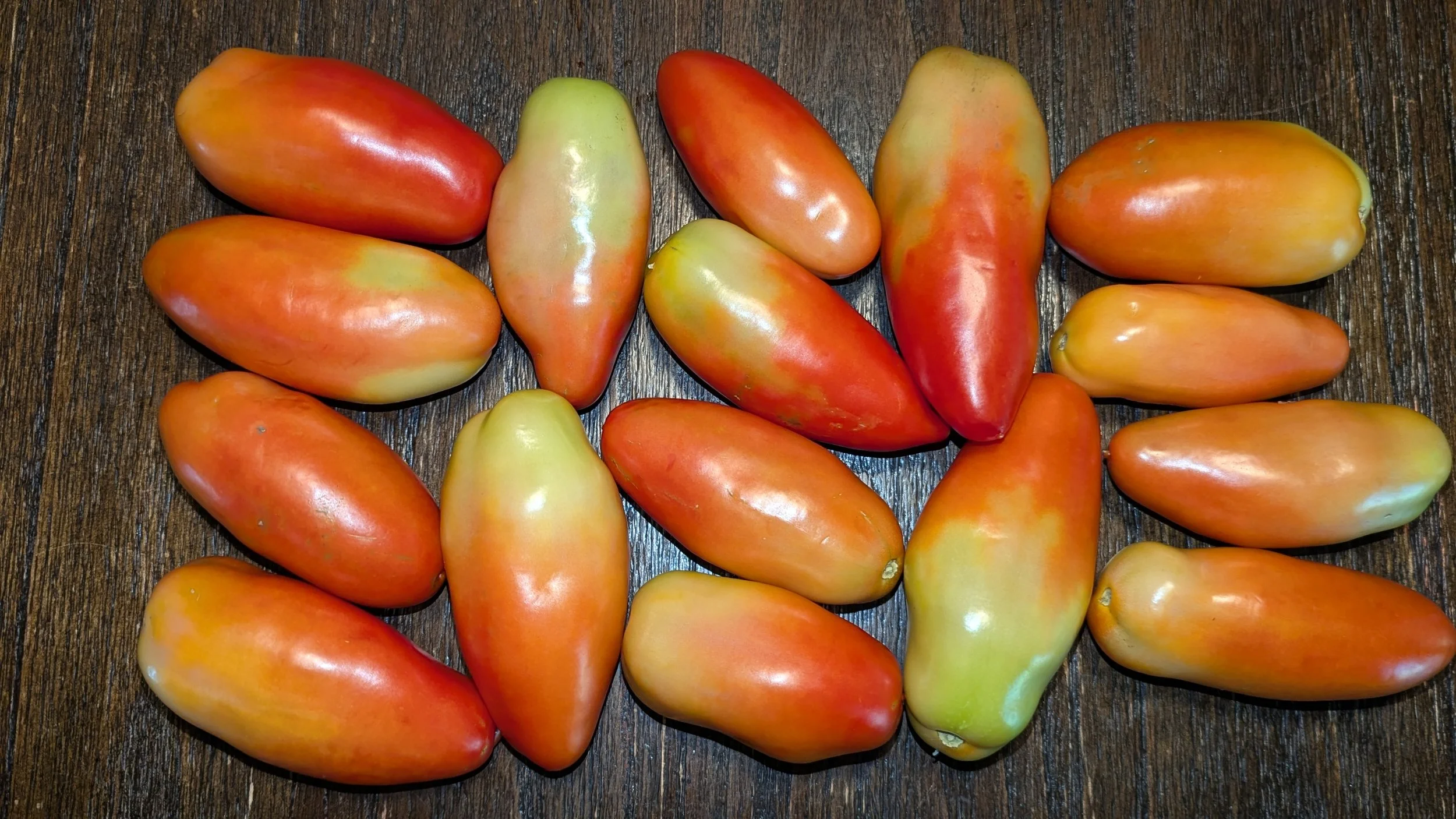
Red and green colored Pozzano paste tomatoes, harvested from the home garden, arranged on a dark brown wood table. Courtesy of TigreBlume.
While Juliet fruit is much smaller, it holds a permanent spot in my lineup thanks to its bright, zesty flavor that balances sweetness without being overly acidic. With low seed counts of their own, they are fantastic chopped fresh into summer salads or tossed into homemade salsa.
Looking Ahead to Next Season
Pozzano and Granadero will remain staples in my garden unless something even more sizable and flavorful comes along, and I don't think my garden would ever feel complete without Juliet. That said, space is always valuable!
Next season, I’m planning to drop the Verona variety and scale back on Juliet’s to clear room for a few exciting new paste tomato varieties I’ve had my eye on. I’ll be sure to share the full lineup in a future update!
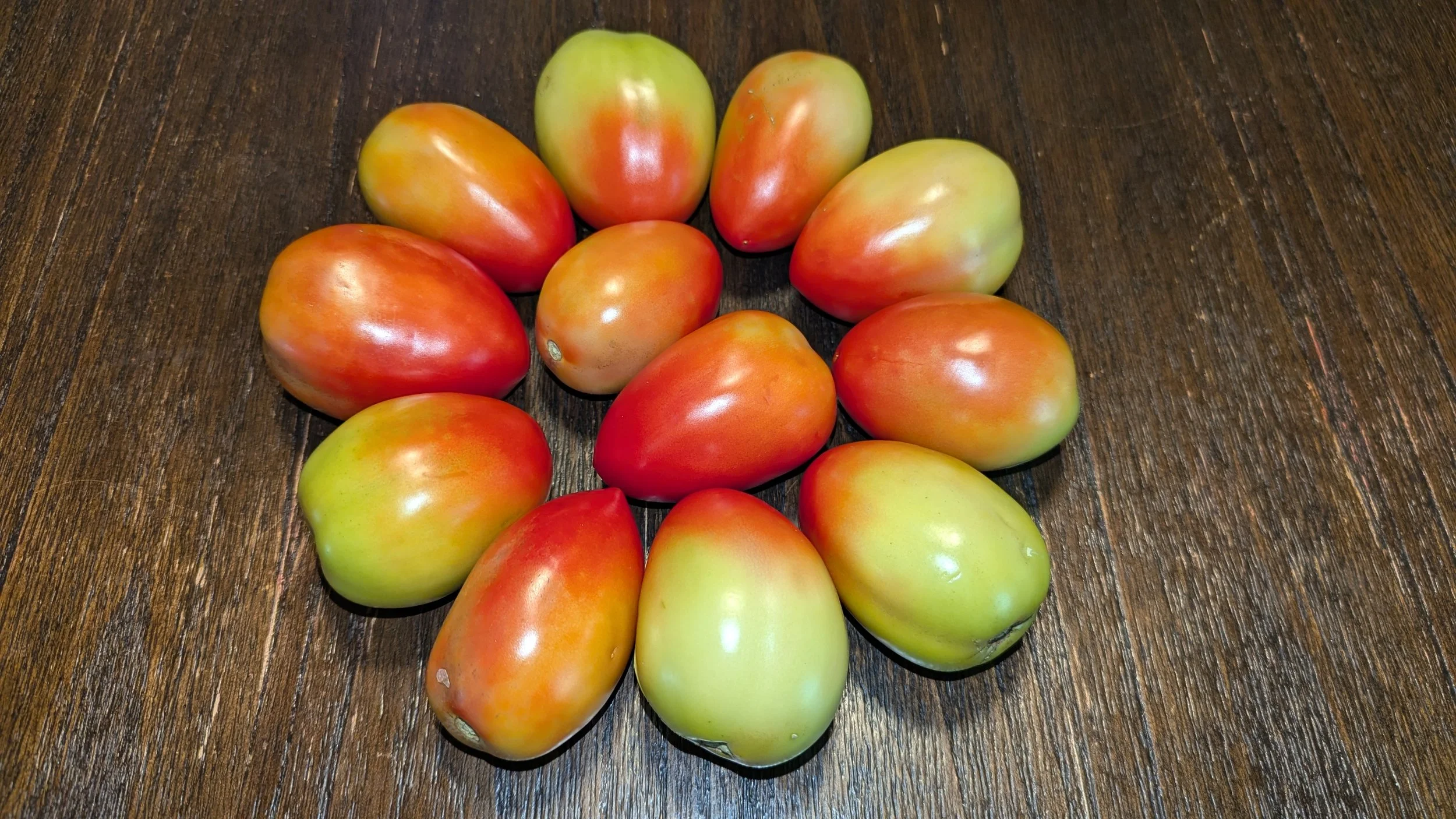
Red and green colored Granadero paste tomatoes, harvested from the home garden, arranged on a dark brown wood table. Courtesy of TigreBlume.
Are there any tomato varieties you have to grow in your space every single year? 👇Drop a comment down below and let me know your favorites!
