Paste Tomato Seasonal Checklist👇
〰️
Paste Tomato Seasonal Checklist👇 〰️
Must Grow Paste Tomatoes
By TigreBlume
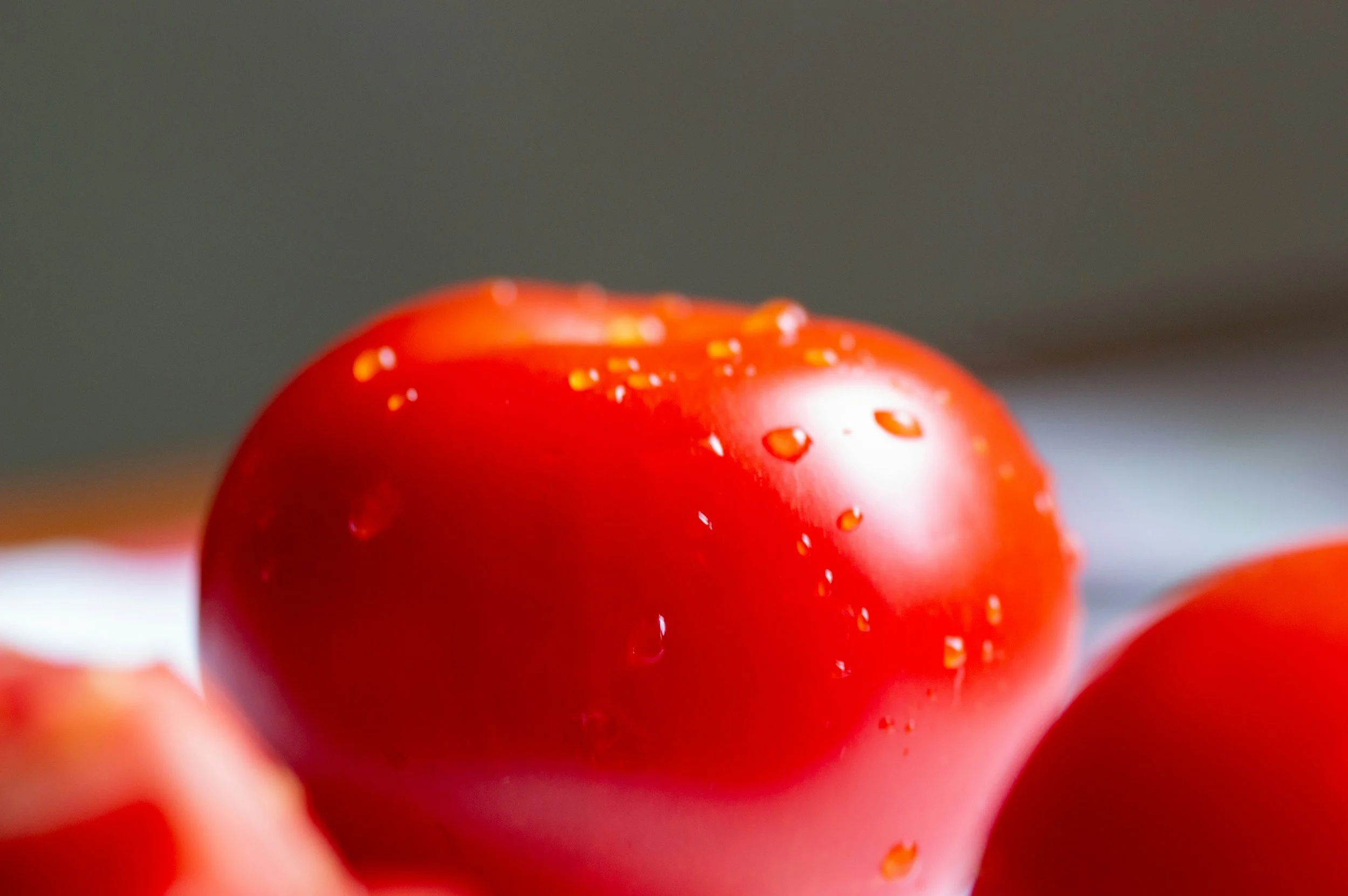
Paste tomatoes have become my all time favorite tomato to grow during the summer months. While many gardeners chase the giant, watery slices of a beefsteak, I have found my true passion in the dense, meaty heart of the paste variety. There is a singular satisfaction in watching these firm, deep-red fruits transform on the vine. They are, without question, the undisputed champion for making sauces; because they lack the excessive juice and seeds of other varieties, they cook down into a thick, velvety marinara or tomato sauce with incredible speed, concentrating their sugars into a rich depth of flavor that a standard slicer simply cannot match.
WHAT ARE PASTE TOMATOES?
If you’ve ever sliced into a classic garden tomato and watched the juice and seeds spill across the cutting board, you’ve met a slicer. But if you’ve ever wondered how chefs achieve a thick, velvety marinara that isn't watery, the secret lies in the paste tomato.
While they both belong to the same family, paste tomatoes (often called "Roma" or "Plum" tomatoes) are built for a completely different purpose in the kitchen.
The Anatomy: Meaty vs. Juicy
The most striking difference is what’s inside. A slicer tomato is like a water balloon—full of jelly-like pockets and seeds. By contrast, a paste tomato is dense and "meaty." When you cut one open, you’ll notice:
Smaller Seed Cavities: There is very little of that slippery "goo" found in standard tomatoes.
Thick Walls: The outer flesh is much thicker, giving the tomato a firm, almost solid structure.
Low Moisture: They contain significantly less water than slicer tomatoes.
The Flavor Profile
If you eat a paste tomato raw, you might find it a bit underwhelming. Because they have less juice and acid, they can taste somewhat mild or even "starchy" compared to the bright, zesty explosion of a cherry or beefsteak tomato.
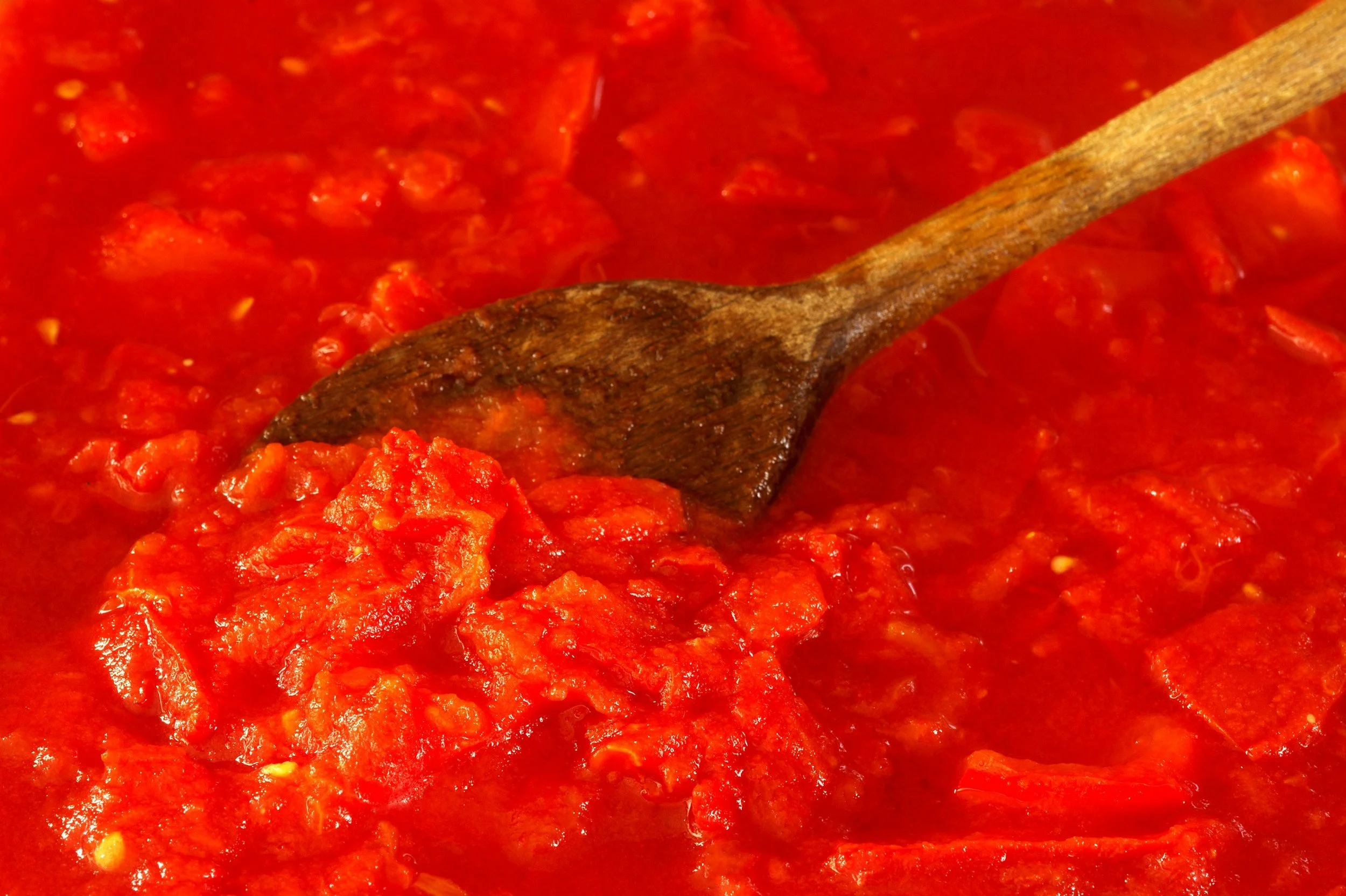
However, heat is their magic wand. When you cook a paste tomato, its high sugar and pectin content concentrate beautifully. They break down into a smooth, thick consistency without requiring hours of boiling to evaporate excess water.
Why Use Them?
Paste tomatoes are the "workhorses" of the pantry. Because they lack that extra water weight, they are the gold standard for:
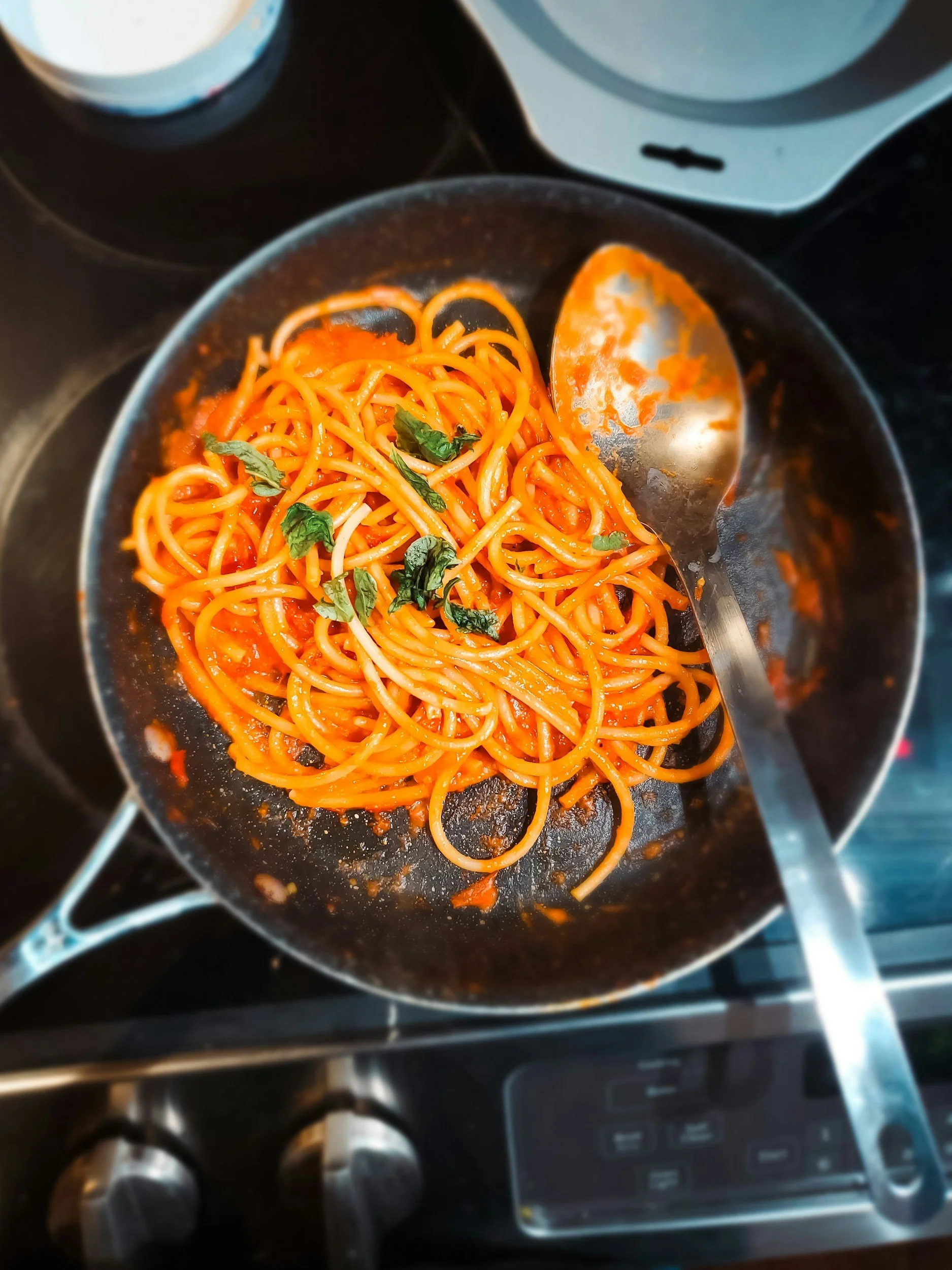
Sauces and Salsas: You get more "yield" per tomato, resulting in a thick sauce that clings to pasta.
Sun-Drying: Their low moisture content makes them ideal for dehydrating without turning into mush.
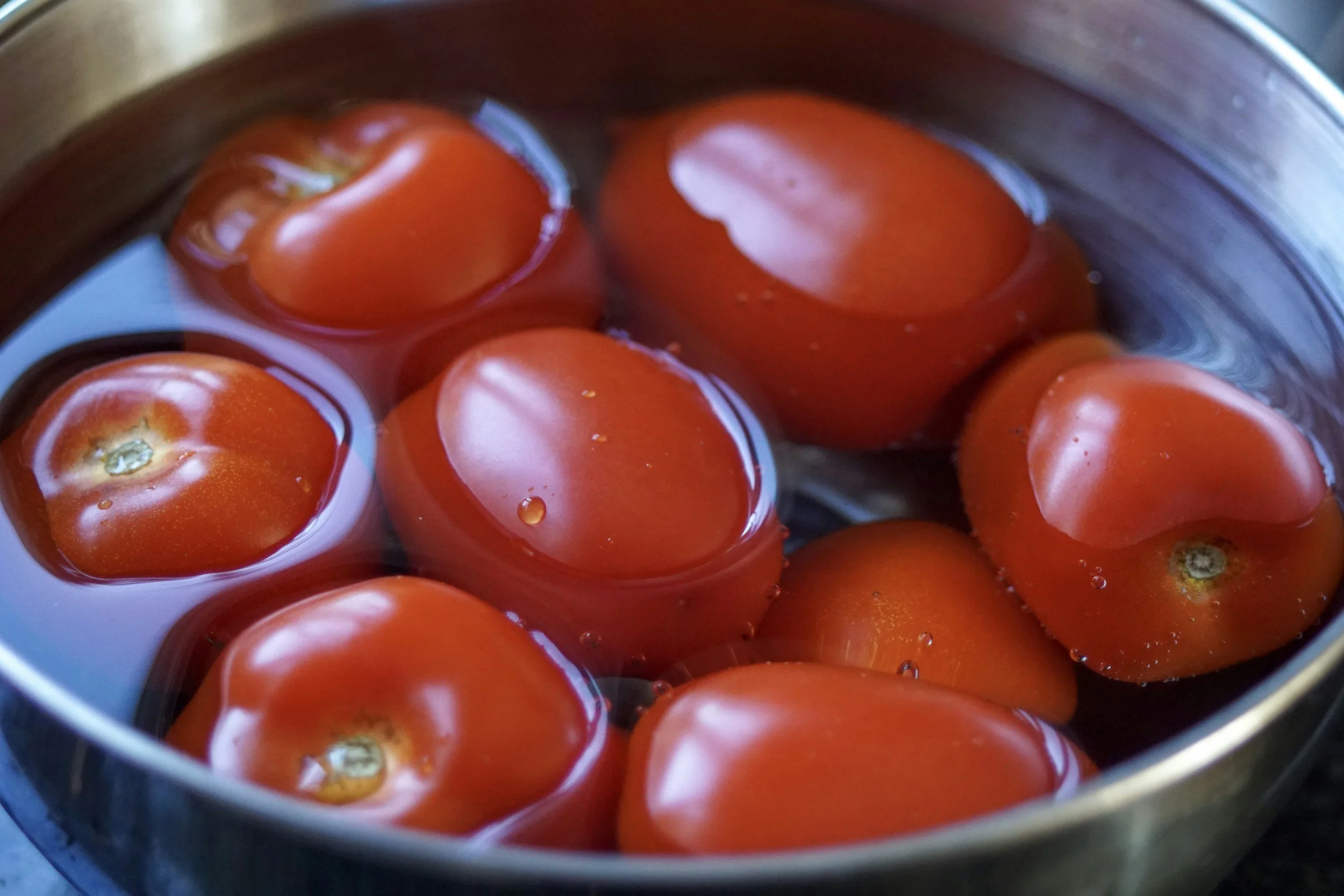
Canning: Their firm skins are easy to peel after a quick blanch, and they hold their shape well in the jar.
WHAT ARE THE BEST GROWING CONDITIONS FOR PASTE TOMATOES?
The Foundation: Deep Soil and Early Warmth
Paste tomatoes are "heavy feeders" with extensive root systems. They crave deep, loamy soil rich in organic matter (compost).
The Soil Temperature Secret: Don't rush them into the ground. While a slicer might survive a chilly spring night, paste tomatoes "sulk" in cold soil. Wait until the soil is consistently 60°F before transplanting.
The Deep Plant: When you do transplant, bury the stem deep—up to the first set of leaves. Paste tomatoes benefit immensely from the extra root growth that sprouts along the buried stem, providing a stronger anchor for heavy fruit clusters.
The Sun and Airflow Balance
To develop the sugars and pectins needed for thick sauce, paste tomatoes require at least 8 hours of direct sun.
Spacing for Health: Unlike cherry tomatoes, which can be tangled messes, paste varieties (especially heirlooms like San Marzano) are prone to foliage diseases if they get too humid. Space them 2 to 3 feet apart to ensure air can circulate through the leaves, keeping them dry and fungus-free.
The Watering Rule: Consistency is King
This is the most critical factor for paste tomatoes. Because they have thick walls and low water content, they highly prone to Blossom End Rot (BER)—a frustrating condition where the bottom of the fruit turns black and leathery.
The Cause: BER is usually caused by a calcium deficiency, but the root cause is almost always irregular watering. If the soil swings from bone-dry to soaking wet, the plant can’t transport calcium to the fruit.
The Fix: Use drip irrigation or a soaker hose. Aim for a consistent 1 to 2 inches of water per week. Mulching with straw or shredded leaves is essential; it acts like a blanket, keeping the soil moisture levels steady.
Nutrition: Low Nitrogen, High Support
If you give a paste tomato too much nitrogen, you’ll get a beautiful, giant green bush with almost no fruit.
Fertilizer: Use a balanced organic fertilizer, but lean toward those higher in phosphorus and potassium once the plant starts flowering.
Support: Most paste tomatoes are "determinate" (growing to a fixed size) or "semi-determinate." Even so, the fruit is heavy. Use sturdy cages or stakes early on to keep the fruit off the ground, which prevents rot and makes harvesting easier.
The "Canner’s Reward" Harvest
Unlike slicers, which you pick as soon as they are fully colored, paste tomatoes often benefit from sitting on the vine for an extra day or two until they are deep red and slightly soft to the touch. This is when the acid drops and the sugars peak, giving you that "vine-ripened" flavor that makes homemade sauce world-class.
The Paste Tomato Seasonal Checklist
To help you stay on top of the growing season, here is a month-by-month checklist for a successful paste tomato harvest.
Note: This timeline assumes a standard frost-free date in May. If you live in a warmer or cooler climate, shift these dates based on your local "Last Frost" date.
March – April: The Starting Line
[ ] Select Varieties: Choose your seeds. Look for "Determinate" types (like Roma) for a big, all-at-once harvest, or "Indeterminate" (like San Marzano) for a steady supply all summer.
[ ] Seed Starting: Start seeds indoors 6 to 8 weeks before the last frost. Use a heating mat if possible; tomato seeds germinate best at 70°F–80°F.
[ ] Light Management: Once they sprout, ensure they have 12–14 hours of strong light so they don’t get "leggy" (tall and weak).
May: The Transition
[ ] Hardening Off: Spend 7–10 days slowly introducing your plants to the outdoors—start with an hour in the shade and work up to a full day in the sun.
[ ] Prepare the Bed: Mix 2–3 inches of compost into the soil. Avoid high-nitrogen fertilizers now, or you’ll get all leaves and no fruit.
[ ] Transplanting: Plant on a cloudy day. Bury the stems deep (up to the first leaves) and install your cages or stakes immediately to avoid damaging roots later.
June: The Growth Spurt
[ ] Mulching: Once the soil has warmed up, apply a thick layer of straw or wood chips to regulate moisture and prevent Blossom End Rot.
[ ] Consistent Watering: Set up a schedule. Deep watering twice a week is better than a light sprinkle every day.
[ ] Pruning: If growing indeterminate types, pinch off the "suckers" (the small shoots growing in the "V" between the main stem and a branch) to improve airflow.
July: Fruit Development
[ ] Monitor for Pests: Keep an eye out for Tomato Hornworms (large green caterpillars) and aphids.
[ ] Feed the Fruit: Once the first tiny green tomatoes appear, give the plants a "side-dressing" of compost tea or a low-nitrogen, high-potassium organic fertilizer.
[ ] Disease Check: Look for yellowing leaves at the bottom of the plant. Snip these off to prevent soil-borne diseases from climbing up the plant.
August – September: The Big Payoff
[ ] The Patience Test: Wait for the tomatoes to turn a deep, uniform red. For paste tomatoes, you want them to feel slightly "give" when squeezed—this means the pectins have broken down for sauce.
[ ] Early Morning Harvest: Pick your tomatoes in the morning when they are at their firmest and coolest.
[ ] The "Dry Down": If a heavy rainstorm is coming, pick all nearly-ripe fruit to prevent them from cracking/splitting due to a sudden intake of water.
October: Clean Up
[ ] Disease Prevention: Remove all spent vines from the garden. Do not compost them if they showed signs of blight or fungus; trash them instead to keep next year's soil clean.
Check out the photo gallery below for all the paste tomato varieties I’ll be growing in 2026!
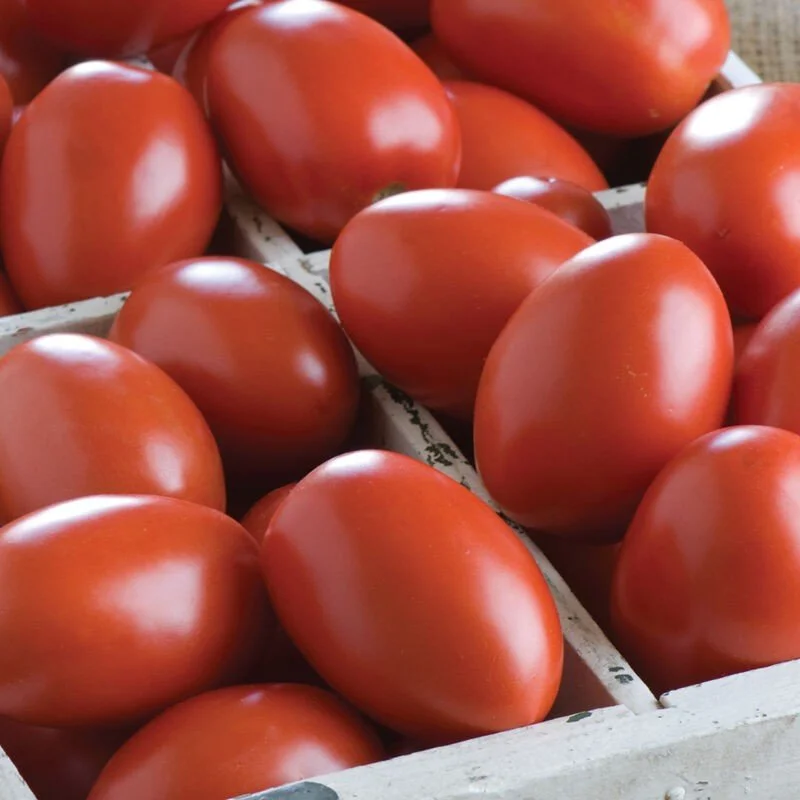
Granadero Organic (F1) Paste Tomato (67 Days to Maturity) - 4-5 oz. fruit
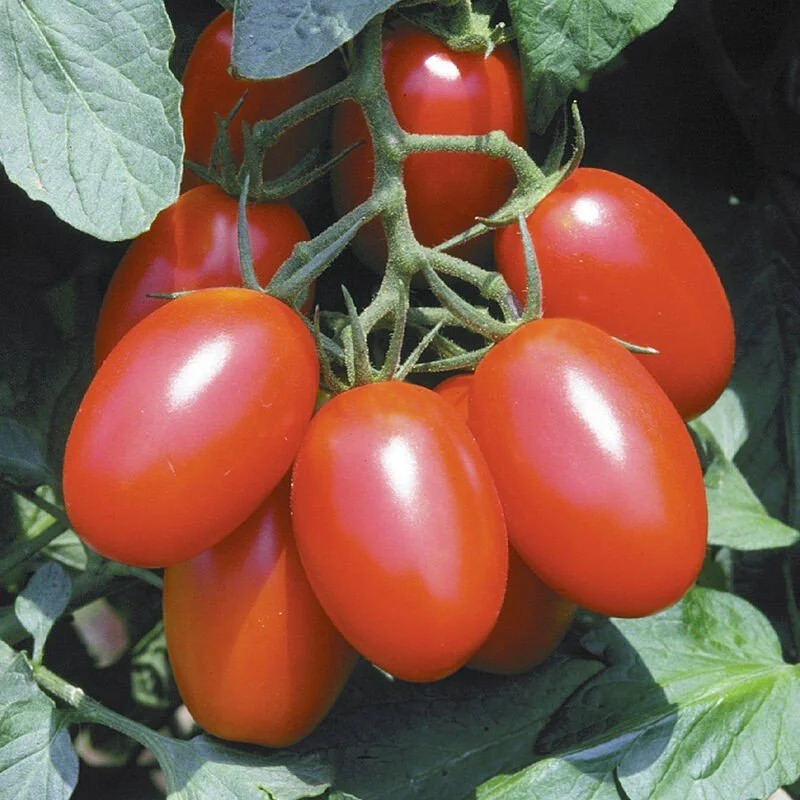
Juliet(F1) Paste Tomato (60 Days to Maturity) - 1.5 to 2 oz. fruit
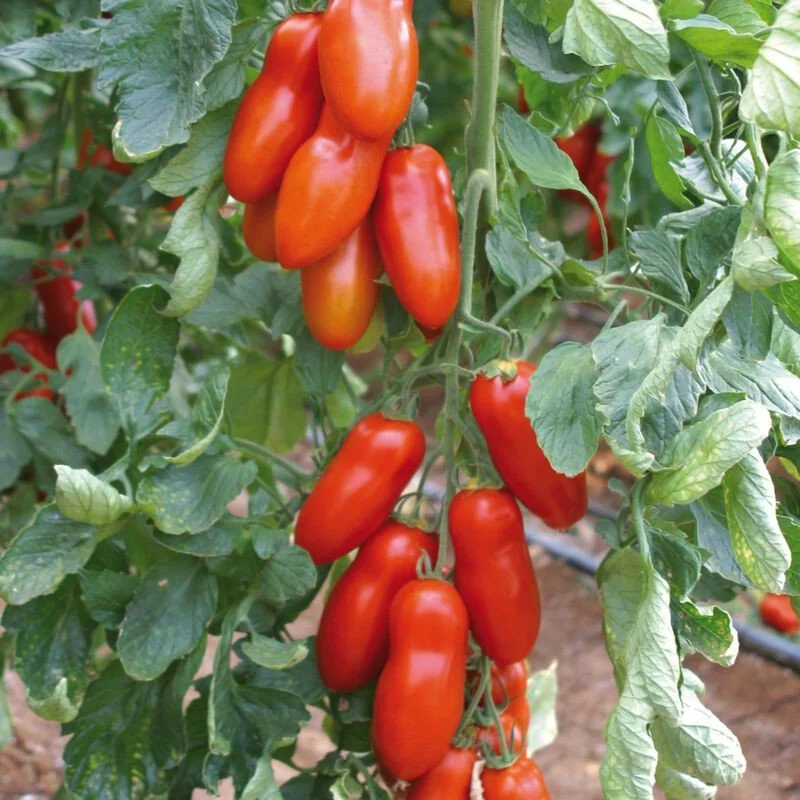
Pozzano Organic (F1) Paste Tomato (72 Days to Maturity) - 4-6 oz. fruit
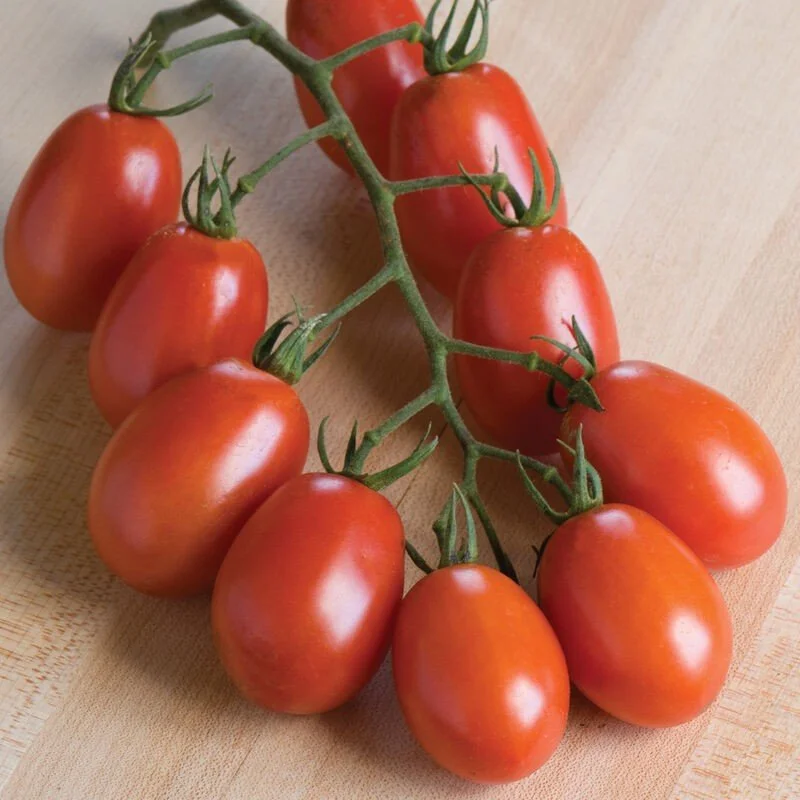
Verona Organic (F1) Paste Tomato (67 Days to Maturity) - 2.5 oz. fruit