What You Can Direct Sow in The Month of February
By TigreBlume
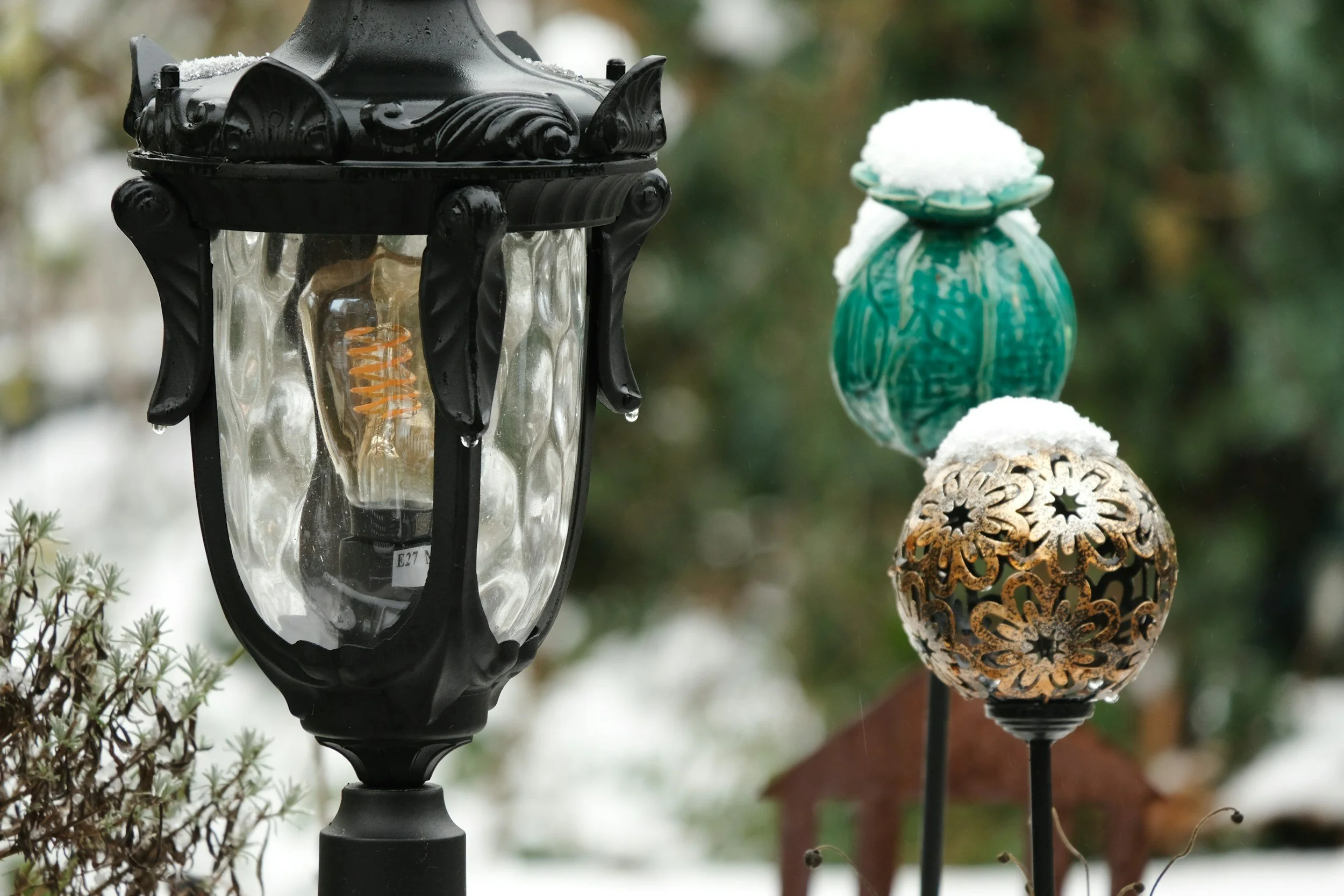
During the month of February, gardeners in Zones 3-6 are primarily focused on indoor seed starting. However, hardy, cool-season crops can be direct sown in late February in warmer zones if the soil is workable.
Here is a breakdown of common vegetables, herbs and flowers you can direct sow in February by USDA zone:
Zones 3–6 (Cool Climate Zones)
In these zones, the soil is typically still frozen, making true direct sowing impossible. Gardeners living in these zones are advised to prioritize indoor starting or winter sowing techniques.
Direct Sowing (Late Feb, especially Zone 6):
Vegetables: Radishes, Spinach, Peas, Kale, and Arugula.
Flowers: Hardy annuals like Poppies and Calendula
Indoor Sowing:
Vegetables: Onions, Leeks, Celery, Broccoli, Kale, Peppers, Tomatoes
Herbs (with grow lights): Basil, Chives, Parsley,
Slow Growing Flowers: Pansies, Petunias, Geraniums
Winter Sowing (Outdoor in Milk Jugs or Zip Lock Storage Bags): Spinach, Kale, Collard Greens, Arugula, Mustard Greens, Lettuce, Radish, Carrots, Poppies, Sweat Peas, Snapdragons, Pansies, Coneflower (Echinacea), Milkweed, Lupine, Rudbeckia, Lavender, Parsley, Sage
Zones 7–8 (The Mild Winter Zones)
In February, gardeners in zones 7-8 can direct sow hardy, cool-season vegetables, provided the soil is not frozen.
Vegetables:
Leafy Greens: Spinach, Kale, Collards Greens, Arugula, Swiss Chard, Mustard Greens, Asian Greens (Pak Choy, Bok Choy, Tatsoi)
Root Veggies: Carrots, Radishes, Beets, Turnips, Parsnips
Brassicas: Broccoli, Cabbage, Kohlrabi
Alliums: Onion sets, Shallots, Bunching Onions
Legumes: Peas (snap and shelling)
Herbs: Chives, Dill, Parsley, Cilantro, Chamomile, Lavender, Anise Hyssop, Oregano, Marjoram, Sage, Thyme
Flowers: Poppies, Coneflower (Echinacea), Sweet Peas, Larkspur, Nigella, Delphinium
Zones 9–11 (The Warm South)
In February, zones 9-11 can directly sow a wide variety of cool-season crops, root vegetables, and herbs, while warmer zone 10 and 11 areas can begin planting some summer vegetables.
Vegetables
Leafy Greens: Lettuce, Spinach, Kale, Arugula, Collards, Swiss Chard, Mustard Greens, Asian Greens (Bok Choy, Pak Choy), Tarragon, Sorrel
Root Veggies: Carrots, Radishes, Beets, Turnips, Parsnips, Kohlrabi, Potatoes
Alliums: Onion sets, Leeks, Softneck Garlic.
Legumes: Peas (snow, snap, english).
Herbs: Parsley, Cilantro, Dill, Fennel, Basil, Oregano, Thyme, Sage, Rosemary, Mint, and Lavender
Flowers: Sunflowers, Zinnias, Marigolds, Snapdragons, Nasturtiums, Pansies, Violas, Dianthus, Lobelia, Strawflower, Calendula, Sweet peas, Wildflowers (such as lupine and yarrow), Echinacea (Coneflower)
*Zone 10-11: If chance of frost has passed, can also direct sow early cucumbers, beans, and summer squash.