While the world outside is still tucked under a blanket of frost, my indoor grow station is officially coming to life. There is something incredibly therapeutic about pressing a seed into the soil while the January wind howls against the window. Following the seed-starting schedule I mapped out, I’m officially kicking off the season by sowing the varieties that need that extra head start. Here is exactly what’s hitting the trays this month to ensure a lush, vibrant garden come spring.What I’m Sowing Indoors In January
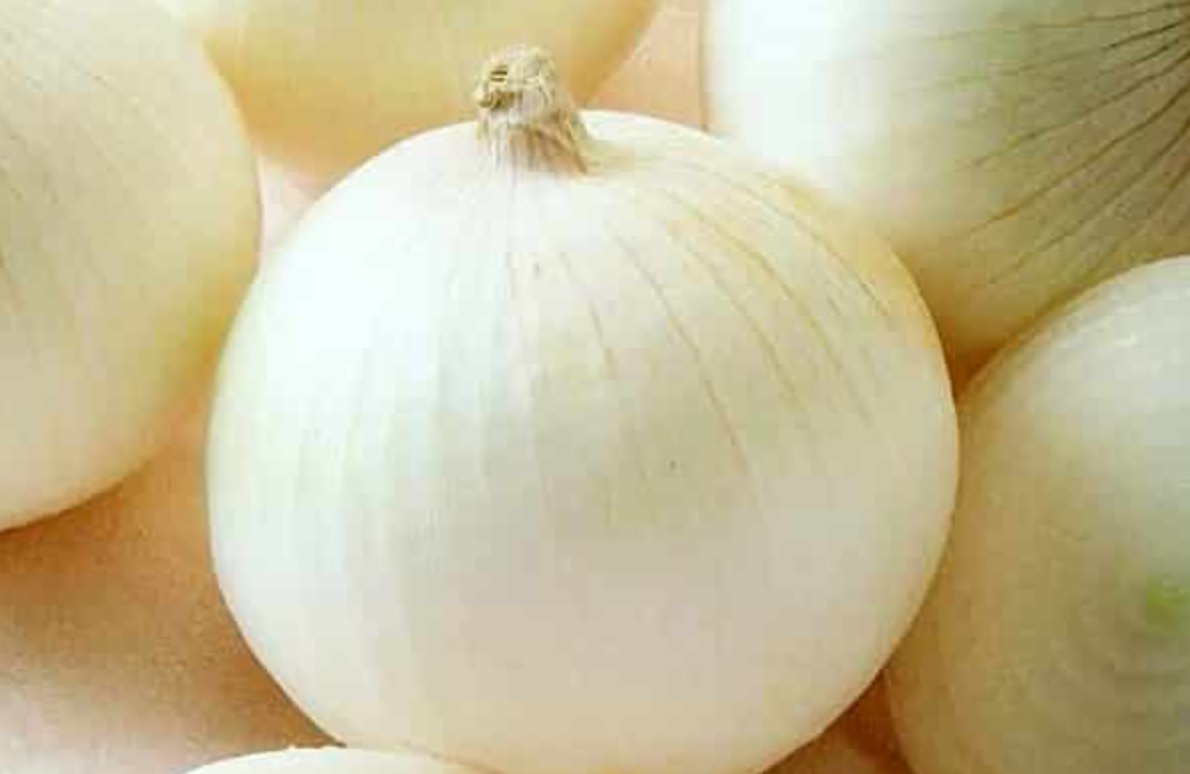
Onions: Onions are the ultimate "marathon" crop. Because they take quite a while to develop sturdy bulbs, starting them from seed in January is a game-changer. Right now, they’ll just look like delicate little blades of grass under the grow lights, but this early start ensures they have the root strength they need to hit the ground running as soon as the soil is workable. *** This year, I'm growing a mix of white and yellow onions. *** Seed sowing tips: Sow no deeper than 1/4 inches. Sow multiple seeds per cell/tray - this saves massive amounts of space on your heat mats and under your lights during these early months. Use a heat mat to keep the soil around 70°F–75°F for germination - once they sprout, move them off the heat. Onions grow best in cooler air (around 60°F) once they’ve germinated. Keep your grow lights on for 12–14 hours, but no more than 14.
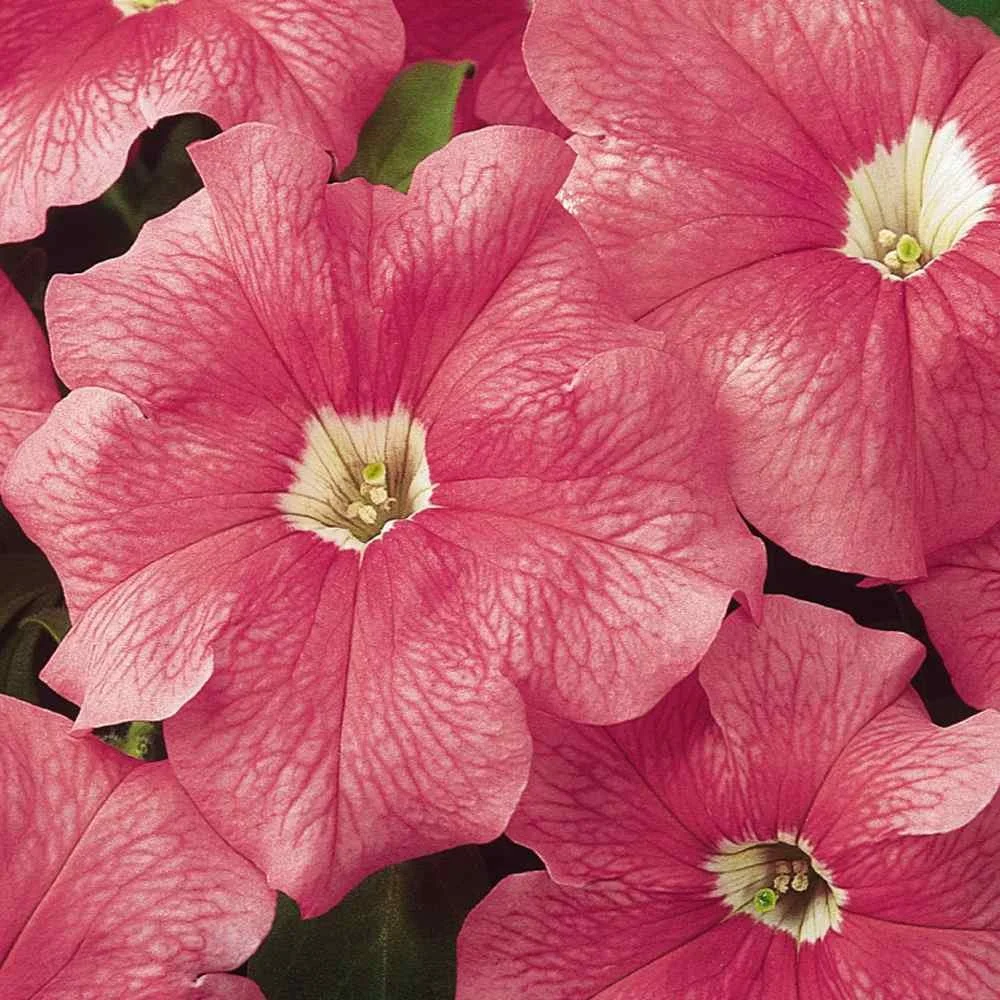
Petunias: If you want those iconic cascades of color in your hanging baskets or window boxes by May, you have to start them now. Petunia seeds are tiny—almost like dust—and they take their sweet time to grow into the lush, flowering beauties we've come to love. Starting them in January gives them the 10–12 weeks of "indoor summer" they need to reach blooming size before they ever face the outdoor elements. *** This year, I'm growing three different varieties of petunias--providing a lovely palette of light pink, deep pink and pastel yellow flower petals! *** Seed sowing tips: Surface sow and place on heat mat and under grow lights for best germination. Once they sprout, remove from heat and keep close to the light (2-3 inches) to prevent seedlings from getting leggy. To save space - sow multiple seeds per cell and separate once they achieve a few inches of growth.
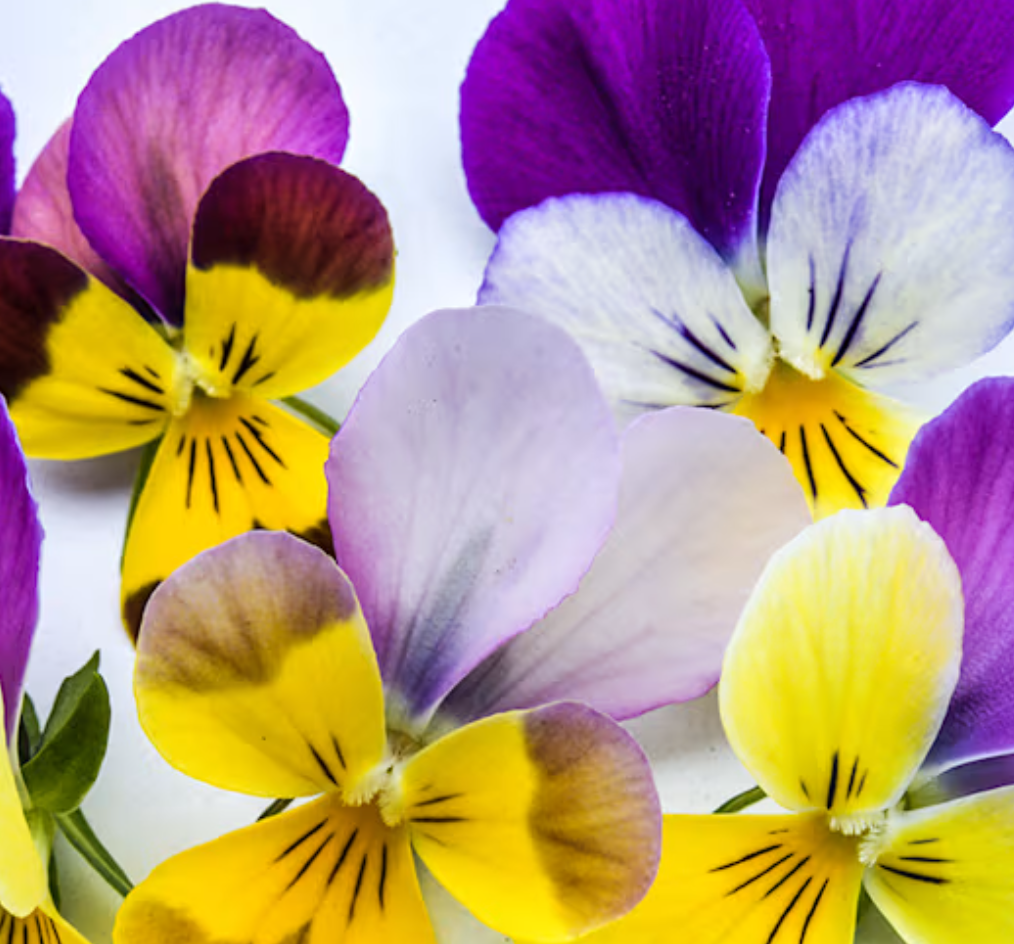
Pansy: Pansies are the tough cookies of the flower world. Since they actually prefer cooler weather, I start them now so they are mature enough to go outside while there’s still a crisp bite in the air. There is nothing quite like seeing their "smiling faces" peering out of a pot in early spring when the rest of the garden is still waking up. *** This year, I'm growing a bright golden yellow variety of pansy. *** Seed sowing tips: Surface sow, keep in cool location (60-65 degrees F), and cover with a cloth to simulate darkness for best germination. Once they sprout, remove cloth and place under grow lights (keep them as close to the light as possible (2-3 inches) to prevent seedlings from getting leggy). To save space - sow multiple seeds per cell and separate once they achieve a few inches of growth.
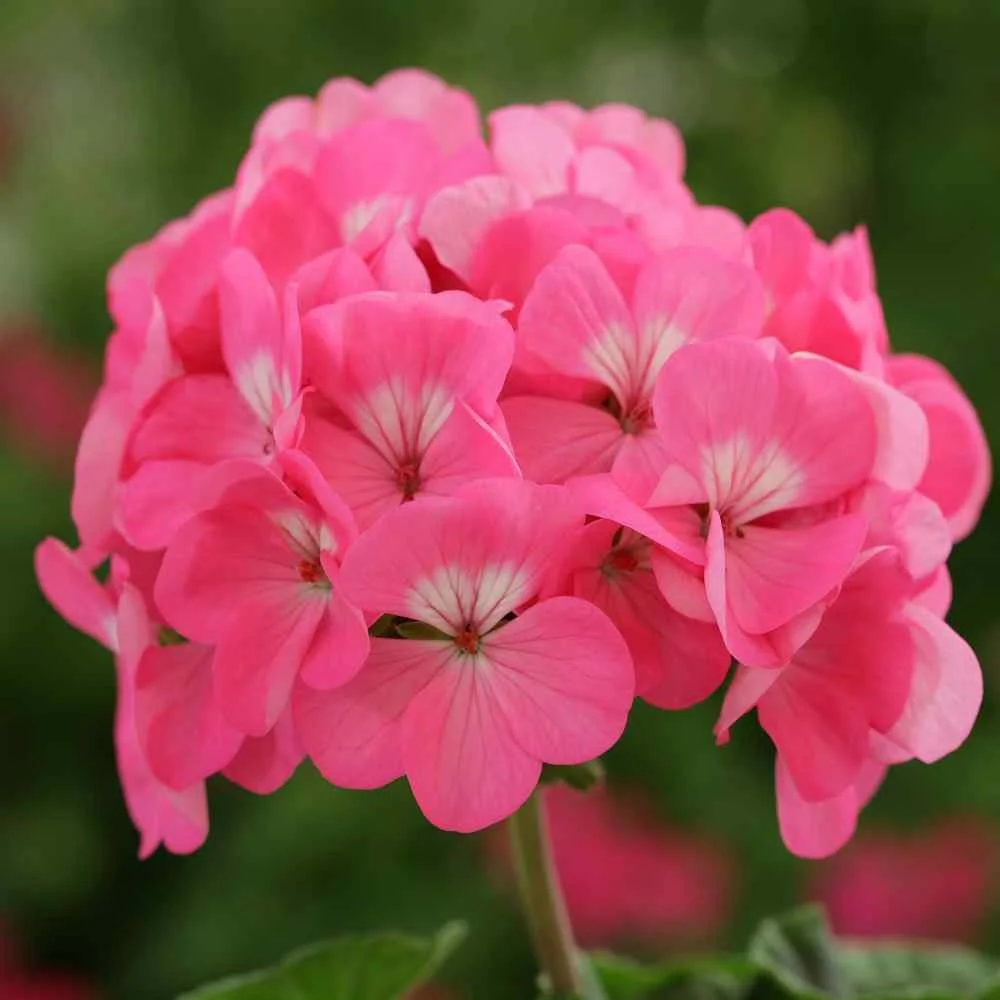
Geraniums: While many people buy geraniums as established plants, there is something incredibly rewarding about growing them from seed. They are notorious slow-growers in their infancy, requiring a solid four months to reach their full, bushy potential. By sowing them in January, I’m ensuring I’ll have those classic, vibrant clusters of flowers ready for my patio containers the moment the frost danger passes. *** This year, I'm growing rose pink and lavender colored varieties. *** Seed sowing tips: Sow 1/4" deep and place on heat mat for best germination. Once they sprout, remove from heat and place under grow lights (keep as close to the light as possible (2-3 inches) to prevent seedlings from getting leggy). To save space - sow multiple seeds per cell and separate once they achieve a few inches of growth.
Quick Tips for Your January Sowing:
Bottom Heat: Geraniums and Petunias especially love a heat mat to get those seeds germinating.
Light is Life: Since January days are short, keep your grow lights about 2–3 inches above your seedlings to prevent them from getting "leggy."
Patience is Key: Don't be discouraged if these take a week or two to pop up; they're worth the wait!