Understanding Plant Hardiness Zones
By TigreBlume
Hardiness Zones are a standard developed to help gardeners determine a plant's ability to survive the lowest winter temperatures in a specific region. Each zone corresponds to an average minimum winter temperature range (e.g., a US Zone 6 plant can tolerate lows between 0°F and -10°F).
Essentially, hardiness zones match plants to the appropriate climate, helping you avoid frost damage and increase the chances of a successful harvest of food, herbs, or flowers.
While the standard was originally designed for perennial plants (those that live for more than two years), it can also be a helpful guideline for growing annuals.
My own experience serves as a great example: I often struggled to successfully overwinter herbs like lavender until I realized my climate's zone was too cold for those varieties. Knowing the hardiness zone helps ensure you "do better" by selecting plants suitable for your region.
How to Use Hardiness Zones for Planting Decisions
The hardiness zone guides your plant selection based on your region's lowest winter temperature.
For Perennial Success: If the plant's zone rating indicates it can tolerate your winter lows, it is considered “hardy” for your area and should return reliably each season, provided other growing conditions are met.
The Annual Option: If you want to grow a plant that is not hardy (cannot survive your winter lows), you can grow it as an annual. This means you accept that it will not survive the winter and will need to be replanted the following year.
Providing Protection: Alternatively, you can attempt to save a non-hardy plant by overwintering it. This requires providing significant cold protection, such as moving it into an insulated structure (like a greenhouse, shed, or garage) or bringing it indoors.
To use the Hardiness Zone standard, compare your region's zone rating with the plant's zone rating.
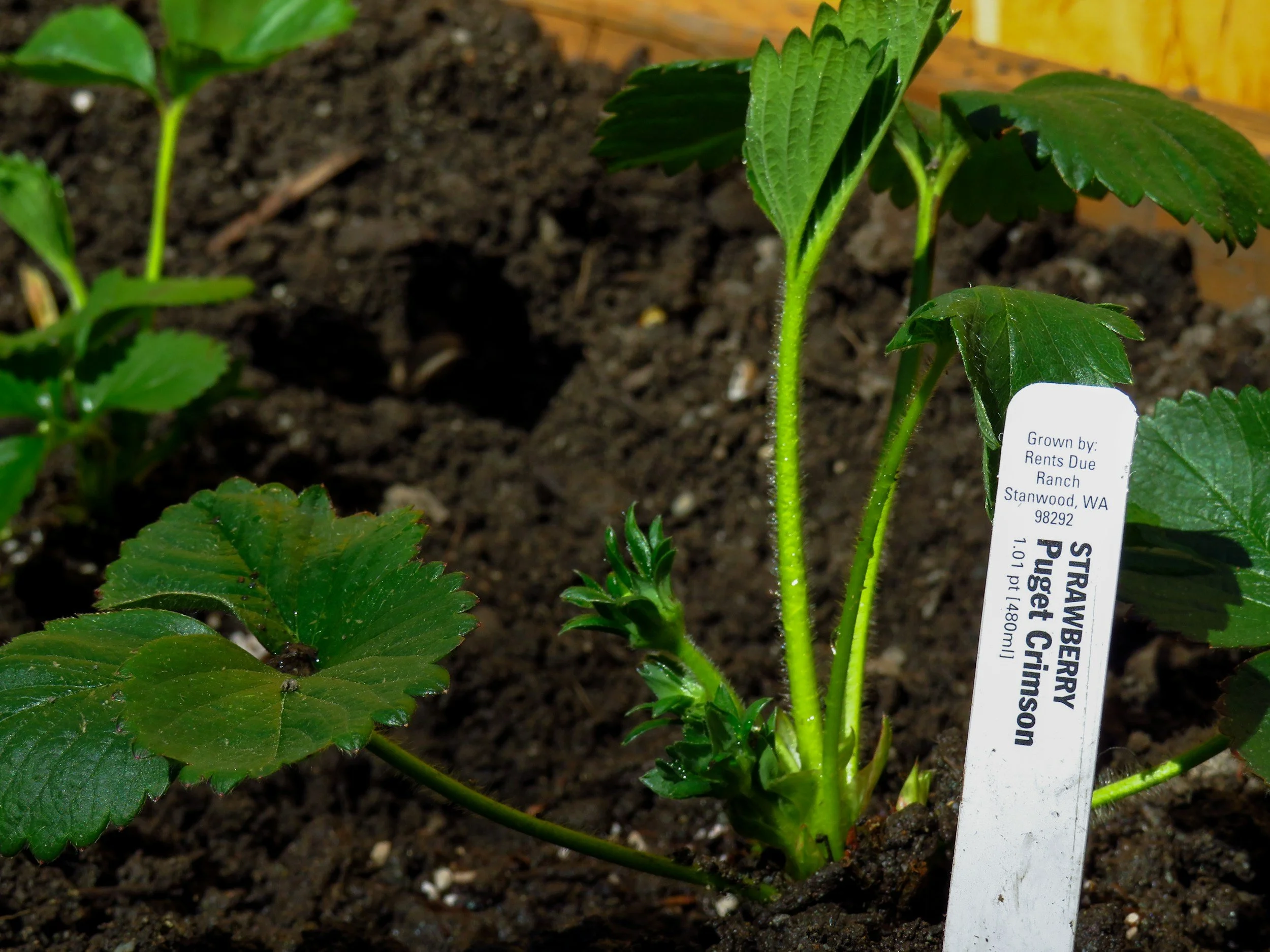
Plant Purchases: When you purchase a plant from the nursery, you can usually find the plant’s zone rating on the plant tag or label that accompanies your plant (tucked in the nursery pot or affixed to the side of the pot). You can also look for the phrase “hardy to…” followed by a temperature.
Seed Purchases: When you purchase a packet of seeds from a brick and mortar or online retailer/seed company, you may find the plant’s zone rating on the back of the seed packet (this is a rare practice for many seed companies). Alternatively, you can visit the seed company’s website or do a general online search to find the plant’s zone rating. You may need to perform the lookup using the scientific name of the plant; in case there are multiple species or varieties in circulation.
Let's look at an example using a temperature threshold:
If a plant tag indicates the plant is hardy down to 30°F, this is its survival limit. It likely won't survive temperatures below this (e.g., 25°F or lower), especially if the cold spell lasts for several consecutive days.
This plant is excellent for growing during warm weather. However, if your region experiences cold dips below 30°F for a sustained period, you can expect the plant to die back.
I face this exact reality with my petunias every year. When the sunlight fades and the weather cools, I cringe watching them die back. Despite countless attempts to cover and protect them from the frost, they simply can't survive the freezing temperatures of my region. Now, I accept their fate; the 5-6 months of bright, beautiful color they provide make the yearly sacrifice worth it.
Beyond Hardiness: Other Considerations
While plant hardiness remains, in my opinion, one of the single most crucial factors for successful gardening, it's not the only element to consider. To truly ensure success in your growing space, you must also evaluate several other vital factors.
Light Intensity
It is crucial to observe and assess the specific light intensity of your growing space. While a plant might require "six hours of full sun," this doesn't mean any six hours will do.
The intense afternoon sun is typically the harshest, putting significant stress on many plants and potentially hindering growth and productivity. Some plants perform much better with the less intense energy provided by morning sun.
Pay special attention to the timing of the light when deciding where to place your plants. I have personally lost many plants to afternoon sun scorch; sometimes you can reverse the resulting stress from the intense afternoon sun but often, the damage is too great to reverse.
Humidity
Humidity, often described as how "muggy" or "damp" the air feels, is a crucial environmental factor often confused with heat or sun exposure.
Humidity directly affects a plant's ability to regulate water release and efficiently absorb nutrients from the soil and air.
High levels can lead to plant stress and an increased risk of disease and mildew.
To manage high humidity, which is easily monitored via weather apps, focus on two key actions:
Space Plants Out: Ensure good airflow around the foliage.
Water Deeply: Encourage the plant to draw nutrients from the soil rather than relying solely on the moisture in the air.
Rainfall
Aligning your plant selection with your region’s average rainfall is key to avoiding major issues like root rot (caused by too much water) or plant stress and wilting (caused by too little water).
If you choose a water-loving plant for a dry area, you must commit to frequent supplemental watering. Conversely, a dry-tolerant plant will thrive in an arid climate, requiring only a minimum amount of water to thrive.
Soil Conditions
The quickest way to undermine a plant's health is to place it in the wrong soil. The soil you choose is the foundation that dictates everything from nutrient and water access to root health and overall plant vigor.
Successful gardening hinges on matching a plant to its ideal soil conditions. This involves considering:
Soil Type: Is it sandy, clay, or loamy? Each type offers different drainage and retention qualities.
Soil Chemistry: What is the pH level (acidity/alkalinity)?
Soil Structure: Is there proper drainage and adequate moisture retention?
Ignoring these factors will severely limit a plant's ability to thrive.
Microclimate
Have you ever noticed that one corner of your yard or the sunny side of your house stays a few degrees warmer than the rest? That difference is due to a microclimate—a small, localized area where the climate differs from the general surrounding region.
Microclimates are created by local factors that influence temperature, wind, and moisture:
Heat Sources: Paved areas or buildings that absorb and release heat.
Windbreaks: Fences or dense vegetation that reduce wind chill.
Water Bodies: Pools or ponds that moderate temperature.
Identifying these spots is a powerful gardening tool. A warm, sheltered microclimate can allow you to successfully grow less hardy plants, while a cool, shady, or moist microclimate offers ideal conditions for plants suited to those unique features, effectively "stretching" your zone.
FAQs
What is a plant hardiness zone?
A plant hardiness zone is a geographic area defined by the US Department of Agriculture, based on the average lowest winter temperatures. It indicates the coldest temperatures a plant can survive.
It was updated in 2023 to account for climate change, recent data and improved mapping technology (for more accurate zone placement). As a result, half of the country shifted to a warmer zone, with many moving up by as much as a half zone.
You can find it here: https://planthardiness.ars.usda.gov/.
It is important to note that hardiness zones do not fully capture the effects of rainfall, day length, humidity or summer heat – which are also important factors to consider.
Is “plant hardiness zone” the same as a “gardening zone”?
Yes, gardening zone and plant hardiness zone refer to the same standard or system.
Do hardiness zones exist outside the US:
Yes, many nations like Mexico, Canada, Australia, UK and other parts of Europe have their own version or variations of the USDA standard to account for other conditions, such as wind, humidity, summer heat, rainfall, and more.
Sources:
US Department of Agriculture
National Resources Canada
Australian National Botanic Gardens
The Royal Horticulture Society (RHS)
Britannica
National Environmental Satellite Data and Information Service