What I Did Differently This Year With My Pepper Plants
By TigreBlume
Growing my own peppers has easily become one of the most satisfying and rewarding experiences in my garden. Not only can I grow a year’s supply of peppers for a fraction of what it would cost at the local grocery store, but I also get to cultivate whatever unique varieties my heart (and my tummy) desires. They are one of the absolute easiest crops to start from seed, and aside from the endless hours spent nurturing them indoors during the winter, they are incredibly low-maintenance once they hit their permanent outdoor homes.
I’ve been growing a mix of sweet, mild, and spicy peppers for several years now, and my routine has always been a well-oiled machine:
Step 1: Map out the must-have varieties for the season.
Step 2: Start seeds indoors 10–12 weeks before the last frost date.
Step 3: Pot them up into larger containers once they show a few sets of true leaves.
Step 4: Top or pinch them back to encourage bushier growth.
Step 5: Harden them off for 7–10 days once nighttime temperatures stay consistently above 55–60°F.
Step 6: Transplant into garden beds or containers, stay consistent with water and fertilizer, and watch them grow!
It’s a playbook that has served me well. But this year, I decided to break my own rules and make one major change to my routine: I completely refrained from topping or pinching my pepper plants.
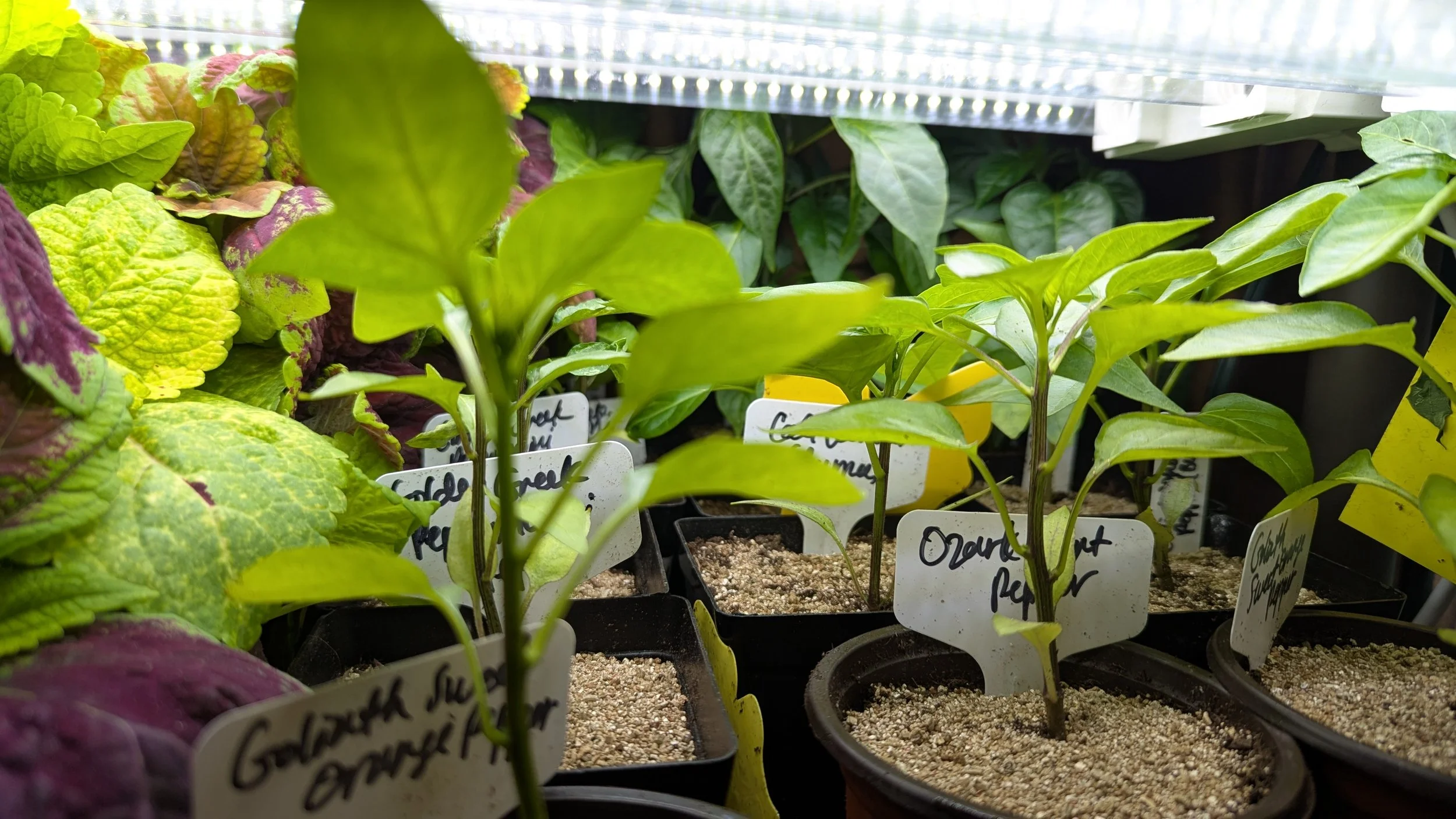
Pepper seedling plants in nursery pots on indoor grow shelf. Courtesy of TigreBlume.
The "Why" Behind the Change
In prior years, I noticed a frustrating trend: my pepper plants were incredibly slow to start producing flowers and setting fruit. While they ultimately ended up being very productive, I found myself waiting until very late in the summer to harvest mature, full-sized peppers.
When you have a relatively short growing season, every week counts. I reached a point where I was willing to try anything to accelerate production and maximize my harvest window. The theory behind not topping is that the plant doesn't have to expend precious time and energy repairing itself and generating new split branches; instead, it can focus entirely on vertical growth and early fruit production.
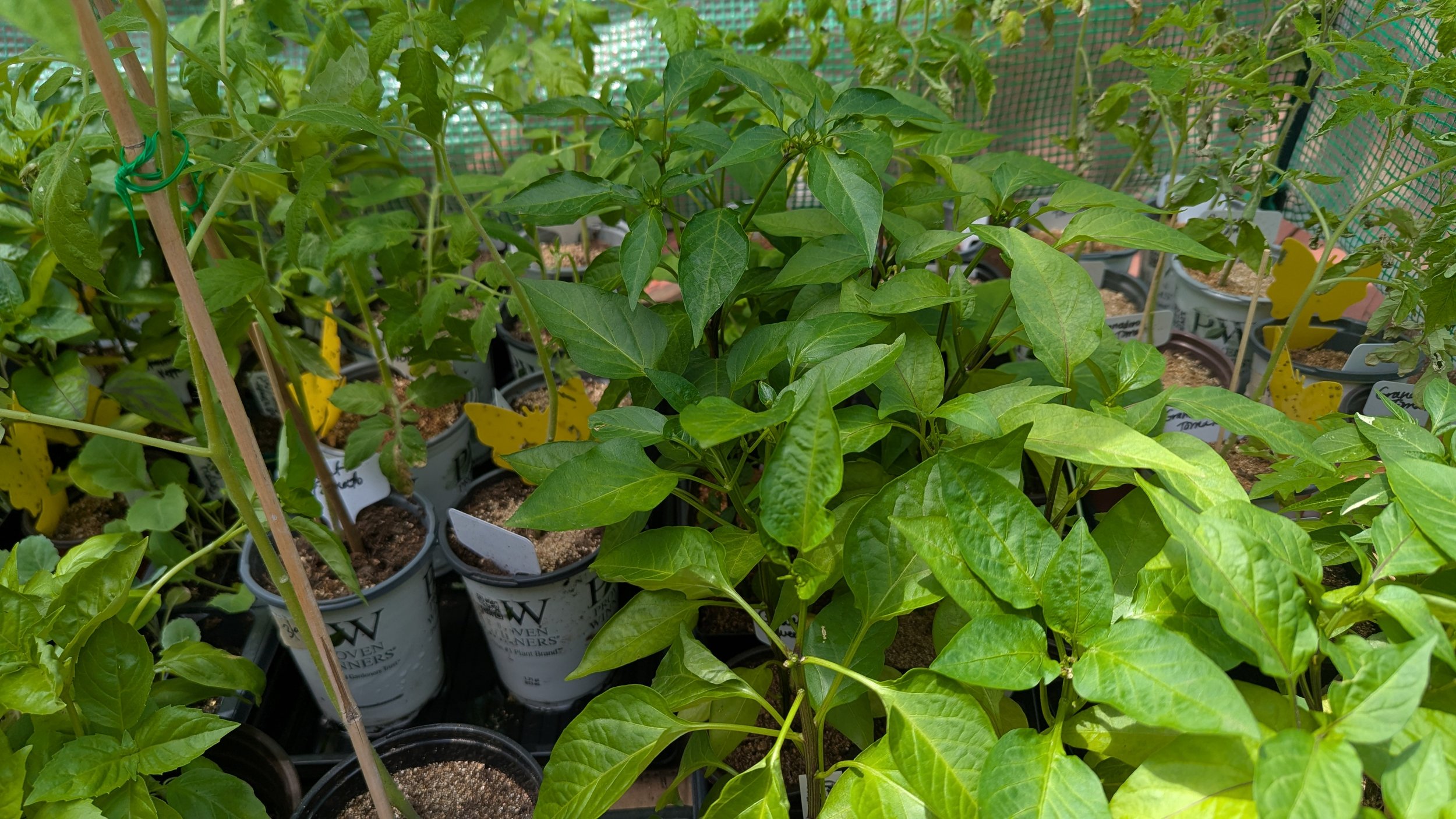
Young and healthy pepper plants outdoors in nursery pots. Courtesy of TigreBlume.
What I’m Seeing So Far
The results? The proof is already in the garden!
I planted the majority of my pepper plants out in mid-May, and the difference is night and day. I am already seeing an abundance of flowers and the very first signs of actual fruit setting on the plants. In previous years, I would still just be looking at green foliage at this stage in June.
The jury is admittedly still out on whether this experiment will result in a higher total yield by the end of autumn. But right now? It is looking incredibly promising, and I am thrilled to be ahead of the game.
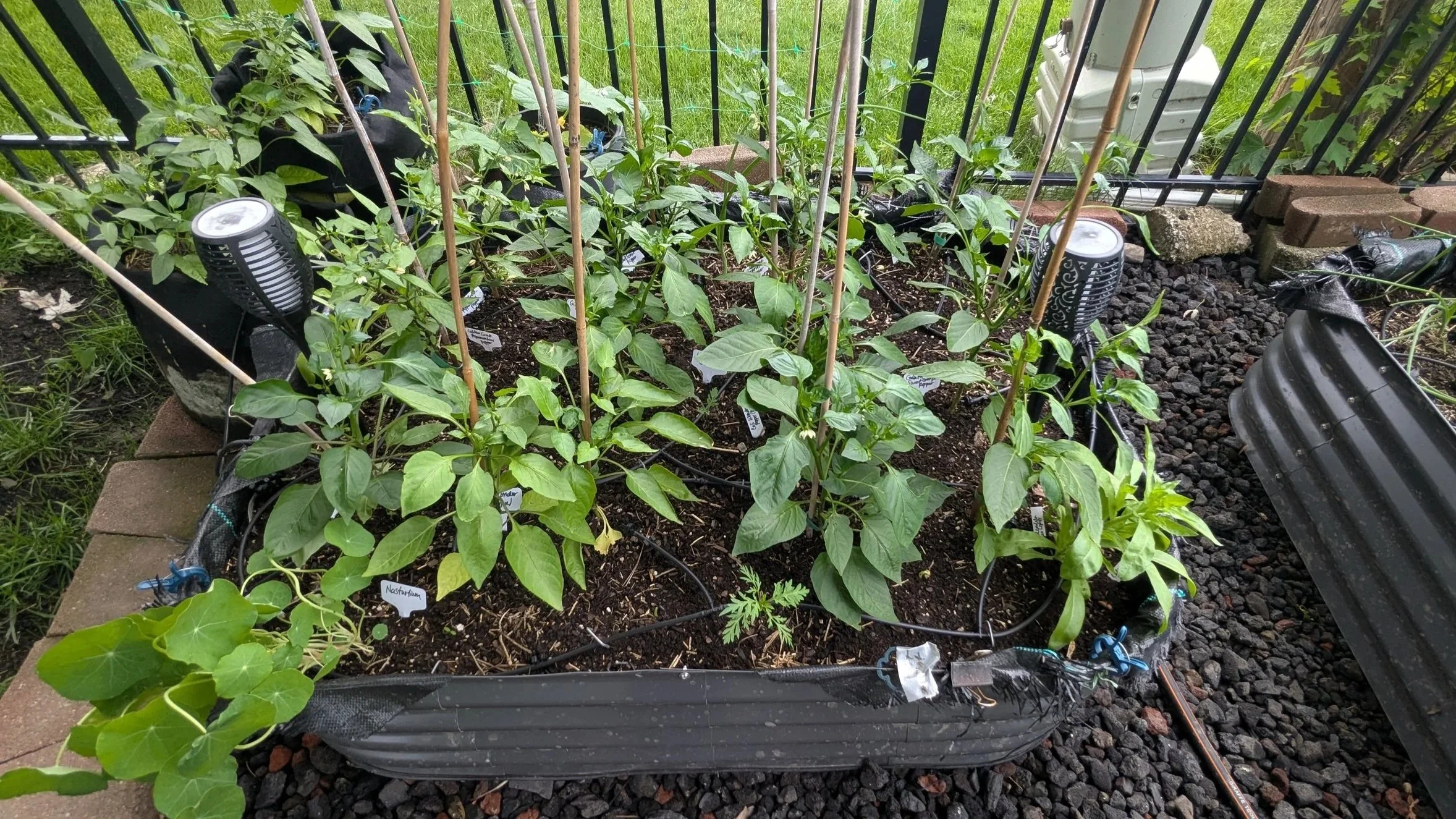
Healthy and bushy pepper plants densely planted in modular raised bed outdoors. Courtesy of TigreBlume.
What About You?
Are you Team Topping or Team Let-It-Grow when it comes to your peppers? Have you noticed a difference in how fast your fruit matures? Drop a comment below and let me know what strategies you're testing out this season!
