Succession Planting: What I’m Direct Sowing in June to Fill the Gaps
By TigreBlume
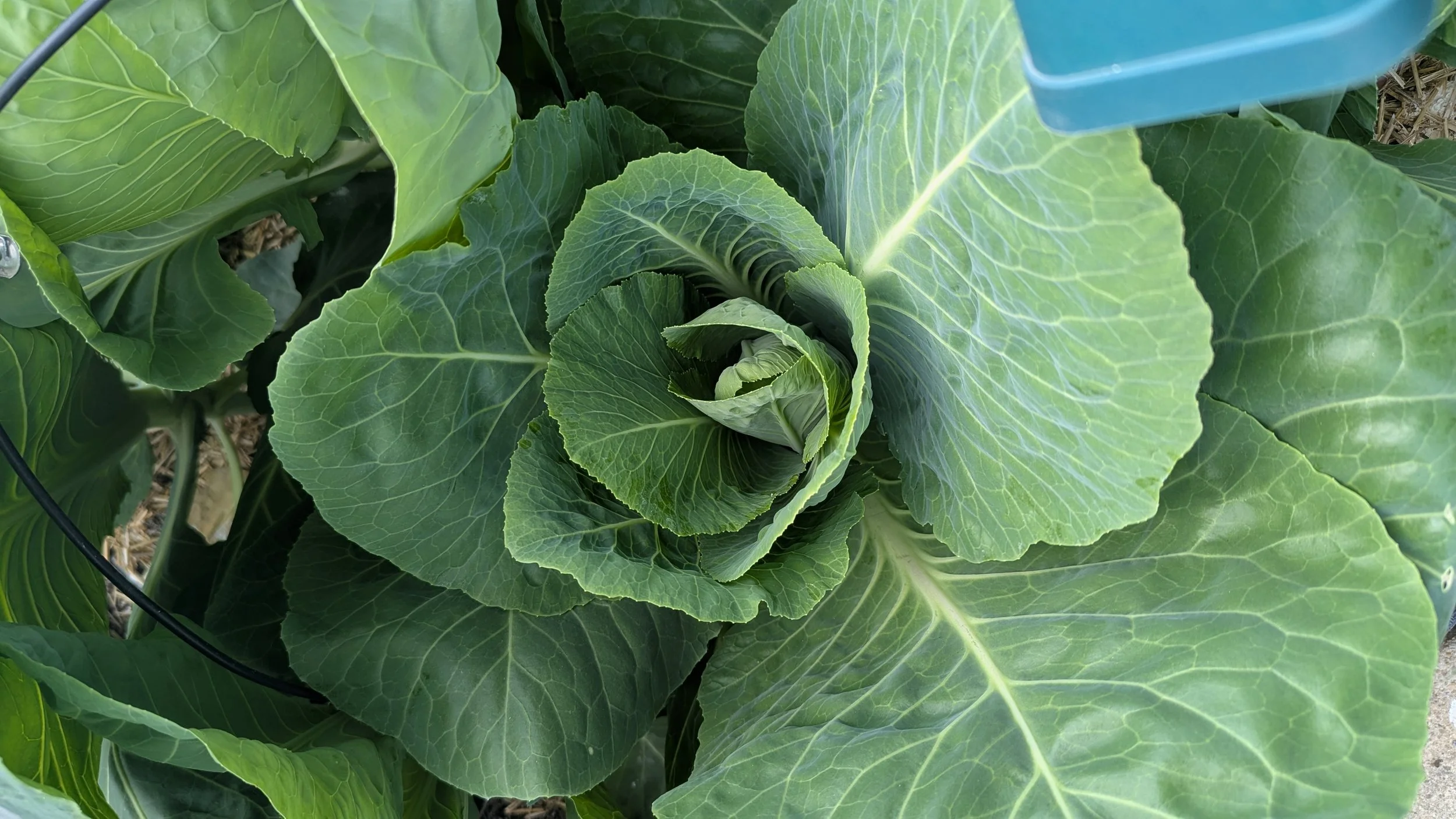
Cabbage plant in raised garden bed. Courtesy of TigreBlume.
Now that the initial rush of planting out summer crops and heat-loving flowers is finally behind us, a new phase of the gardening season begins. Right now, some of my cool-season favorites like cabbage, broccoli, and kale have hit their peak and are just about ready for their final spring harvest.
But in a high-yield garden, an empty space is just wasted potential!
As these spring crops exit the stage, it’s the perfect time to survey the garden, maximize every square inch, and direct sow fresh seeds to keep the harvest going all summer long. This month, my go-to lineup of bush beans, root vegetables, and stunning sunflowers is stepping in to take over the real estate.
Here is exactly what I'm direct sowing right now, and the layout strategy behind it:
1. Jade Bush Beans
The Variety:Jade is the gold standard for bush green beans, known for producing incredibly straight, slender, deep-green pods that are tender and sweet. They hold their quality beautifully on the plant and yield heavily over a long period.
The "Where": I am adding these to my morning sun, afternoon shade raised bed. They will seamlessly replace the broccoli and kale plants that are currently wrapping up their season there.
2. Cherry Belle Radish
The Variety: A timeless heirloom, Cherry Belle produces perfectly round, bright red globes with crisp, mild white flesh. Because they mature in a lightning-fast 20 to 22 days, they are the ultimate quick-turnaround crop for tight spaces.
The "Where": These are going into my 47” circular cabbage bed, stepping in as the immediate replacement for the spring cabbage plants as I harvest them.
3. Kuroda Carrot
The Variety:Kuroda is an exceptionally sweet, thick, blunt-tipped carrot that excels in warm summer soils where other varieties might struggle. It’s highly dependable, juicy, and fantastic for heavy or dense soils.
The "Where": Also joining the 47” circular cabbage bed, utilizing the newly freed-up space left behind by the harvested cabbages.
4. Scarlet Nantes Carrot
The Variety: Famous for its nearly coreless, fine-grained sweet flesh, Scarlet Nantes grows into cylindrical, 6-inch roots with a brilliant orange-red hue. It's a classic choice for fresh eating and juicing, adapting well to a variety of growing conditions.
The "Where": These are heading into my modular brassica bed to replace the spring broccoli plants.
5. Little Finger Carrot
The Variety: As the name suggests, Little Finger is a sweet, tender gourmet baby carrot developed specifically for small spaces and heavy cropping. It develops high sugar content quickly and can be harvested when it's just a few inches long.
The "Where": Also going into the modular brassica bed to fill the remaining gaps left by the departing broccoli.
6. ProCut Sunflower
The Variety: The holy grail for cut-flower lovers, ProCut sunflowers are single-stem, pollen-free giants with strong branches and perfectly formed, radiant petals. Because they don't drop messy pollen, they are ideal for indoor bouquets.
The "Where": I’m direct sowing these into a few of my fabric pots, as well as tucking them into my morning sun, afternoon shade raised bed. They aren’t replacing any specific crop—instead, they are stepping in to fill random empty pockets, add vertical beauty, and attract vital pollinators to the garden.
The Continuous Harvest Checklist
Succession planting is the true secret weapon of a high-yielding backyard garden. By pulling out spent spring crops and immediately popping new seeds into the ground, we can easily double our grocery savings and enjoy a steady stream of fresh food right up until winter. It keeps the soil covered, keeps the weeds at bay, and guarantees that there is always something beautiful or delicious just around the corner.
Are you trying out succession planting this year, or do you tend to stop sowing once the summer crops are in? Drop a comment below and let me know what you're direct sowing this month!
