What You Can Direct Sow in The Month of April
By TigreBlume
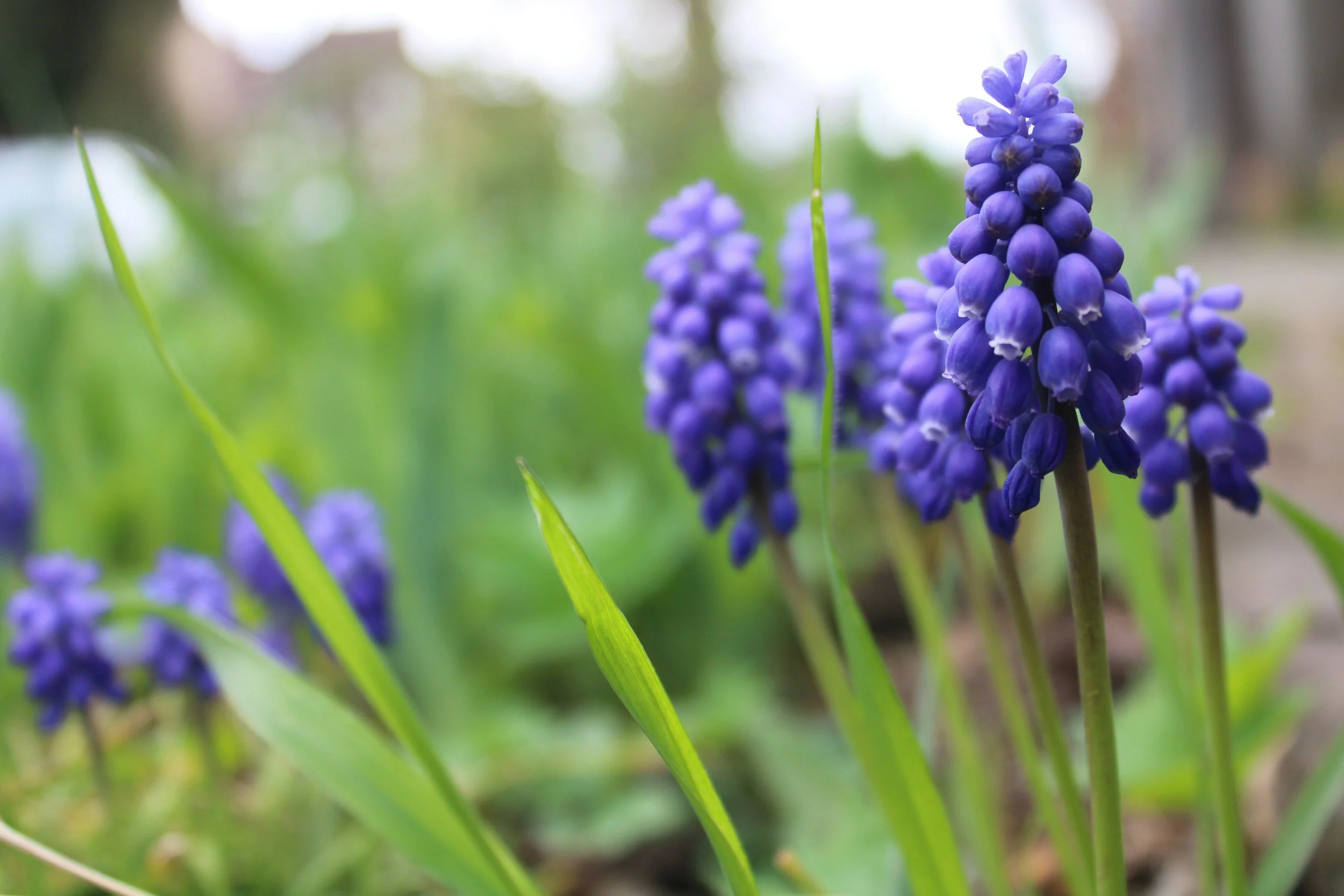
Whether you are looking to fill your raised beds with crisp greens or add a splash of color to your window boxes, April is the month where the garden truly begins to feel alive. After months of planning and staring at seed packets, the soil is finally warm enough to skip the nursery pots and tuck seeds directly into the earth.
Direct sowing in April is a rewarding exercise in timing and patience. For cool-season favorites like radishes, carrots, and hardy greens, this window offers the perfect balance of spring moisture and lengthening days. It isn't just about the vegetables, though—this is also the time to scatter seeds for pollinator-friendly flowers like poppies and calendula, ensuring your garden is as vibrant as it is productive.
In this post, we’ll walk through the best herbs, veggies, and flowers to start right now, so you can get your hands in the dirt and set the foundation for a lush, thriving season.
Here is a breakdown of common vegetables, herbs and flowers you can direct sow in April by USDA zone…
Zones 3–6 (Cool Climate Zones)
Vegetables:
Leafy Greens: Spinach, Lettuce, Kale, Collard Greens, Mustard Greens, Arugula, Swiss Chard, Asian Greens (Pak Choi, Bok Choy, etc.), and Cabbage.
Root Veggies: Carrots, Radishes, Beets, Parsnips and Turnips.
Alliums: Onion sets and Leeks.
Legumes: Peas/Beans (snow and shelling).
Herbs: Cilantro, Parsley, Dill, Fennel, Chives/Garlic Chives, and Fennel. For faster germination in early April, ensure the soil is not too wet, or use row covers for protection.
Flowers: Hardy annuals and perennials like Calendula, Bachelor’s Button, Poppies, Snapdragons, Alyssum, Borage, Nigella, Larkspur, Sweet Peas, Coneflowers, Foxglove, Yarrow, Lupins, and Milkweed. After last frost can sow, Sunflowers, Zinnia, Cosmos, Nasturtiums, and Marigolds.
Zones 7–8 (The Mild Winter Zones)
Vegetables:
Leafy Greens: Spinach, Kale, Lettuce, Collards Greens, Arugula, Swiss Chard, Mustard Greens, Asian Greens (Pak Choy, Bok Choy, Tatsoi)
Root Veggies: Carrots, Radishes, Beets, Turnips, Parsnips and Potatoes.
Brassicas: Kohlrabi
Legumes: Peas/Beans (shell, snap, and snow),
Herbs: Cilantro, Parsley, Dill, Fennel, Chamomile, Chives/Garlic Chives, Sage, Thyme, Mint, Oregano, and Lemon Balm.
Flowers: Hardy annuals and perennials like Zinnias, Sunflowers, Calendula, Sweet Peas, Bachelor’s Buttons, Nasturtiums, Amaranth, Borage, Strawflowers, Marigolds, Alyssum, Yarrow, Black Eyed Susan, Coreopsis, Baby’s Breath, and Cosmos.
Zones 9–11 (The Warm South)
In March, gardeners in zones 9-11 can directly sow both cool-season crops and early warm-season vegetables.
Vegetables
Root Veggies: Carrots, Radishes, Beets, Turnips, Parsnips, Kohlrabi, Rutabaga.
Legumes: Peas/Beans (shelling, snap, pole).
Others: Okra, Melons, Cucumbers, Summer Squash, Zucchini, Winter Squash/Pumpkins and Corn.
Potatoes: Sweet Potatoes (slips).
Herbs: Parsley, Cilantro, Dill, Fennel, Basil, Borage, Chives/Garlic Chives, Oregano, Thyme, Mint, Rosemary, Sage, Ginger, Turmeric, and Lemon Grass.
Flowers: Hardy annuals and perennials like Sunflowers, Zinnias, Marigolds, Cosmos, Nasturtiums, Calendula, Scabiosa, Sweet Peas, Borage, Gomphrena, Celosia, Amaranth, Petunias, Morning Glory, Hollyhock, Coneflowers, and Poppies. Bulbs - Canna and Dahlias.
For direct sowing—planting seeds directly into their permanent outdoor home—success depends on matching the seed to the soil temperature and managing early-spring moisture. Here are a few quick tips:
Tip #1 - Check Your Soil Temperature - While the air might feel warm, the soil often lags behind. Sowing seeds into cold, wet mud can cause them to rot before they germinate.
Cool-season crops (peas, radishes, spinach, and lettuce) generally need a soil temperature of at least 45°F to 50°F.
Wait on the "heats": Avoid direct sowing "summer" crops like beans, corn, or cucumbers until the soil consistently hits 60°F+.
Tip #2 - Prepare the Seedbed - Spring soil can be compacted from winter snow or rain.
Avoid tilling wet soil: If you squeeze a handful of soil and it forms a solid, sticky ball, it’s too wet to work. Wait until it crumbles.
Lightly rake: Use a garden rake to create a fine "tilth" (a smooth, crumbly surface). This ensures good seed-to-soil contact, which is vital for moisture absorption.
Tip #3 - Monitor Sowing Depth - A general rule of thumb is to plant a seed at a depth of two to three times its width.
Tiny seeds (like lettuce or carrots) need very little cover—sometimes just a light dusting of soil—because they may require some light to germinate.
Larger seeds (like peas or nasturtiums) can be planted deeper where the moisture levels are more consistent.
Tip #4 - Manage Early Spring Pests - April is prime time for slugs, snails, and birds looking for an easy snack.
Protective covers: Use lightweight row covers or "cloches" (milk jugs with the bottoms cut out also work well) to protect tender seedlings from overnight frosts and hungry critters.
Thinning: If you sow heavily to ensure a good stand, be sure to thin the seedlings once they have their first "true" leaves so they don't compete for nutrients.
Always check your local "Last Frost Date" before sowing. If your soil is still workable but a deep freeze is predicted, a simple layer of mulch or a row cover can give your seeds the extra protection they need to thrive.