The Patience of a Gardener: Mastering the World’s Most "Stubborn" Herbs
By TigreBlume
There is a specific kind of "gardener’s anxiety" that sets in when you’re staring at a tray of soil for the third week in a row, wondering if you’ve done something wrong.
If you’ve ever waited on a Rosemary seed to wake up, or checked your Parsley daily only to find an empty pot, you know exactly what I’m talking about. While herbs like Mint or Basil seem to explode out of the soil overnight, the "Big Players"—the Sage, the Lavender, the Rosemary—take their sweet time. They are the slow-growers, the heat-seekers, and the light-dependents that often leave beginners (and even some pros!) feeling like they lack a green thumb.
But here is the secret for the 2026 season: The most "stubborn" herbs are often the most rewarding. These plants don't just offer flavor; they offer a full-home apothecary. From the memory-boosting power of Rosemary to the deep, skin-soothing magic of Lavender, these herbs are worth the wait. They just require a little more "insider knowledge" to get them from a tiny seed to a thriving, woody shrub.
In this post, I’m pulling back the curtain on my indoor seed-starting station. I’m sharing the temperature preferences, light tricks, and "patience protocols" I use to germinate my top herbs. If you’ve struggled with these slow-growers in the past, consider this your 2026 roadmap to a garden that works as hard as you do.

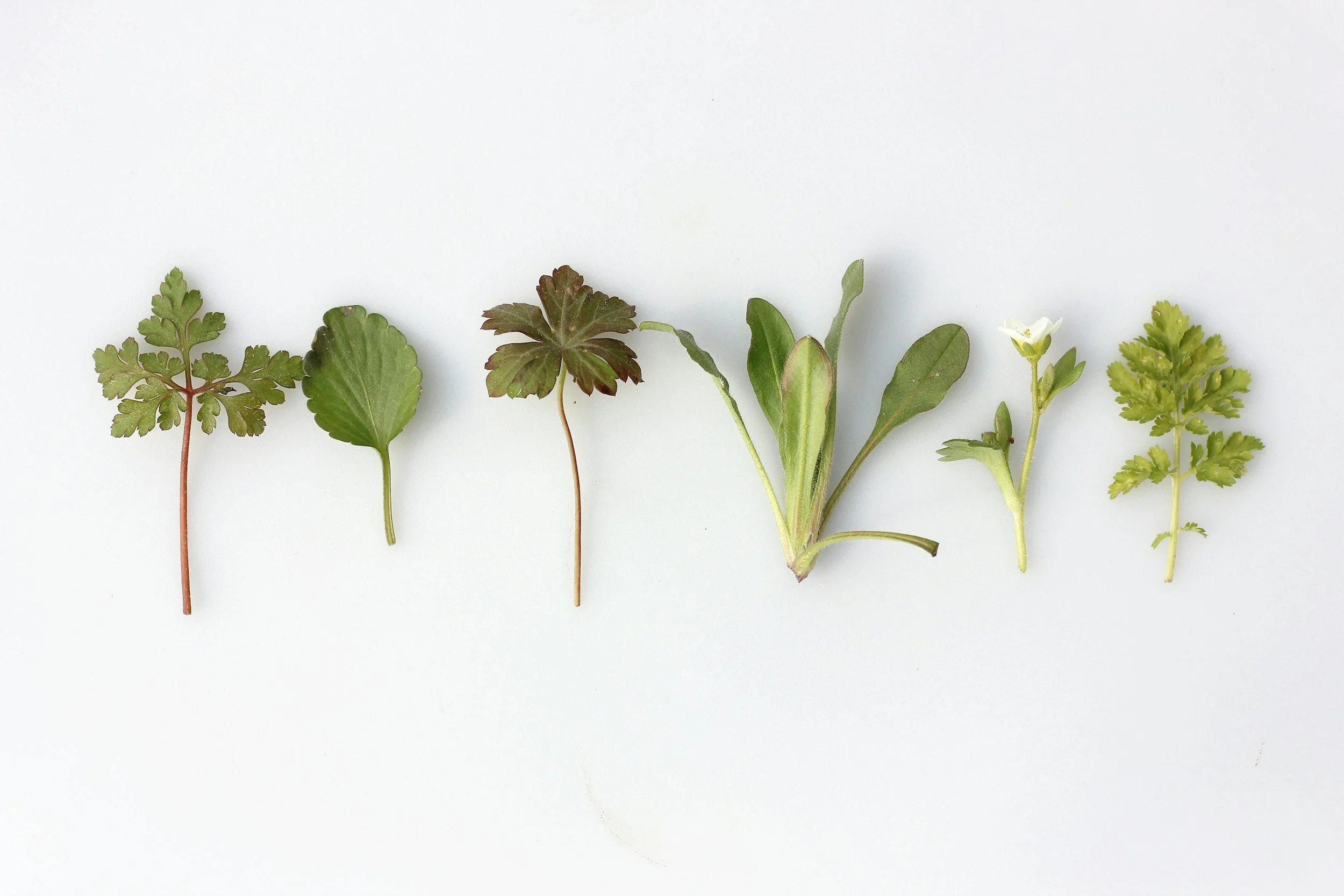
Lavender | Lavender is the crown jewel of the multi-purpose garden. In 2026, it’s a favorite not just for its iconic scent, but for its ability to survive heatwaves and provide a year-round "home spa" experience.
💠Growing from Seed: Lavender seeds have a secret: they love a "winter chill" before they wake up. Start them indoors 10–12 weeks before the last frost
The Stratification Trick: For the best results, I place my seeds in the fridge for 3–4 weeks before planting. This mimics winter and tells the seed it’s time to grow.
Planting and Lighting: Gently press the seeds into the soil surface (prefers surface sowing). Some varieties prefer a period of darkness for germination. I typically cover my lavender with a heavy weighted cloth to simulate darkness and place in a cool spot on my grow shelf (no heat needed for germination if room temperature stays above 65 degrees F). I leave in this state until I see green sprouts popping up through the soil, at which point I will then place under grow lights. If your seed packet specifies light for germination, follow those instructions.
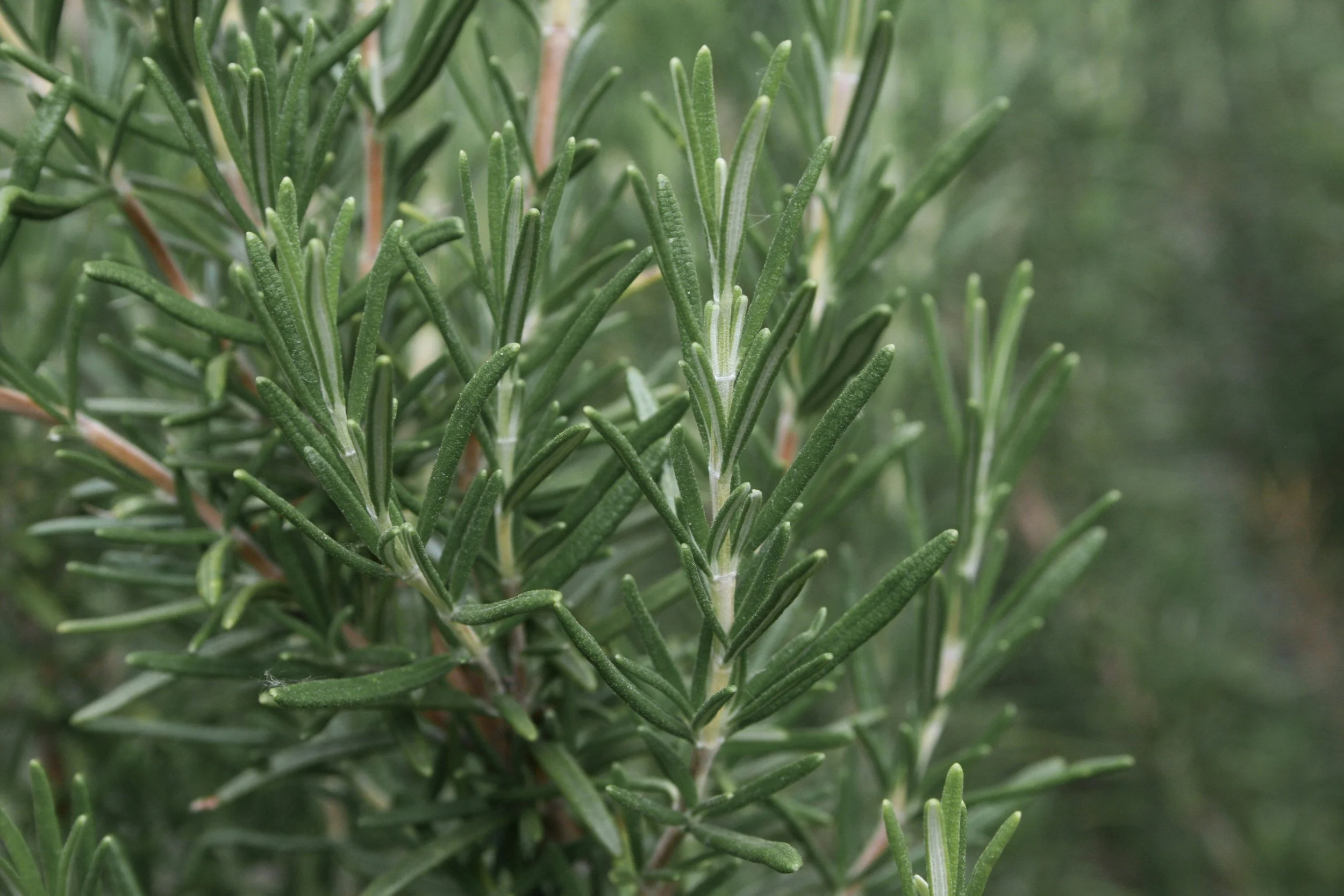
Rosemary | Rosemary is the "Iron Man" of the herb world. In 2026, it’s a garden staple because it thrives in changing climates and provides high-value harvests for both your kitchen and your vanity.
💠Growing from Seed: Growing rosemary from seed is notoriously difficult and slow—it has a very low germination rate. Start them indoors 10–12 weeks before the last frost.
The Stratification Trick: For the best results, I place my seeds in the fridge for 1-2 weeks, then soak in lukewarm water for 24-36 hours before planting to wake them up and speed up germination.
Planting and Lighting: Gently press the seeds into the soil surface (surface sow or sow shallowly). Keep the soil warm (using a heat mat helps), provide ample overhead light and be patient; they can take up to a month just to sprout!
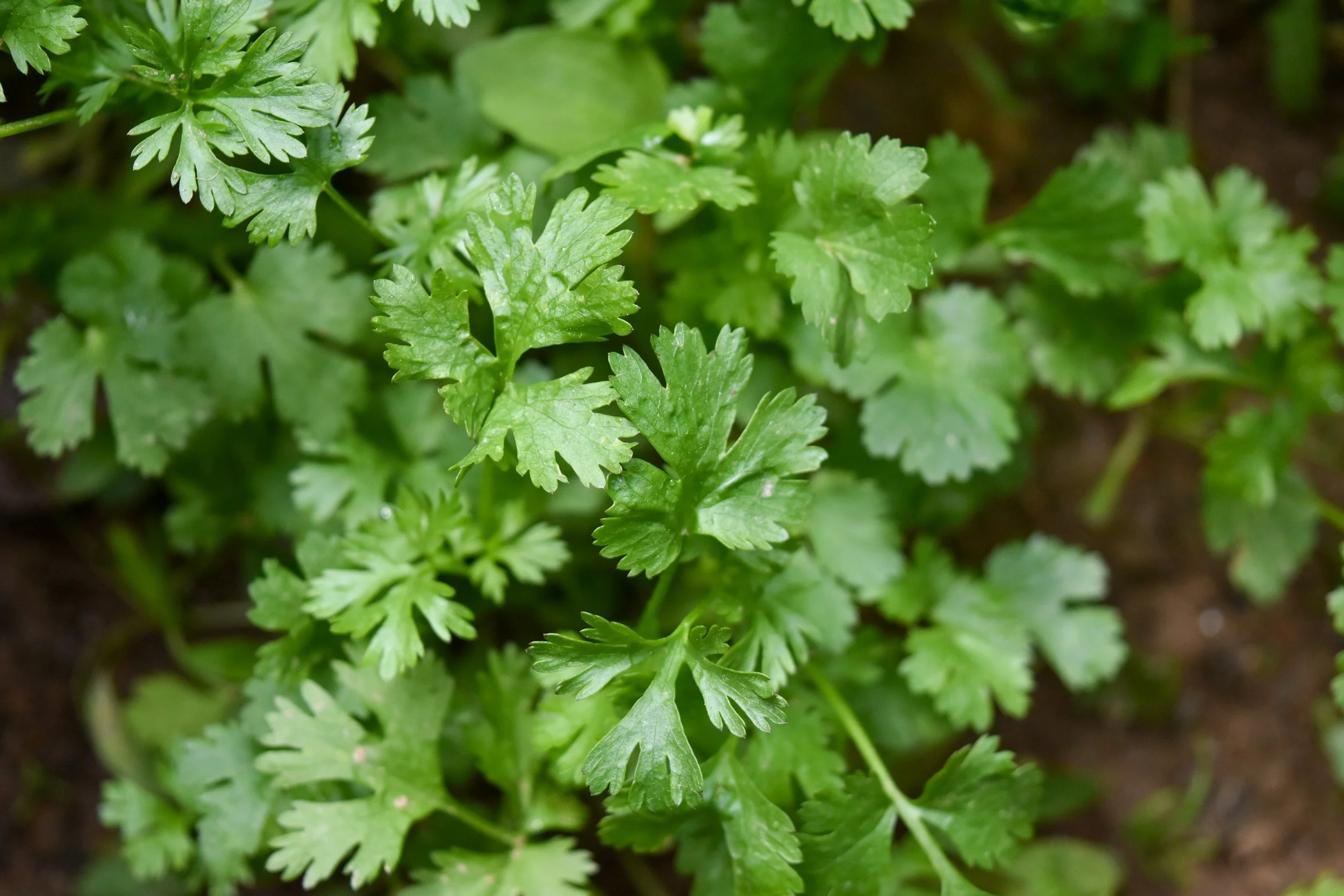
Parsley | Parsley is often dismissed as a lonely garnish on a plate, but in 2026, we recognize it as a nutritional powerhouse and one of the hardiest "survival" herbs in the garden.
💠Growing from Seed: Parsley is famous for being a slow starter. Start your seeds indoors 8 to 10 weeks before the last frost.
The Secret: Parsley seeds have a tough outer coating. I soak them in warm water for 24-36 hours before planting to "wake them up" and speed up germination. Don't be discouraged if you don't see sprouts for 3 weeks—it’s just taking its time!
Planting and Lighting: Plant 1/4 inch deep. Parsley grows best under light and in cooler temperatures. I usually place them in a cool spot on my grow shelf (no heat needed for germination if room temperature stays above 65 degrees F) and provide ample overhead light.
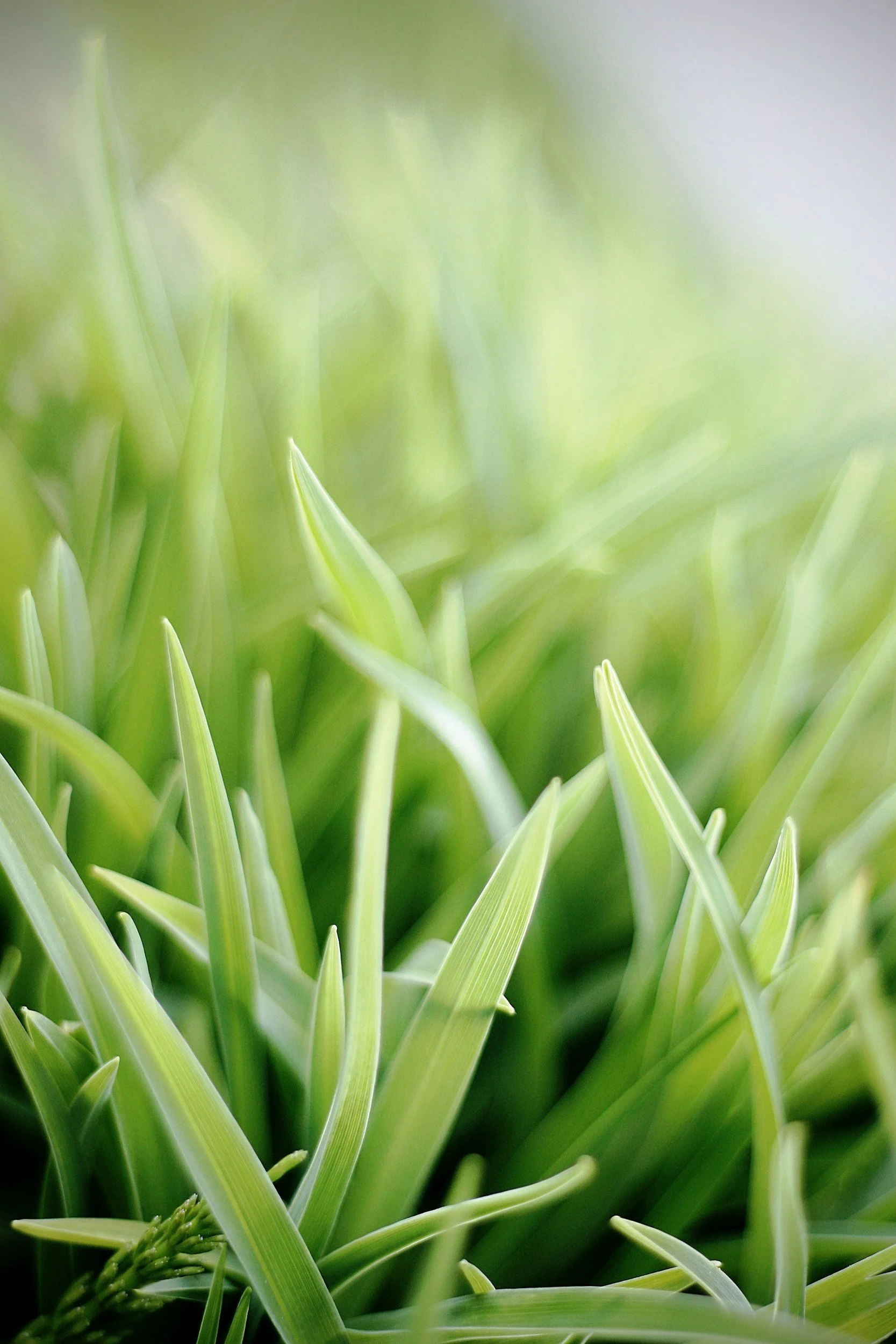
Lemon Grass | Lemongrass brings a refreshing, citrusy punch to the 2026 garden. While it looks like a simple ornamental grass, it is a high-utility plant that functions as a culinary staple, a medicinal tea, and a natural pest repellent.
💠Growing from Seed: Lemongrass seeds can be a bit finicky and slow to sprout. Start your seeds indoors 8 to 10 weeks before the last frost.
The Secret: For the best results, I place my seeds in the fridge for 1-2 weeks, then soak in lukewarm water for 24-36 hours before planting to wake them up and speed up germination.
Planting and Lighting: Gently press the seeds into the soil surface (surface sow). Keep the soil warm (using a heat mat helps), provide ample overhead light and be patient; they can take up to a few weeks to sprout!
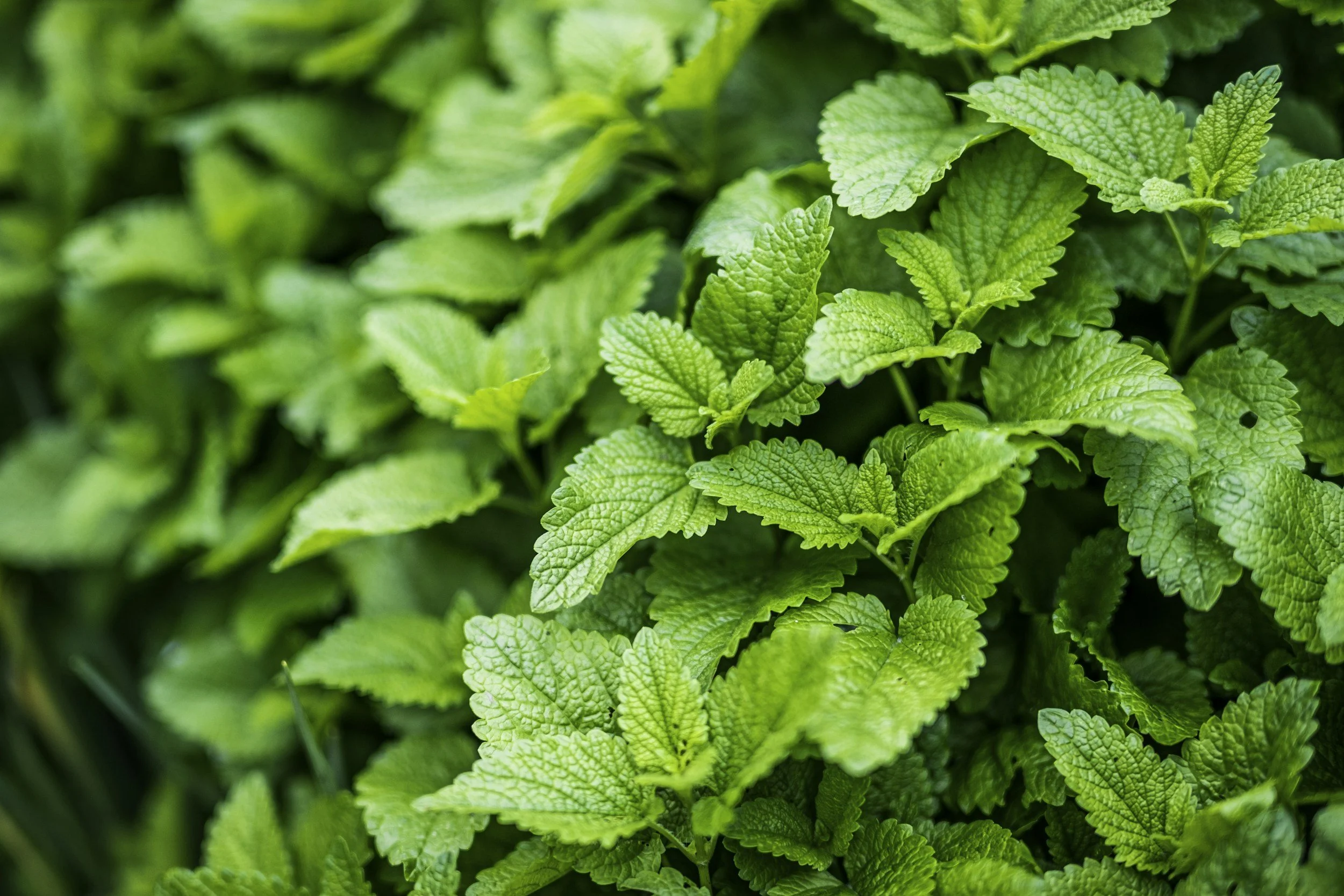
Lemon Balm | Lemon Balm has been a garden favorite for centuries, famously known as the herb that "gladdens the heart." It remains a top choice for small-space gardeners because it is incredibly hardy, easy to grow, and offers a sweet, citrusy scent that instantly calms the senses.
💠Growing from Seed: Lemon balm is a member of the mint family, which means it’s eager to grow once it gets started. Start your seeds indoors 6 to 8 weeks before the last frost.
Planting and Lighting: Gently press the seeds into the soil surface (surface sow). Lemon Balm grows best under light and in cooler temperatures. I usually place them in a cool spot on my grow shelf (no heat needed for germination if room temperature stays above 65 degrees F) and provide ample overhead light.
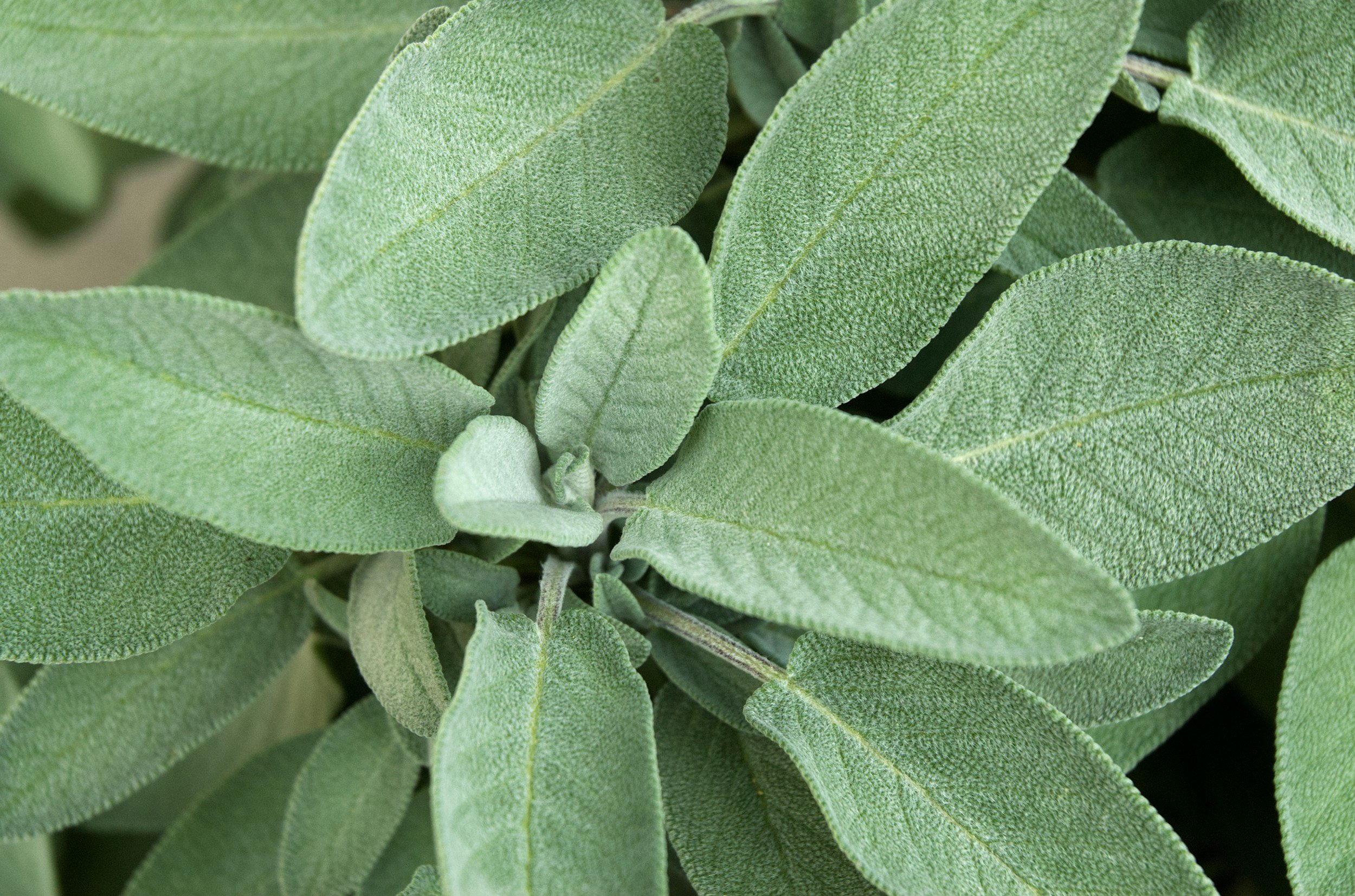
Sage | Sage is the "wise elder" of the herb world. In 2026, it’s a must-have for the self-sufficient gardener because it is a hardy, woody perennial that provides savory flavor for the kitchen and potent antiseptic properties for the home apothecary.
💠Growing from Seed: Sage is a slow and steady grower, so you’ll need to start it early to have substantial plants by summer. Start your seeds indoors 8 to 10 weeks before the last frost.
Planting and Lighting: Sage seeds have a relatively short shelf life, so try to use fresh seeds for the 2026 season, if possible. Plant 1/8 inch deep. Sage grows best under light and in cooler temperatures. I usually place them in a cool spot on my grow shelf (no heat needed for germination if room temperature stays above 65 degrees F) and provide ample overhead light.
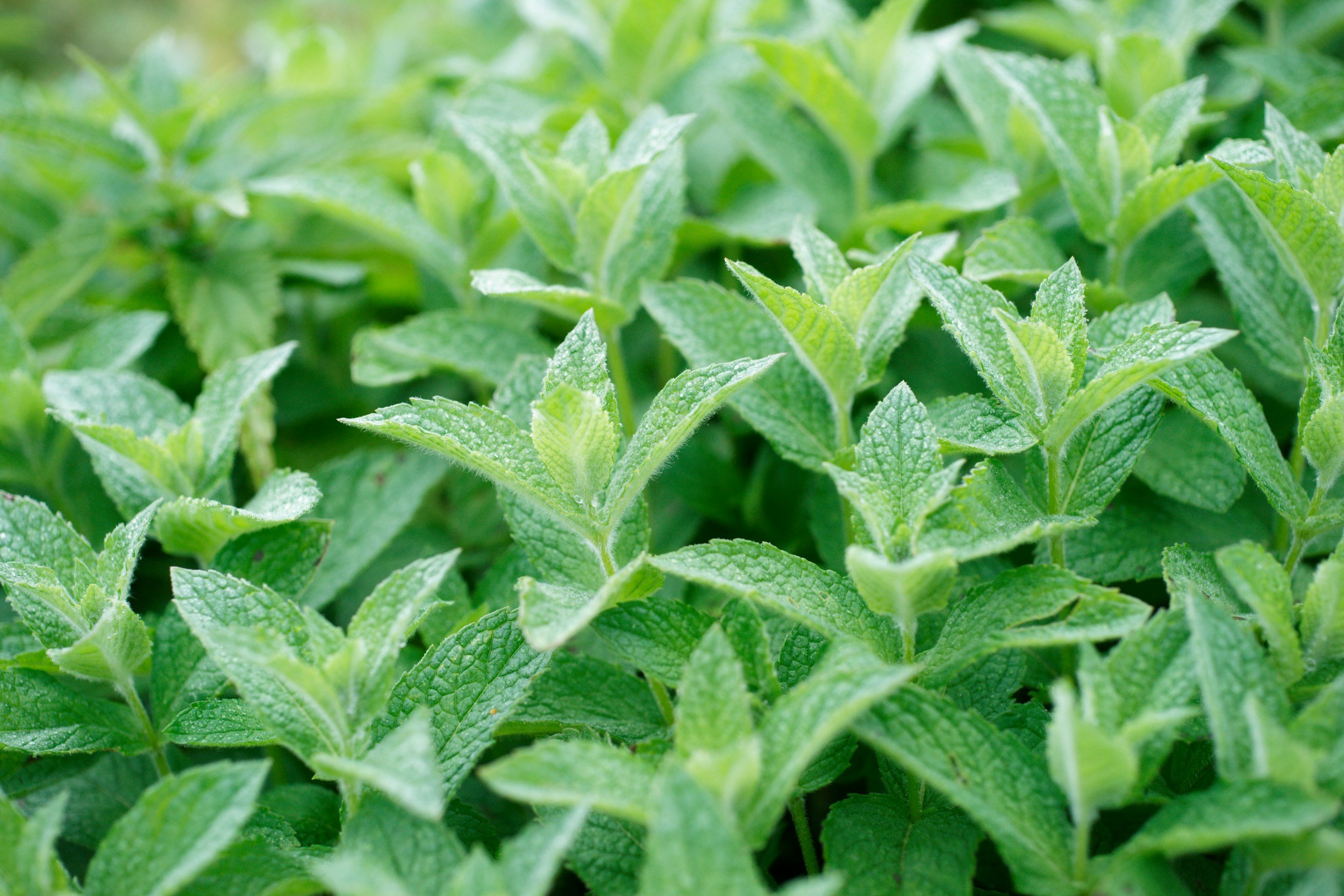
Peppermint | Peppermint is the cooling powerhouse of the 2026 garden. Whether you’re using it to flavor a summer tea or infusing it into a soothing foot salve, this herb is famous for its vigor and its unmistakable, crisp aroma.
💠Growing from Seed: Peppermint seeds are tiny and require a bit of finesse to get started. Start your seeds indoors 8 to 10 weeks before the last frost.
Planting and Lighting: Just like lemon balm, peppermint seeds are light-dependent. Scatter them on the surface and press them in gently, but do not bury them. Keep the soil lukewarm (at least 70 degrees F), provide ample overhead light and be patient; they can take up to a few weeks to sprout!
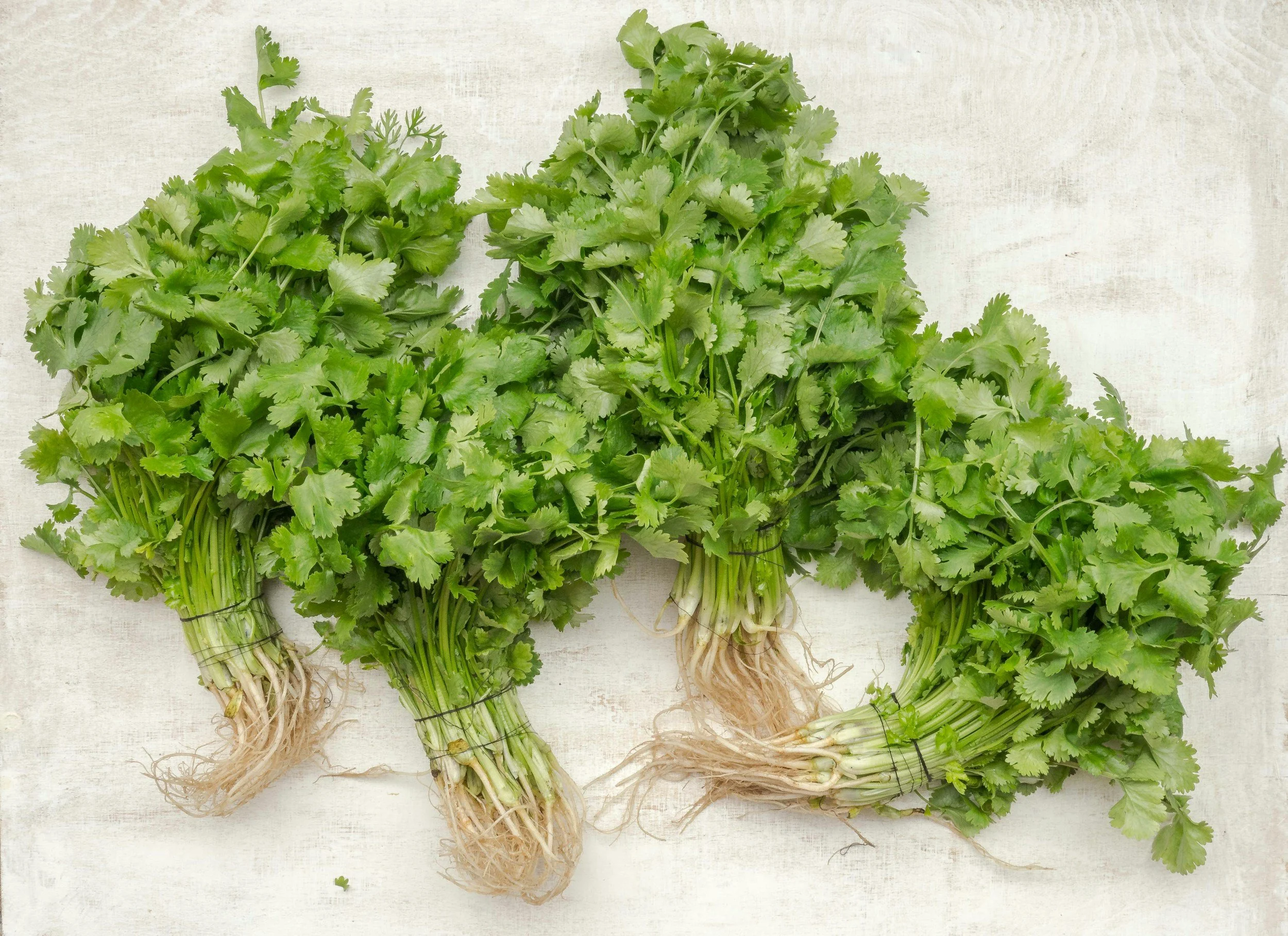
Cilantro | Cilantro is the "wild child" of the herb garden—it grows fast, bolts quickly, and offers two distinct harvests in one plant. In 2026, it remains a favorite for its bright, citrusy leaves and its transition into the spicy, warm seeds we know as Coriander.
💠Growing from Seed: Unlike many Mediterranean herbs that take weeks to get moving, cilantro is built for speed. Start your seeds indoors 4 to 6 weeks before the last frost.
The Secret: For the best results, I place my seeds in the fridge for 1-2 weeks before planting to wake them up. Additionally, I learned each round "seed" is actually a fruit containing two seeds. I’ve found that gently cracking or nicking the husk before planting can sometimes help them germinate even faster!
Planting and Lighting: Plant 1/4 to 1/2 inch deep. Cilantro grows best under light and in cooler temperatures. I usually place them in a cool spot on my grow shelf (no heat needed for germination if room temperature stays above 65 degrees F) and provide ample overhead light.