February is the true kickoff for the TigreBlume garden. While the ground outside might still be sleeping, indoors it’s a different story. Following my mid-January starts of onions and pansies, February brings a new wave of energy to the indoor garden. This month’s sowing list is all about preparation—getting those sweet and spicy peppers, hardy herbs, and summer-blooming flowers established before the spring rush. If you’re looking for a peek into my 2026 indoor setup, here is a breakdown of what’s hitting the soil under the lights this month.
What I’m Sowing Indoors In February
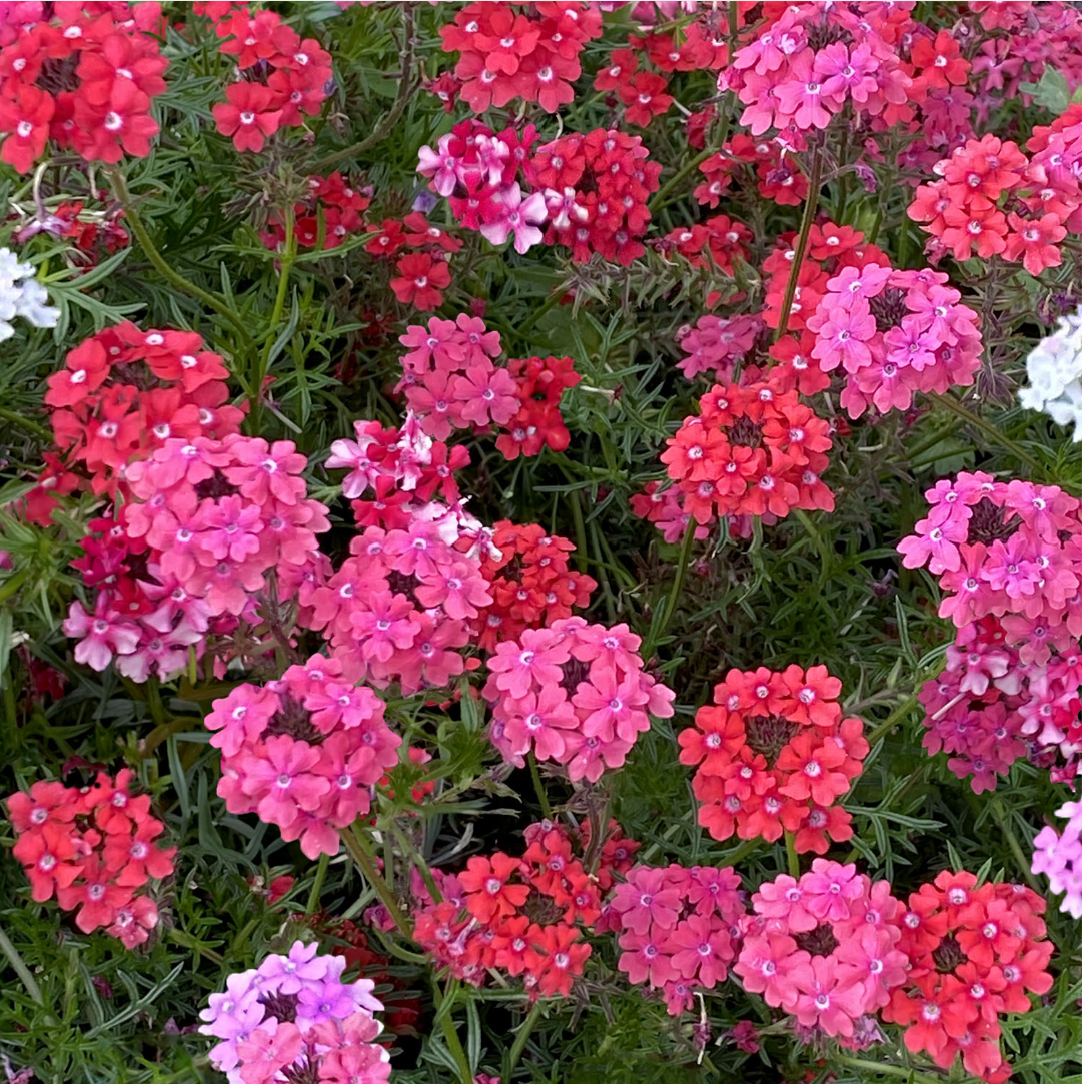
Verbena: Don't let those dainty flower heads fool you—Verbena is a sun-loving powerhouse. These clusters of star-shaped blooms are the secret weapon for any container or small-space garden. It’s heat-tolerant, drought-resistant, and a magnet for every butterfly and bee in the neighborhood. I'm starting these seeds now in February to give them the head start they need to build a deep root system, ensuring they can handle the heat of the summer sun with ease. This year, I'm growing the Compact Rose and Sweetheart Kisses varieties.
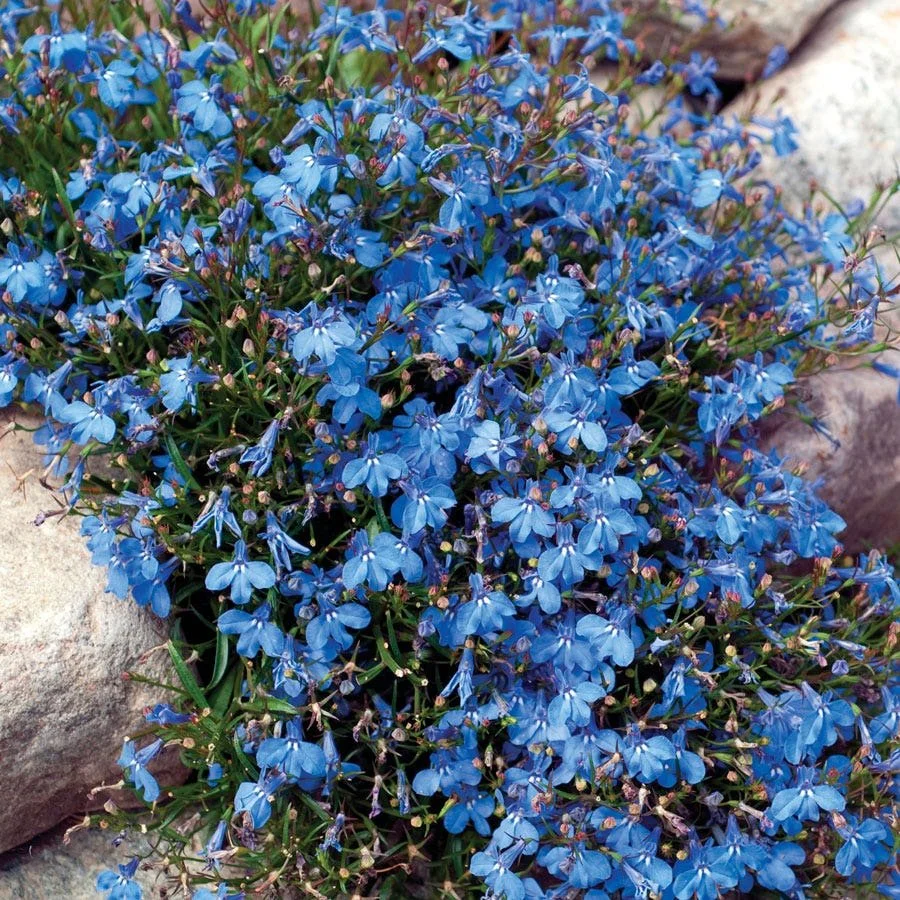
Lobelia: Every great garden needs a 'filler,' and Lobelia is the gold standard. Whether you’re tucking it into the edges of a small-space planter or using it to soften the transition between your larger sun-loving flowers, Lobelia adds a fine-textured elegance that’s hard to beat. By sowing them indoors this February, you're giving these tiny seeds the long head start they need to transform into the cascading 'waterfalls' of bloom that will spill over the edges of your containers all summer long. This year, I'm growing the Fountain Blue variety.
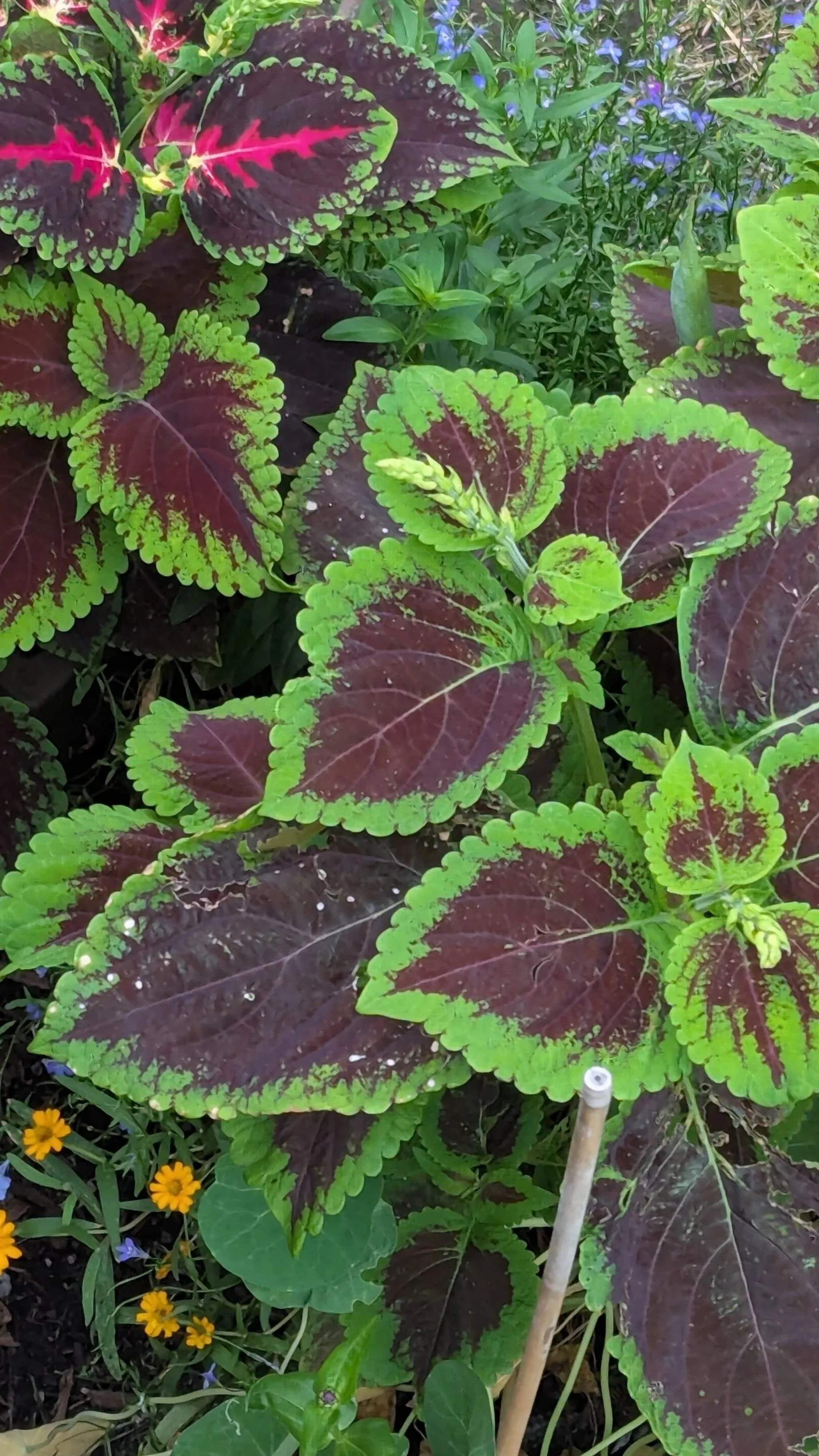
Coleus: Who says you need flowers for a pop of color? Coleus is the garden’s living canvas, offering everything from neon lime and velvety burgundy to intricate, multi-colored mosaics. Sowing these indoors in February ensures that by the time May rolls around, you’ll have sturdy, vibrant plants ready to anchor your shady pots and bring a high-end, designer look to your small-space sanctuary. Coleus is the low-maintenance, high-impact plant every gardener needs in their toolkit this year! This year, I'm growing the Rainbow Blend and Wizard Golden varieties.
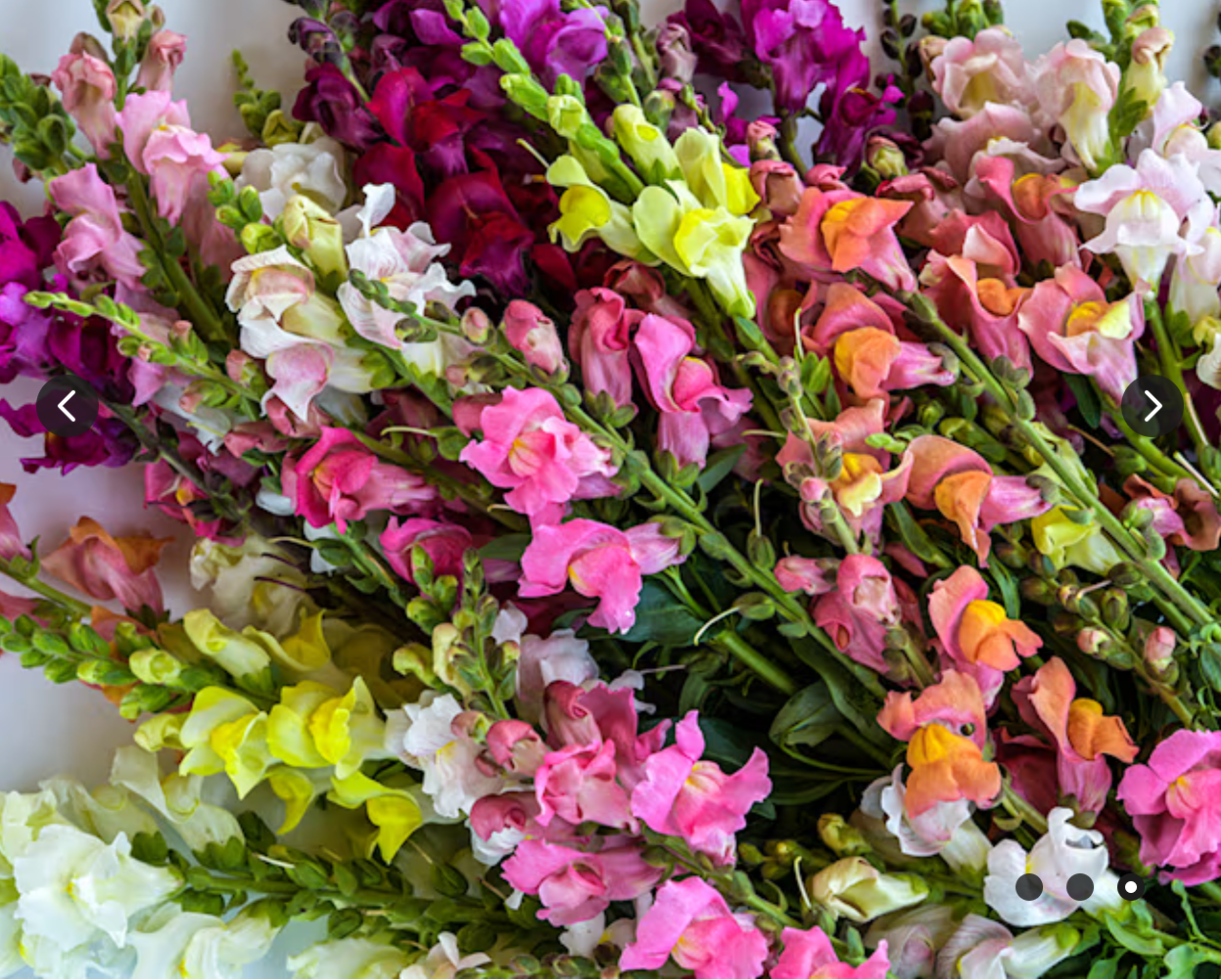
Snapdragons: If your garden needs a little lift, Snapdragons are the answer. With their towers of velvety blooms, they add architectural interest that few other flowers can match. Starting them indoors this February ensures that by the time spring hits, you'll have well-established plants ready to reach for the sky. From soft pastels to bold sunsets, they are the vertical 'thriller' every small-space gardener needs. This year, I'm growing the Tall Deluxe Mix variety.
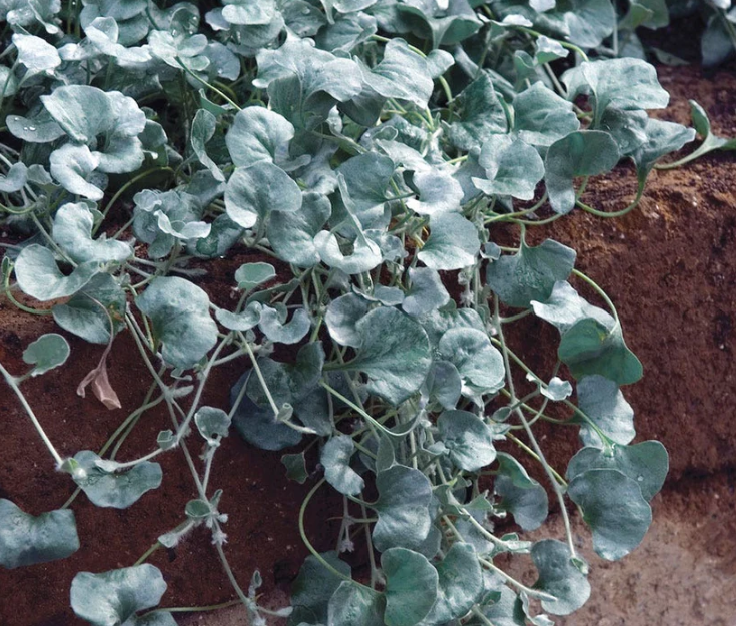
Dichondra: If you want to add a touch of elegance to your garden, look no further than Dichondra. With its shimmering, fan-shaped leaves and a trailing habit that can reach several feet, it creates a literal cascade of moonlight in your containers. I'm sowing these indoors this February to give that metallic foliage plenty of time to grow into the show-stopping 'spiller' the summer baskets deserve. This year, I'm growing the Silver Falls variety.
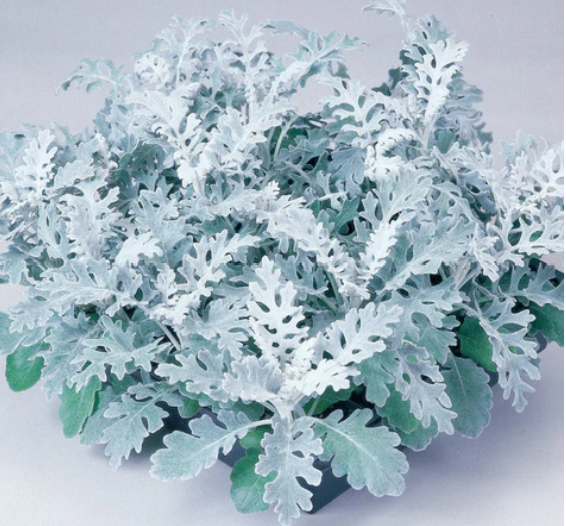
Dusty Miller: Don't let the delicate, woolly leaves fool you—Dusty Miller is a garden warrior. This sun-loving foliage plant is incredibly drought-tolerant and stands up to the summer heat without breaking a sweat. By getting a head start in February, you're building a sturdy root system that will keep this silvery beauty looking fresh and fuzzy from the first spring breeze to the last autumn frost.
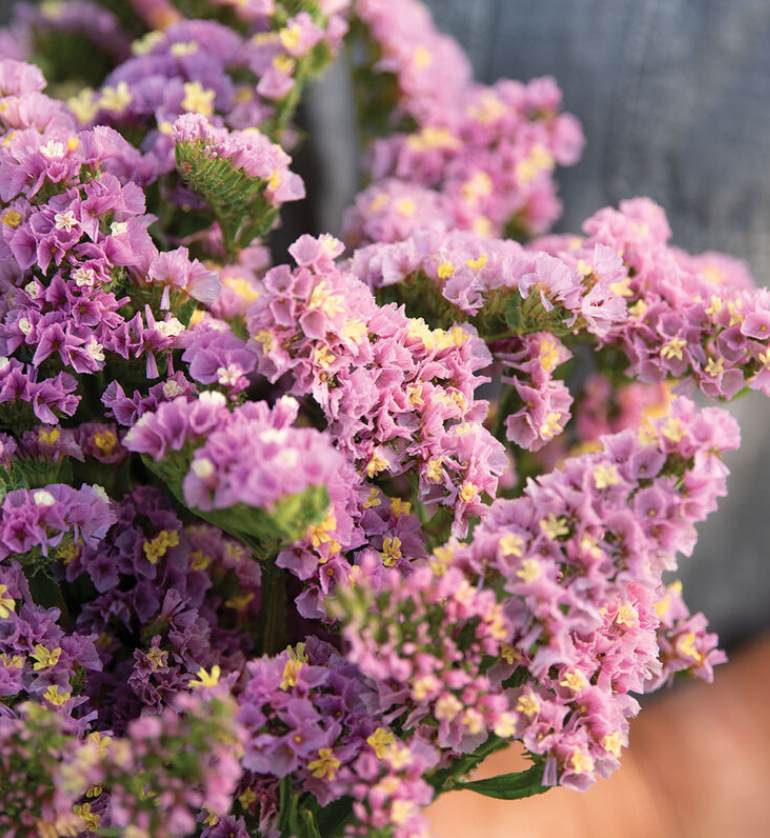
Statice: Statice brings a delicate, airy texture to the garden that looks like it belongs in a Victorian cottage, but it’s built like a desert survivor. Whether you’re growing them for fresh-cut arrangements or for dried floral crafts, these are the ultimate low-maintenance 'filler' flowers. Once established, it’s incredibly drought-tolerant and loves the sun. Sowing indoors now gives these sturdy plants the time they need to grow deep roots, so they can pump out those unique, honeycomb-textured blooms all season long. This year, I'm growing the Forever Happy variety.
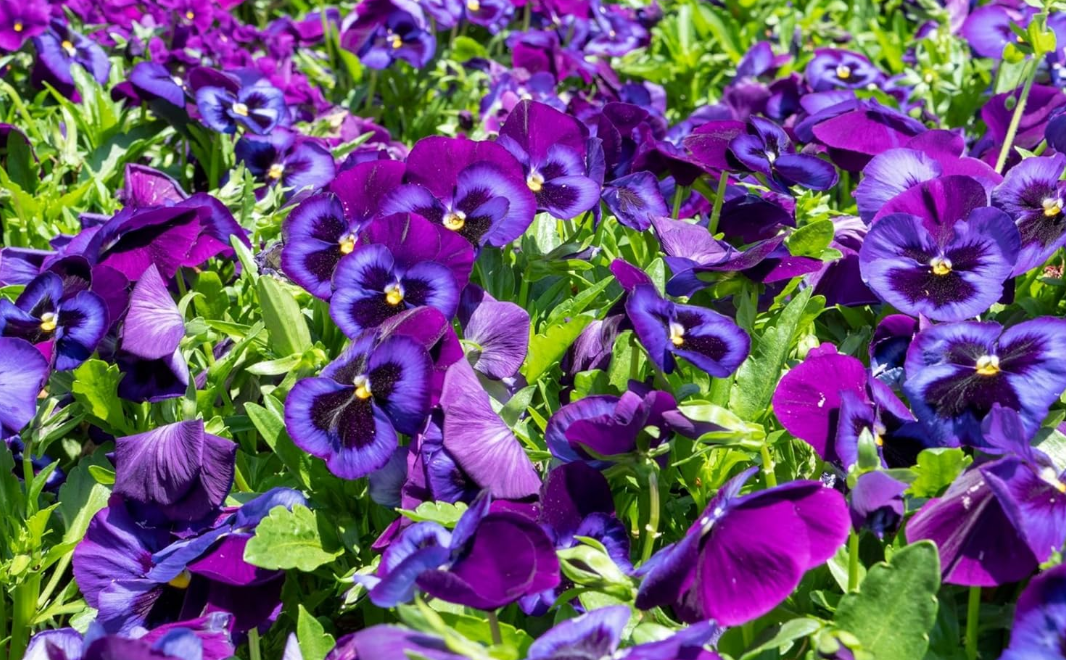
Violas: Don't let their dainty size fool you—Violas are garden workhorses! 🥊 They love the cool weather and offer some of the most intricate color patterns in the floral world. From deep velvets to bright neon's, I'm getting these seeds started under the lights now to kickstart my 2026 spring garden display. This year, I'm growing the King Henry variety.
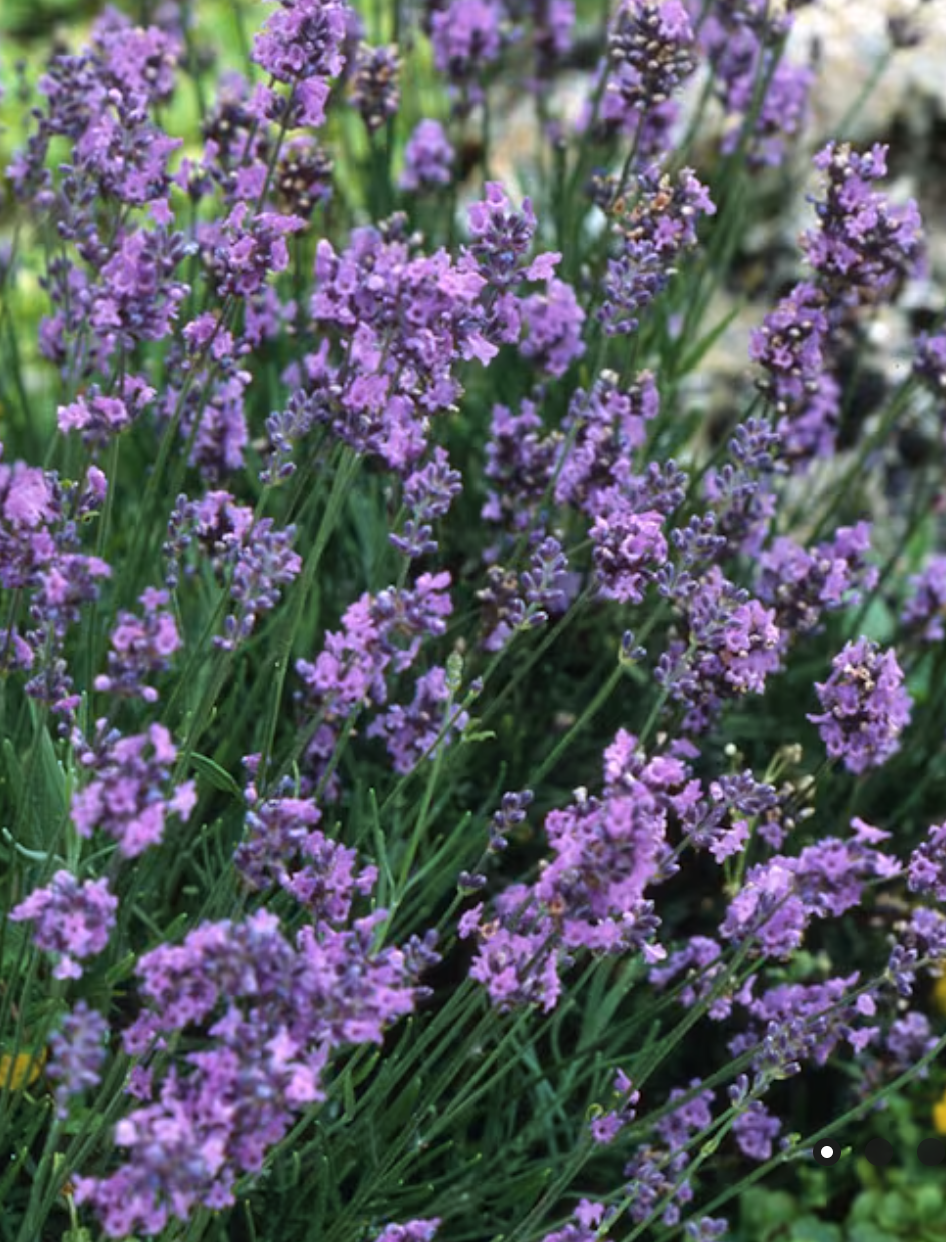
Lavender: February is the month for the patient gardener! 🧘♂️ Lavender seeds are hitting the trays this month. They take their time to germinate, but that heavenly scent and those dreamy purple blooms are well worth the wait. Whether you’re using it for tea, crafts, or just a beautiful border, Lavender is a non-negotiable for my 2026 herb garden. This year, I'm growing the Vera variety.
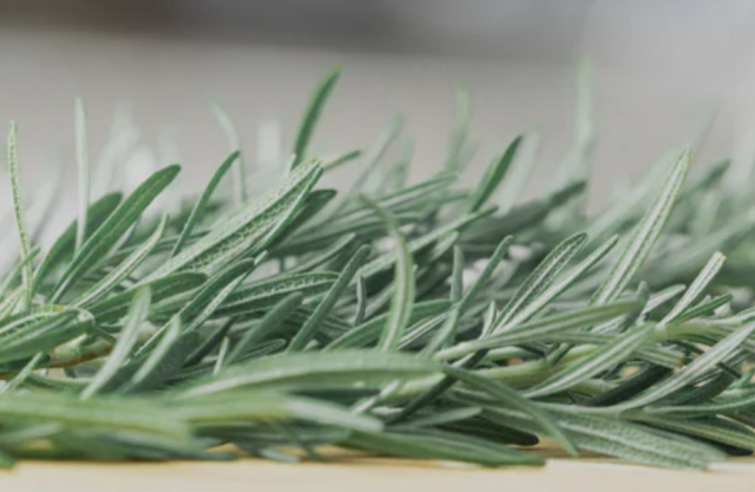
Rosemary: Nothing elevates a kitchen quite like the piney scent of fresh Rosemary. 🌿 It’s one of the slower seeds to get moving, so patience is key, but the payoff is legendary. Whether you're growing it for the kitchen or just for that incredible 'forest-after-the-rain' aroma, Rosemary is a must-sow this month. This year, I'm growing a standard herb variety.
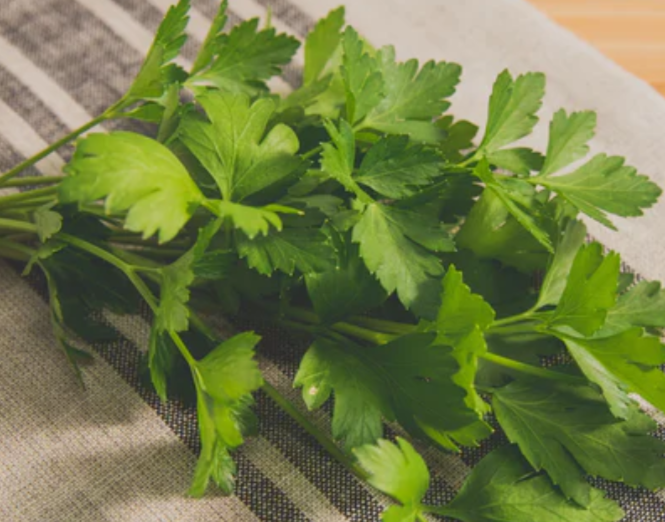
Parsley: Don't overlook the Parsley! 🌿 This kitchen staple is hitting the seed trays this February. It takes its time to germinate (patience is a gardening virtue!), but the reward is a summer-long supply of fresh flavor. It’s a biennial beauty that handles the cool spring air like a champ, making it one of the first 'TigreBlume' herbs to move out into the garden. This year, I'm growing an Italian variety.
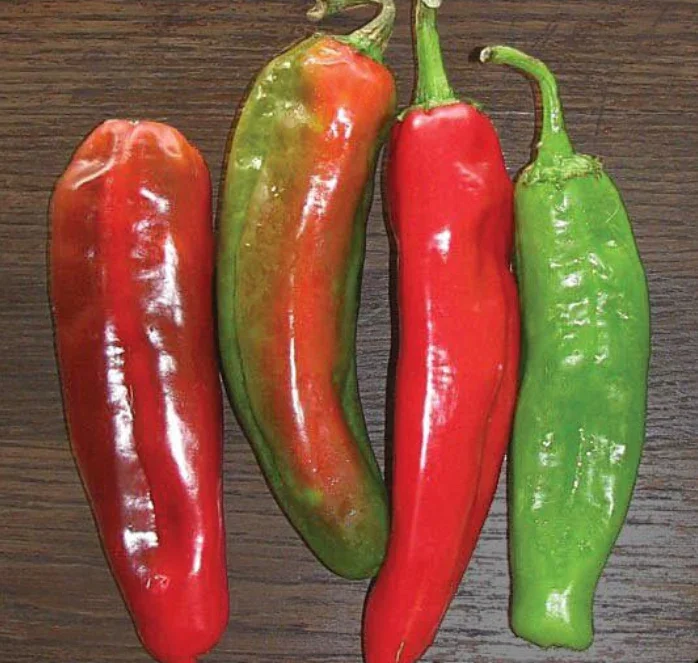
Spicy Peppers: If you like your garden with a little kick, February is your most important month. I'm sowing everything from the 'slow-burn' of the Jalapeño to the 'eye-watering' intensity of the Cayenne. Starting them in February allows these slow-growing tropicals to build a massive root system, ensuring they’ll be loaded with fruit the moment the summer humidity hits. This year, I'm growing the Anaheim Chile, Fish, Cayenne, Jalapeno, and Sheep nose Pimento varieties.
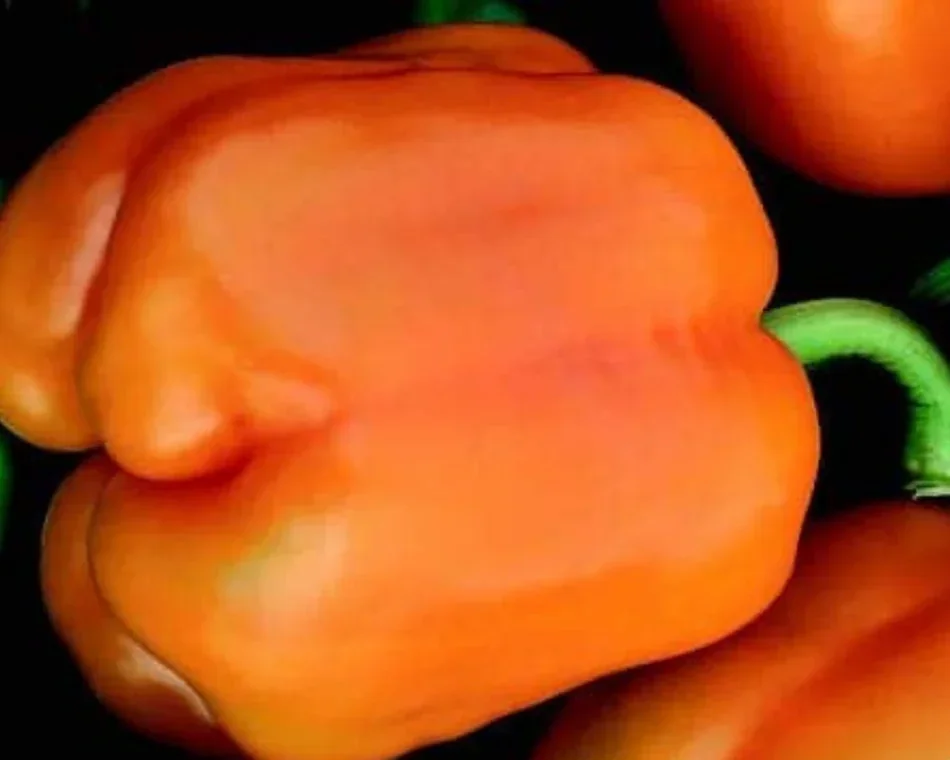
Sweet Peppers: Forget store-bought! There is nothing like the crisp, sugary snap of a sun-ripened sweet pepper. Whether you’re growing blocky Bells or elongated Italian sweets, February is the time to get them moving. These plants are the ultimate 'slow and steady' growers, and starting them now ensures they have the maturity to pump out fruit all through the dog days of August. This year, I'm growing the California Wonder, Goliath Sweet Orange, Ozark Giant and Store Bought Red/Orange Bell varieties.
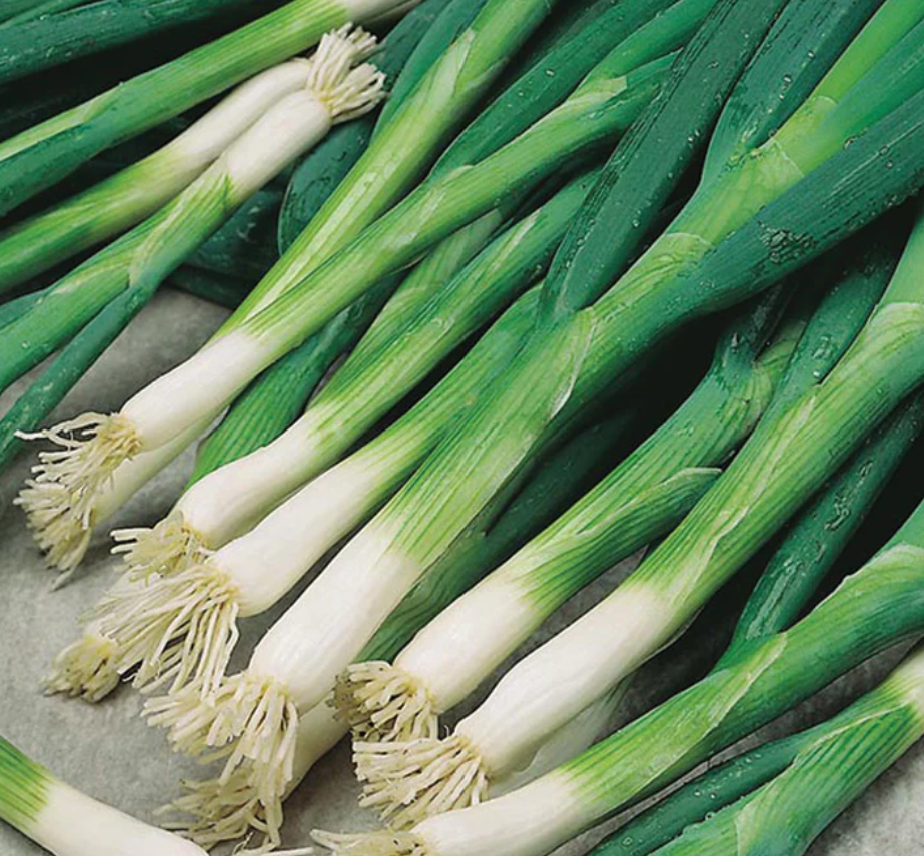
Scallions: If you’re looking for a little 'win' in the seed tray, look no further than scallions. These slender green stalks are among the first to pop up and say hello! By sowing them indoors this February, you’re ensuring a steady supply of that crisp, mild onion flavor that elevates everything from morning omelets to evening stir-fries. They are space-saving, high-yielding, and the perfect addition to a small-space garden. This year, I'm growing the Evergreen White Bunching Onion variety.
Quick Tips for Your February Sowing:
Mind the "Light" Gap: This month is a mix of seeds that need light to germinate (Coleus, Lobelia, Snapdragons, Lavender) and those that need total darkness (Violas, Verbena, Statice). Label your trays clearly so you don't accidentally bury the tiny light-lovers or leave the dark-lovers exposed!
The Heat Mat Shuffle: Your peppers (both Spicy and Sweet) and Dichondra will germinate much faster on a heat mat. However, once your Violas and Snapdragons sprout, move them to a cooler spot—they prefer the "chill" to prevent them from getting leggy.
The "Patience" Window: February seeds are notorious for being slow starters. Parsley, Rosemary, and Lavender can take 3 weeks or more to show signs of life. Don’t give up on those trays—keep them moist, keep them warm, and trust the process!
Record Everything: With 60-80 varieties planned for 2026, my Garden Planner is my best friend. Jot down the exact date you sowed each tray so you can track "Days to Germination" and plan your transplanting window for spring.