What You Can Direct Sow in The Month of March
By TigreBlume
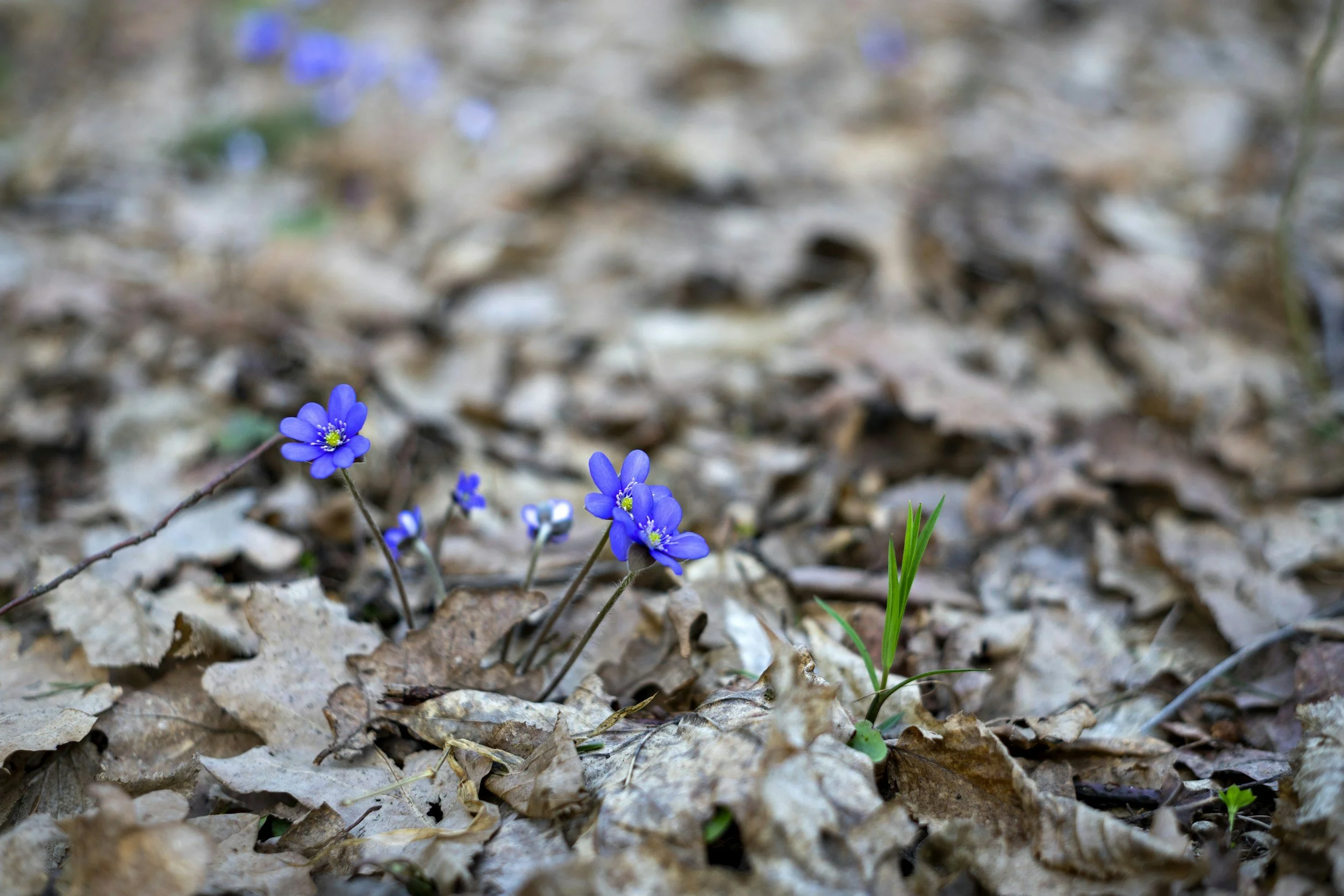
March is the bridge between the quiet of winter and the high-energy rush of spring, making it the perfect time to get your hands back into the soil. Whether you are still brushing snow off your garden beds in Zone 3 or already soaking up the sun in Zone 11, there is a diverse world of seeds ready to meet the earth right now. From frost-hardy greens that thrive in the chill to heat-loving blooms ready for a long southern season, this guide covers the essential vegetables, herbs, and flowers you can direct sow this month. Grab your garden planner and your favorite seeds—it’s time to start growing.
Here is a breakdown of common vegetables, herbs and flowers you can direct sow in March by USDA zone:
Zones 3–6 (Cool Climate Zones)
In these zones, gardeners can direct sow hardy, cool-season crops as soon as the soil is workable (soil temperatures of 45°F-50°F).
Vegetables:
Leafy Greens: Spinach, Lettuce, Kale, Arugula, Collard Greens, Mustard Greens, Swiss Chard, and Bok Choy.
Root Veggies: Carrots, Radishes, Beets, and Turnips.
Alliums: Onion sets and Leeks.
Legumes: Peas (snap, snow and shelling).
Herbs: Cilantro, Parsley, Dill, Fennel, Chives/Garlic Chives, Fennel, Lemon Balm, Chamomile, and Caraway.
Flowers: Hardy annuals and perennials like Poppies, Calendula, Bachelor’s Button, Sweet Alyssum, Larkspur, and Sweet Peas.
Zones 7–8 (The Mild Winter Zones)
In March, gardeners in zones 7-8 can direct sow hardy, cool-season crops that tolerate lingering frosts.
Vegetables:
Leafy Greens: Spinach, Kale, Lettuce, Collards Greens, Arugula, Swiss Chard, Mustard Greens, Asian Greens (Pak Choy, Bok Choy, Tatsoi)
Root Veggies: Carrots, Radishes, Beets, Turnips, and Parsnips.
Brassicas: Kohlrabi
Potatoes: Seed potatoes.
Alliums: Onion sets and seeds.
Legumes: Peas (english, snap, and snow),
Herbs: Cilantro, Parsley, Dill, Fennel, Chamomile, Chives/Garlic Chives, Sage, Thyme, Mint, Lavender, and Catnip.
Flowers: Poppies, Calendula, Sweet Peas, Larkspur, Bachelor’s Buttons, Sweet Alyssum, Marigolds and Cosmos.
Zones 9–11 (The Warm South)
In March, gardeners in zones 9-11 can directly sow both cool-season crops and early warm-season vegetables.
Vegetables
Leafy Greens & Others: Lettuce, Spinach, Kale, Arugula, and Swiss Chard.
Root Veggies: Carrots, Radishes, Beets, Turnips, Parsnips, Kohlrabi, Rutabaga.
Alliums: Onion sets.
Legumes: Peas (snow, snap, pole).
Others: Celery, Cucumbers, Summer Squash, Zucchini, and Corn.
Potatoes: Seed potatoes.
Herbs: Parsley, Cilantro, Dill, Fennel, Basil, Borage, Chives, Garlic Chives, Oregano, Thyme, Mint, Rosemary, Sage, Lemon Balm, Lavender, Fennel, and Tarragon.
Flowers: Sunflowers, Zinnias, Marigolds, Cosmos, Nasturtiums, Celosia, Gomphrena, Calendula, Sweet peas, Alyssum, and Poppies.
Tip: Always check your local "Last Frost Date" before sowing. If your soil is still workable but a deep freeze is predicted, a simple layer of mulch or a row cover can give your March seeds the extra protection they need to thrive.