The 4 Pillars of Seedling Care: From First Sprout to Garden Ready
By TigreBlume
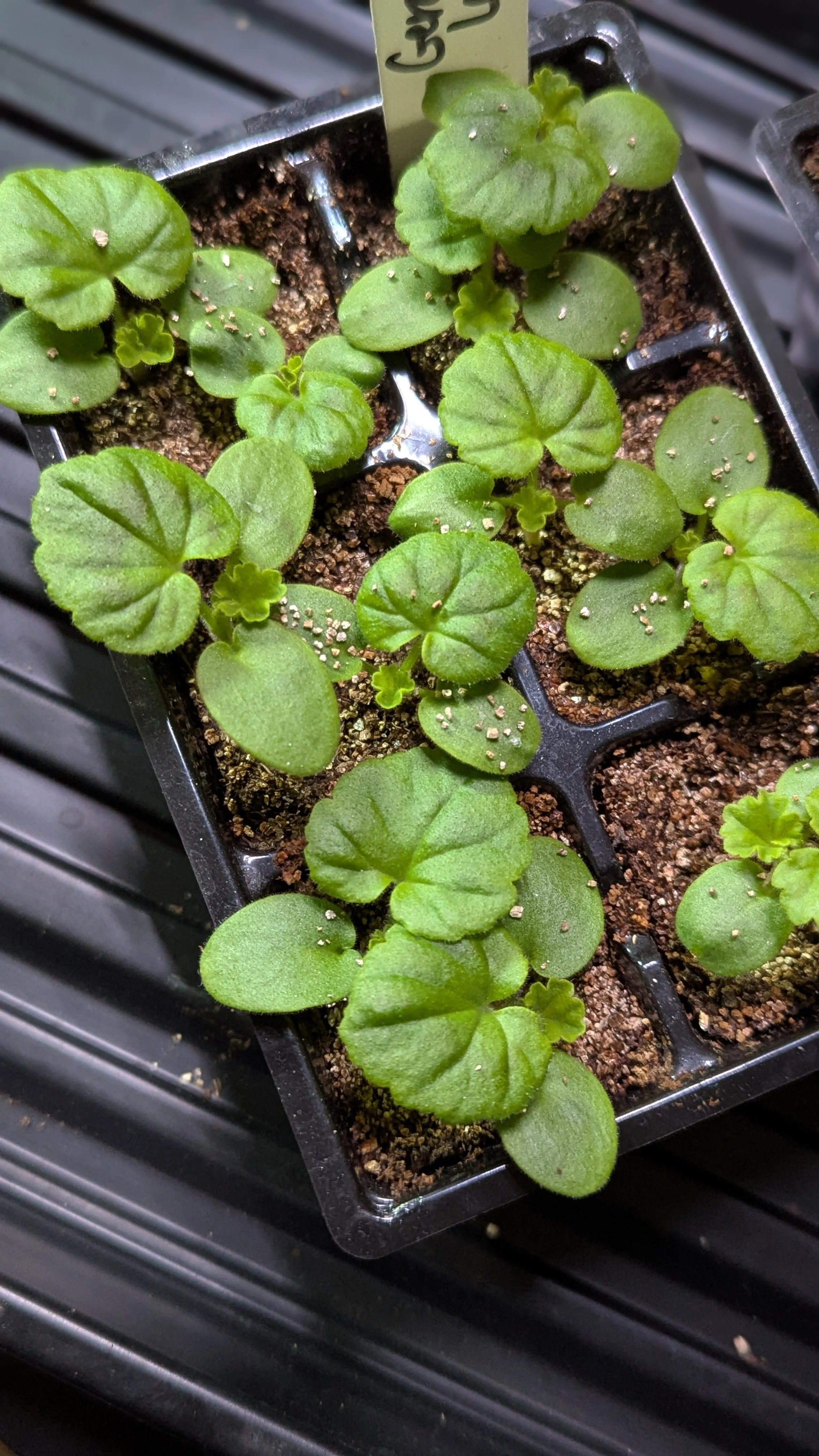
Starting seeds indoors is a bit like bringing home a newborn—exciting, slightly terrifying, and full of "is this normal?" moments. Whether you’re growing my favorite paste tomatoes for sauce or diving into those giant zinnias, the first few weeks are critical.
If you’ve noticed your seedlings stretching for the light or mysteriously falling over, you aren't alone. Here is my "unconventional" guide to the four pillars of seedling success.
Lighting: The 16-Hour Rule
Indoor grow lights are great, but they aren't the sun. To compensate for the lower intensity, we have to play with time.
Duration: Keep your lights on for 14–16 hours a day.
The Dark Secret: Plants need a "dark period" to perform cellular respiration. This is when they take the energy they stored during the day and actually use it to build new cells and roots.
Proximity: If your seedlings are "leggy" (tall, thin, and floppy), your light is too far away. Aim to keep your shop lights just 2–3 inches above the tops of the plants.
Watering: The Bottom-Up Approach
Surface watering with a can is the quickest way to invite Damping Off—a fungal disease that makes stems shrivel at the soil line.
Bottom Watering: Fill your bottom tray with about a 1/2 to 1 inch of water and let the cells soak it up through the drainage holes.
The Sponge Test: The soil should feel like a wrung-out sponge—damp, but not dripping. If the top of the soil looks fuzzy or green, you’re overwatering!
Airflow: Exercise for Stems
In the garden, wind strengthens a plant's "trunk." Indoors, we have to simulate that.
The Fan Trick: Place a small oscillating fan near your seedling station. A gentle breeze prevents stagnant air (where mold thrives) and stresses the stems just enough to make them grow thick and woody rather than thin and weak.
Feeding: Don't Rush the "Lunchbox"
I see so many gardeners fertilize the moment they see green. Wait!
Cotyledons: Those first two heart-shaped leaves are basically "lunchboxes" filled with all the nutrients the seed needs to start.
True Leaves: Only begin a diluted liquid fertilizer (about 1/4 strength if highly concentrated) or low strength balanced fertilizer (2-2-2) once the first set of true leaves (the ones that actually look like the plant) appears.
💡Troubleshooting Common Issues
Symptom Probable Cause Fix
Purple Stems/Leaves Temperature or Phosphorus deficiency Check for cold drafts or light feeding.
Yellowing Leaves Overwatering or Lack of Nitrogen Let the soil dry out; check your feeding schedule.
Falling Over (Dead) Damping Off (Fungus) Increase airflow and switch to bottom watering.