5 Herbs You Need to Grow in 2026 (Easy and Multi-Use)
By TigreBlume
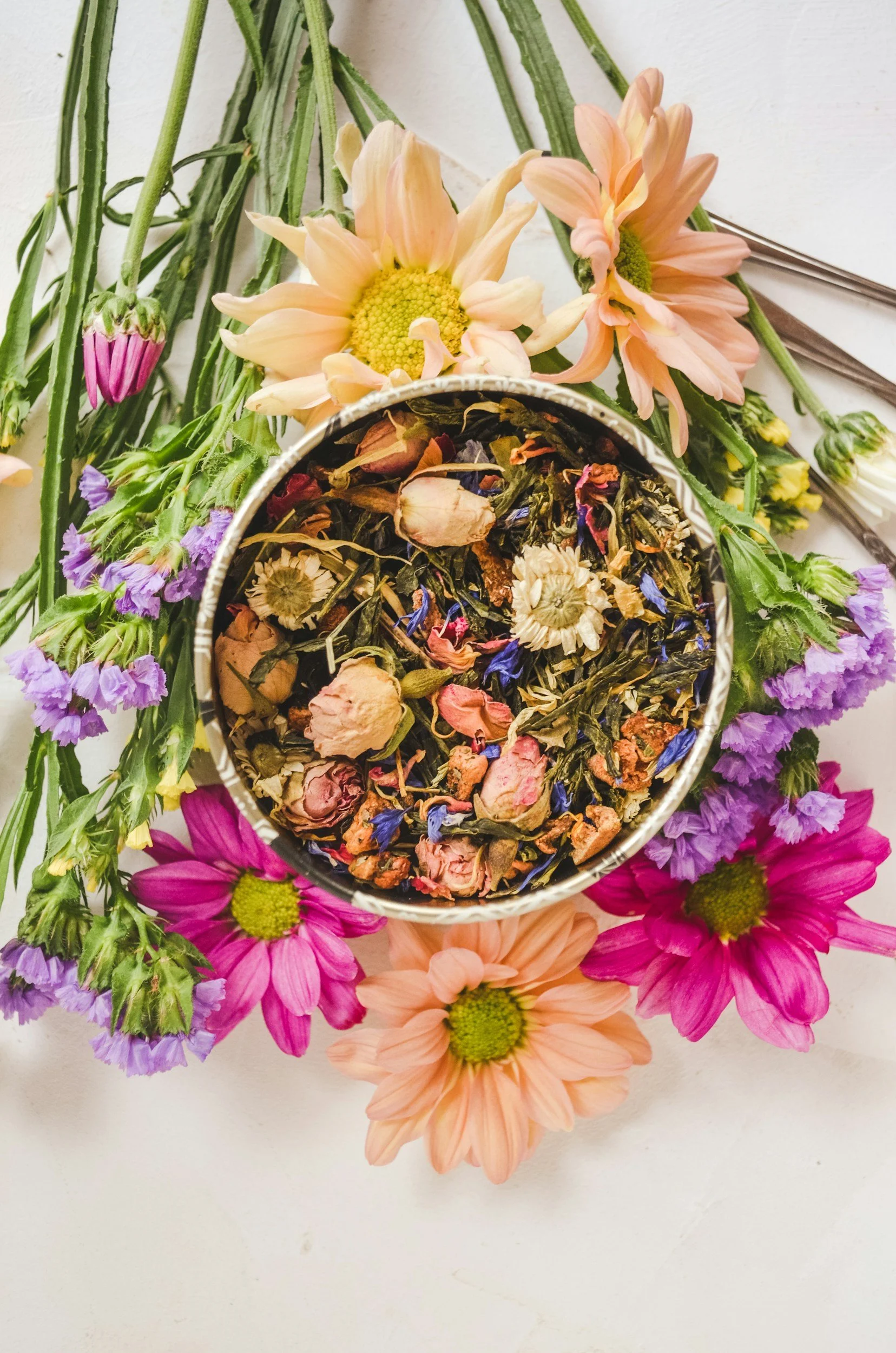
Want an herb garden that works harder than you do?
These 5 herbs are easy to grow, thrive on neglect, and will stock your kitchen and home apothecary all year long.
Oregano | Perfect for pizza, but even better dried for immune-boosting tea.
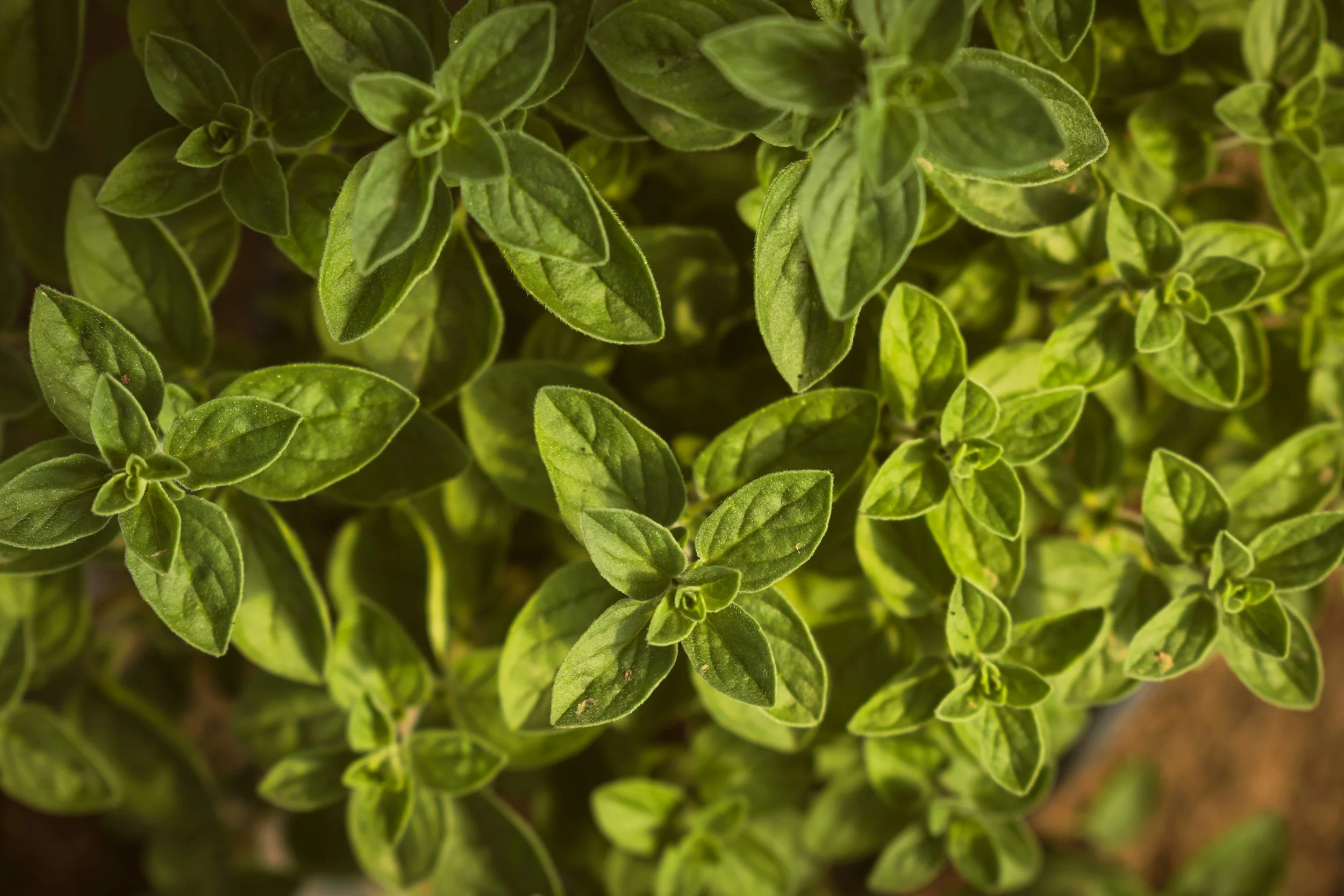
💠Growing from Seed: To get a head start on the 2026 growing season, you’ll want to start your oregano seeds indoors 6 to 8 weeks before the last spring frost. Oregano seeds are tiny and need light to germinate, so don’t bury them! Simply press them into the surface of a moist seed-starting mix. If you’re direct-sowing in the garden, wait until the soil has warmed up to at least 60°F to 70°F.
💠Preferred Growing Conditions: Oregano is a Mediterranean native, and prefers full sun—at least 6 to 8 hours a day—and well-draining soil. In fact, oregano is one of the few plants that actually tastes better when grown in slightly "lean" or sandy soil; if the soil is too rich in nitrogen, the flavor can become mild. Once established, it is incredibly drought-tolerant, making it one of the most resilient plants in your 2026 garden.
💠Harvesting: While you can snip leaves anytime, the ideal time to harvest for maximum potency is right before the plant flowers, usually in mid-summer. This is when the essential oils (carvacrol and thymol) are at their peak concentration. For the best flavor, harvest in the mid-morning after the dew has dried but before the sun gets too hot.
💠Preservation Tips: Oregano is one of the rare herbs that often tastes better dried than fresh. To preserve it:
Air Dry: Bundle the stems and hang them upside down in a warm, dry place out of direct sunlight.
Dehydrate: Place in the dehydrator at 95°F to 115°F for 2-5 hours (or as per your device instructions). This low heat mimics a very hot summer day. Anything over 125°F begins to destroy the delicate oils you need for your salves and cooking.
Storage: Once the leaves crumble easily, strip them from the stems and store them in an airtight glass jar or mylar storage bag. Properly dried oregano will keep its flavor and medicinal properties for at least a year, taking you all the way to the next harvest. I also recommend adding an oxygen absorber or two (depending on the quantity of dried herbs) to your storage container of choice to ensure long lasting freshness.
💠Medicinal and Skincare Uses: Oregano isn't just for pizza—it’s a powerhouse for the home apothecary:
Medicinal: It is naturally antimicrobial and antifungal. A warm oregano tea is a classic remedy for coughs, sore throats, or digestive upset.
Skincare: Because it is so antibacterial, infused oregano oil is a fantastic addition to salves for minor skin irritations.
Body Oil: You can create a "warming" body oil by infusing dried oregano into jojoba oil to help soothe tired muscles or as a natural foot rub to keep fungal issues at bay.
Cilantro | Fresh in your salsa, or blended into smoothies to help detox the body.
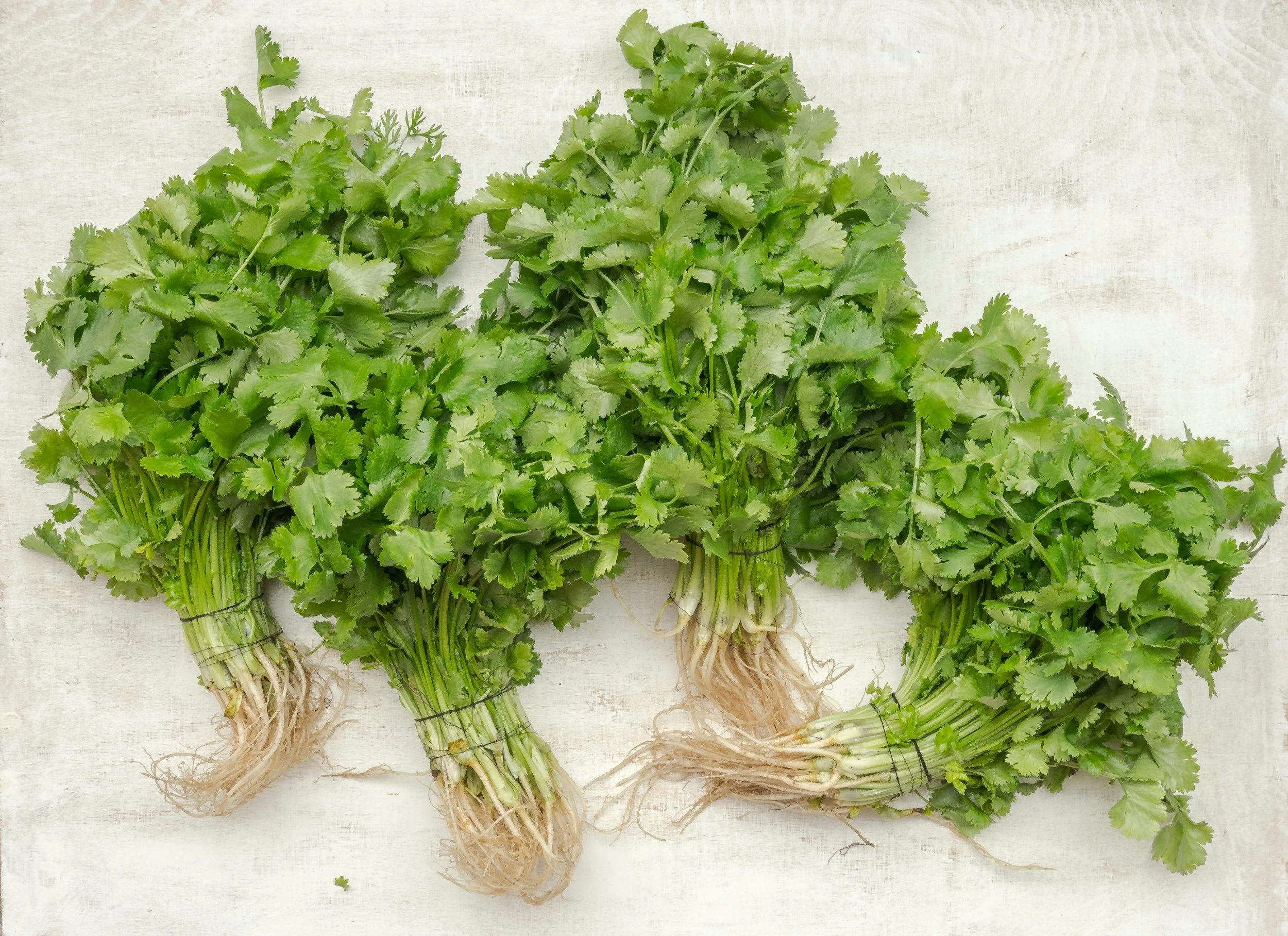
Cilantro is the "wild child" of the herb garden—it grows fast, bolts quickly, and offers two distinct harvests in one plant. Here is how to master it in 2026.
💠Growing from Seed: Unlike oregano, cilantro has a long taproot and hates being moved, so direct sowing is usually best. Start seeds outdoors as soon as the soil is workable in early spring. It thrives in the "cooler months" when temperatures are between 50°F–70°F. If you are like me and prefer to start them indoors, place your seeds in a cold fridge for about 2-3 weeks before you intend to sow them so they can go through a period of cold stratification, which will aid germination. If you live in a warm climate or plan to plant them outdoors during the warmer months, try using a Slo-Bolt variety, as it is more heat tolerant.
💠Preferred Growing Conditions: Cilantro prefers full sun to part shade. In the heat of mid-summer, giving it some afternoon shade will actually prevent it from "bolting" (going to seed) too quickly. It loves moist, well-drained soil. If you are growing indoors, ensure it has a deep pot to accommodate that long taproot.
💠Harvesting:
The Leaves: Harvest the outer leaves once the plant is about 6 inches tall. Never take more than one-third of the plant at a time if you want it to keep producing.
The Seeds: Once the weather gets hot, the plant will produce white flowers and then round green seeds. Let these turn brown on the plant—you’ve just harvested Coriander! (You can also save the seeds and use them to start more cilantro plants!)
💠Preservation Tips: Cilantro is notorious for losing flavor when dried, so the best way to preserve it is by freezing it:
The Oil Cube Method: Pulse fresh cilantro with a little olive oil in a blender, pour the mix into ice cube trays, and freeze. Pop a cube into soups or curries all winter long for that "just-picked" taste.
💠Medicinal and Skincare Uses: Cilantro is world-renowned in the wellness community for its ability to bind to heavy metals.
Medicinal: It is a powerful heavy metal detoxifier. Adding fresh cilantro to smoothies or making a cilantro tincture can help the body naturally eliminate toxins like mercury and lead.
Skincare: Cilantro is surprisingly cooling and anti-inflammatory. A cilantro-infused water can be used as a facial toner to soothe irritated skin or reduce puffiness.
Apothecary: Use the crushed seeds (coriander) in a warming digestive tea or infuse them into body oils for a spicy, woody scent that aids circulation.
Parsley | More than a side dish—it’s a vitamin powerhouse for fresh salads and skin tonics.
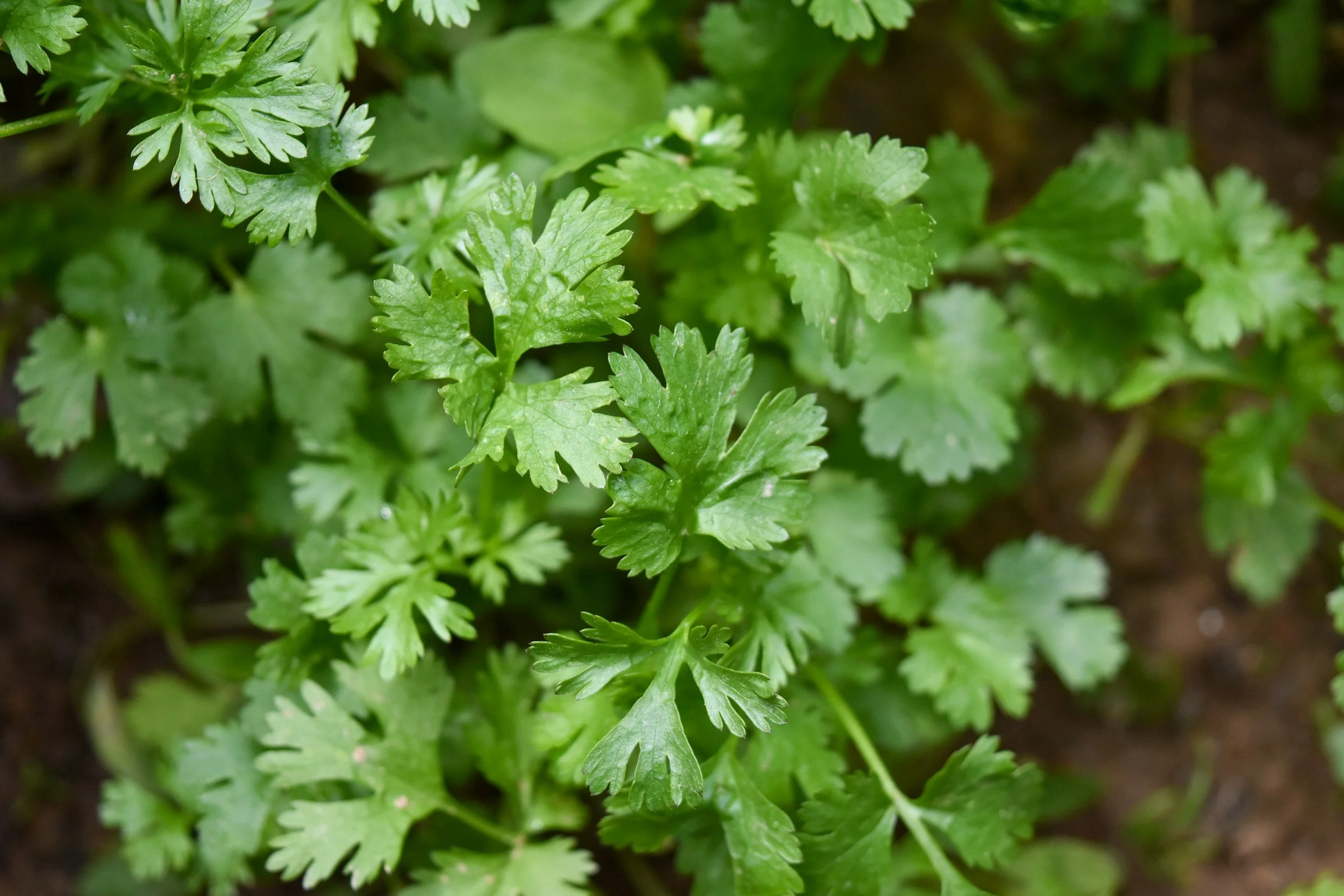
Parsley is often dismissed as a lonely garnish on a plate, but in 2026, we recognize it as a nutritional powerhouse and one of the hardiest "survival" herbs in the garden.
💠Growing from Seed: Parsley is famous for being a slow starter. Start your seeds indoors 8 to 10 weeks before the last frost.
The Secret: Parsley seeds have a tough outer coating. Soak them in warm water for 24-36 hours before planting to "wake them up" and speed up germination. Don't be discouraged if you don't see sprouts for 3 weeks—it’s just taking its time!
💠Preferred Growing Conditions: Parsley is the ultimate "middle-ground" plant. It loves rich, moist soil and full sun to partial shade. Because it is a biennial (it lives for two years), it is incredibly frost-tolerant. In many zones, it will stay green and harvestable even under a light dusting of snow, making it your longest-producing herb of the year.
💠Harvesting: You can start harvesting once the plant has three main segments.
Technique: Always harvest from the outermost stalks first, cutting them near the base. Leave the inner, new growth to keep the plant producing. If you harvest from the center, you can stunt the plant's growth.
💠Preservation Tips: Like cilantro, parsley’s delicate flavor is best preserved through cold or salt:
The Pesto Base: Blend parsley with garlic and oil and freeze in small portions.
Herb Salt: Grind fresh parsley with sea salt and spread it thin to dry. The salt preserves the bright green color and the nutrients, giving you a "power-salt" for winter stews.
Drying: If you do dry it, keep it in a dark place. It’s highly sensitive to light and will turn yellow (losing its vitamins) if exposed to the sun.
💠Medicinal and Skincare Uses: Parsley is packed with vitamins A, C, and K, making it a "multivitamin" in plant form.
Medicinal: It is a natural diuretic. A strong parsley tea helps flush the kidneys, reduces bloating, and can even help freshen breath instantly by neutralizing sulfur compounds.
Skincare (The "Glow" Tonic): Parsley is high in vitamin C and chlorophyll. An infused parsley water (cooled) makes a brilliant brightening facial toner to help fade dark spots and reduce redness.
Hair Care: A strong parsley tea used as a final hair rinse adds incredible shine and can help balance the scalp’s oil production.
Rosemary | Use it for roasted vegetables and meats, or infuse it into oil for an amazing scalp stimulating treatment.
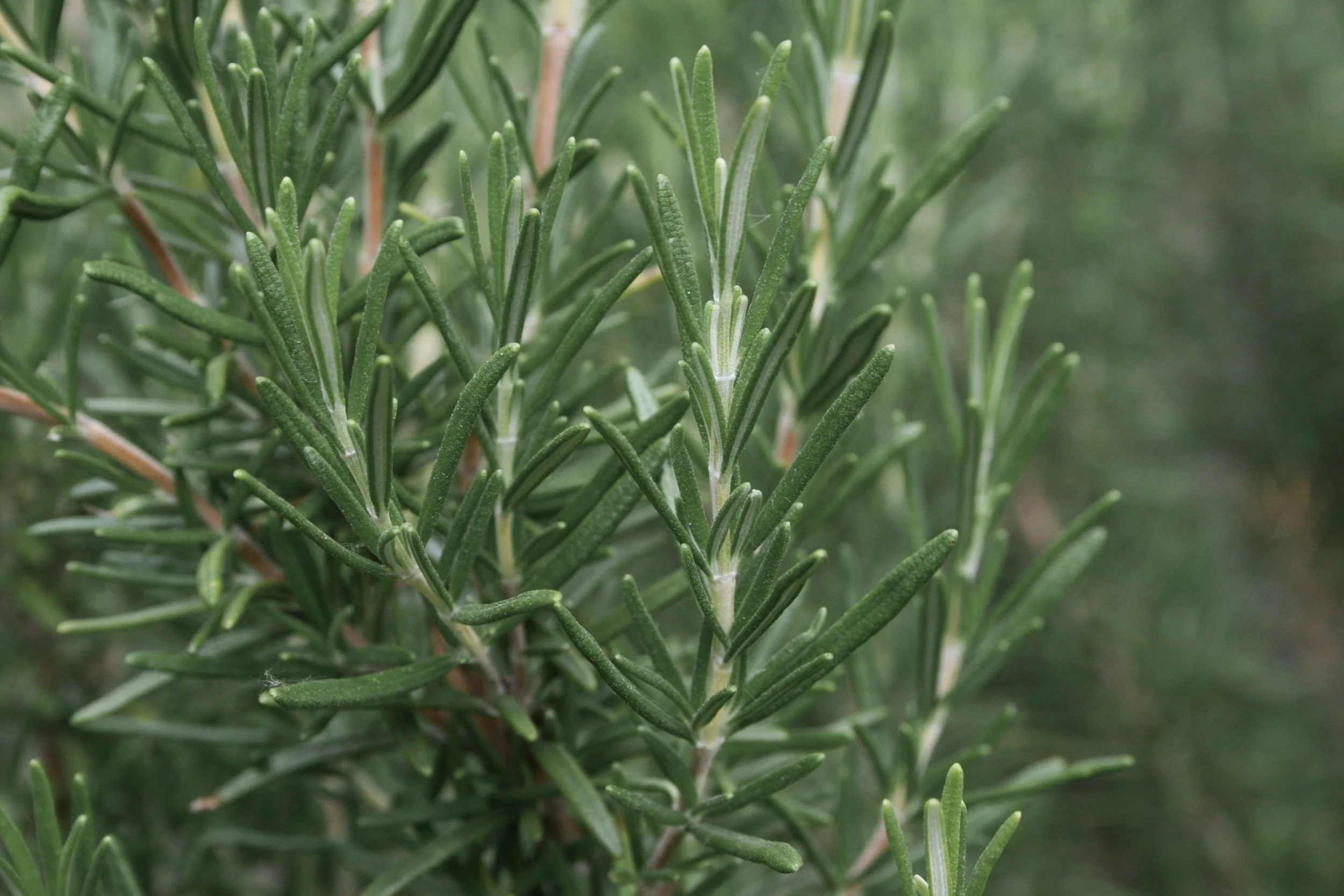
Rosemary is the "Iron Man" of the herb world. In 2026, it’s a garden staple because it thrives in changing climates and provides high-value harvests for both your kitchen and your vanity.
💠Growing from Seed: Growing rosemary from seed is notoriously difficult and slow—it has a very low germination rate.
The 2026 Pro-Tip: Most gardeners prefer starting from cuttings or buying a small "starter" plant. However, if you are determined to grow from seed (like me!), start them indoors at least 10–12 weeks before the last frost. Keep the soil warm (using a heat mat helps) and be patient; they can take up to a month just to sprout!
💠Preferred Growing Conditions: If you want to kill rosemary, give it too much love (and water). It prefers well-drained, sandy, or rocky soil and blazing full sun.
The "Dry Feet" Rule: Once established, rosemary is extremely drought-tolerant. It’s perfect for those forgotten corners of the garden or pots on a sunny patio. It’s a woody perennial, meaning it will grow into a sturdy shrub that lasts for years.
💠Harvesting: Because rosemary is an evergreen, you can harvest it all year long.
Technique: For the best flavor and oil content, snip the top 2–3 inches of the young, green stems. Avoid cutting into the old, woody base of the plant unless you are pruning for shape, as the new growth is where the aromatic oils are most concentrated.
💠Preservation Tips: Rosemary preserves beautifully because of its low moisture content.
Air Dry: Simply tie the branches together and hang them in a dry spot. They dry quickly and maintain their intense piney aroma.
Dehydrate: Place in the dehydrator at 95°F to 115°F for 2-4 hours (or as per your device instructions). This low heat mimics a very hot summer day. Anything over 125°F begins to destroy the delicate oils you need for your salves and cooking.
Infused Salts & Sugars: Layer fresh needles in a jar of sea salt to create a "finishing salt" that smells like a gourmet kitchen.
💠Medicinal and Skincare Uses: Rosemary is arguably the most versatile "apothecary" herb in your garden.
Medicinal: Known as the herb of "remembrance," drinking rosemary tea or even just smelling the fresh leaves is shown to improve focus and memory. It’s also a great digestive aid after a heavy meal.
Skincare & Hair Care: This is where rosemary shines in 2026. Rosemary hair oil is a viral sensation for a reason—it stimulates blood flow to the scalp and promotes hair growth.
Apothecary: Use a strong rosemary infusion as a natural disinfectant for home cleaning sprays, or mix it into a "warming" body oil to soothe sore joints and muscles after a workout.
Lavender | Great for floral baking, but essential for making your own sleep inducing salves and soothing body oils.
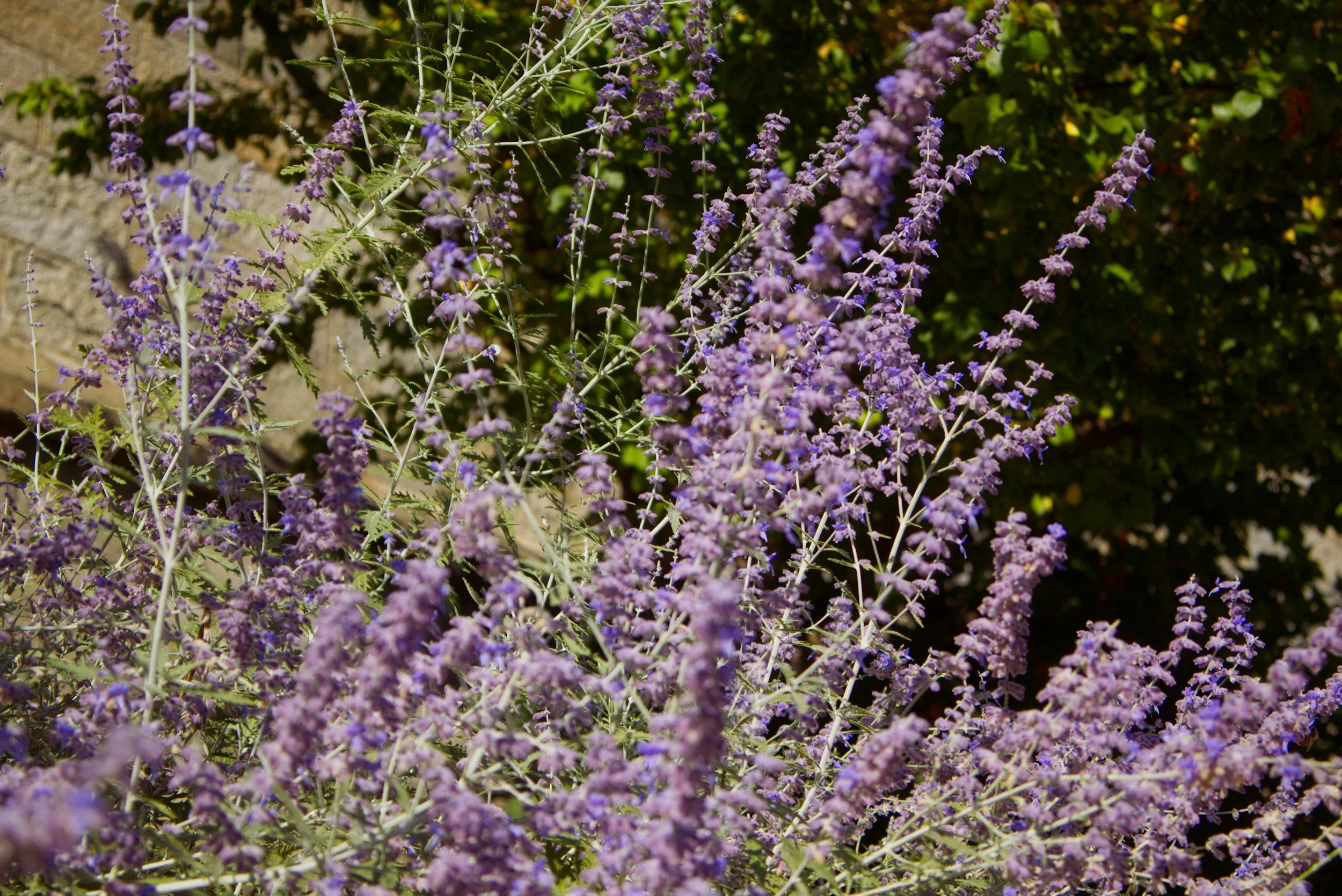
Lavender is the crown jewel of the multi-purpose garden. In 2026, it’s a favorite not just for its iconic scent, but for its ability to survive heatwaves and provide a year-round "home spa" experience.
💠Growing from Seed: Lavender seeds have a secret: they love a "winter chill" before they wake up.
The Stratification Trick: For the best results, place your seeds in the fridge for 3–4 weeks before planting. This mimics winter and tells the seed it’s time to grow. Start them indoors 10–12 weeks before the last frost.
💠Preferred Growing Conditions: Lavender is a "minimalist." It hates "wet feet" and rich fertilizers.
The 2026 Strategy: Plant it in the sunniest spot you have with excellent drainage. If your soil is heavy clay, plant your lavender in a raised bed or a pot with plenty of grit or sand mixed in. Once established, it is incredibly drought-resistant and will reward you with blooms year after year.
💠Harvesting: To get the most out of your lavender, timing is everything.
For Drying/Oils: Harvest when the bottom third of the flower spike has just started to open. This is when the essential oils are most concentrated. If you’re harvesting the leaves - strip the leaves from the woody stems before drying.
Technique: Cut the stems long, just above the first set of leaves. Harvest in the morning after the dew has evaporated but before the afternoon sun "bakes" the oils away.
💠Preservation Tips: Lavender is the easiest herb to preserve.
Air Drying: Tie small bundles with twine and hang them upside down in a dark, airy place. In about two weeks, they’ll be perfectly dry.
Dehydrate:
Lavender Buds (Flowers): Place in the dehydrator at 95°F-104°F for 2-4 hours (or as per your device instructions). Lavender is extremely heat-sensitive. You want to use the lowest possible setting on your dehydrator to keep the color bright purple and the scent "true."
Leaves: Place in the dehydrator at 95°F-104°F for 1-3 hours (or as per your device instructions).
The "Rub" Method: Once dry, you can rub the "buds" (the actual flowers) off the stems. The leaves are much thinner than the buds and dry very quickly. They should feel like dry paper and crumble into dust when squeezed. Store in airtight jars or mylar storage bags to keep the scent fresh for up to two years!
💠Medicinal and Skincare Uses: Lavender is the heavy hitter of the home apothecary.
Culinary: Use "Culinary Lavender" (like Munstead or Hidcote varieties) to make lavender-infused honey or floral syrups for lattes and cocktails.
Medicinal: Lavender tea is a world-class sleep aid and anxiety reducer. It’s also great for soothing a "nervous stomach."
Skincare & Salves: Lavender is one of the few essential oils that is gentle on the skin. A lavender-infused body oil or salve is a "must-have" for treating minor burns, bee stings, and dry skin, or simply for a relaxing temple rub before bed.
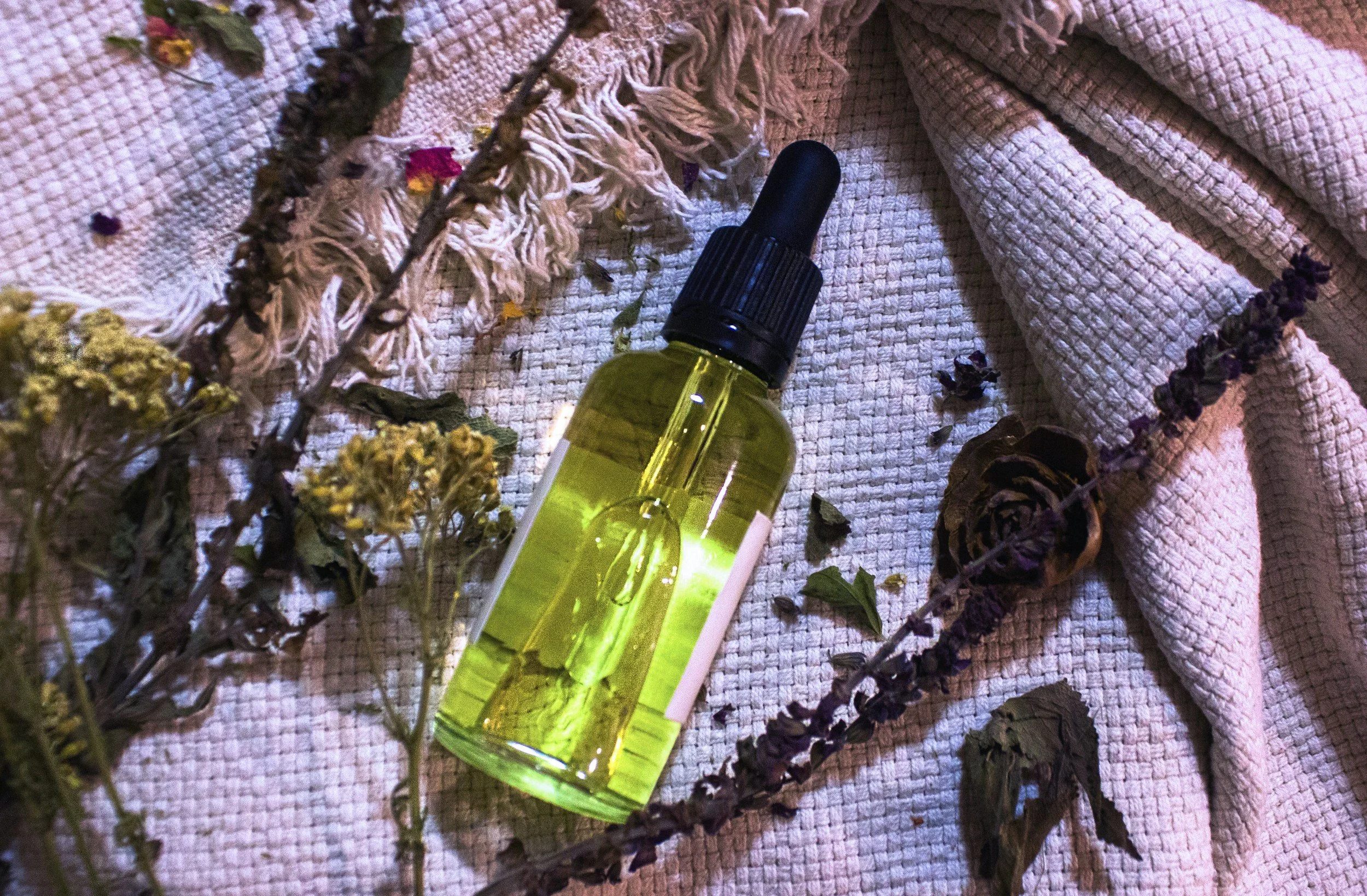
Final Thoughts 💚💚
So, there you have it—the 'Big Five Herbs' for 2026. These aren't just plants; they are your kitchen staples, your skincare routine, and your home apothecary, all in one. The best part? You don’t need a massive farm or a perfect green thumb. Whether you have a sunny windowsill or a backyard plot, these five are the most resilient, high-reward herb plants you can start today.
💡Pro-tip: Always pick your herbs after the dew has dried but before the sun is at its peak. This is when the essential oils are most concentrated, ensuring your teas and oils are as potent as possible!
