The "One and Done" Flower: Why Petunias Are My Window Box MVP
By TigreBlume
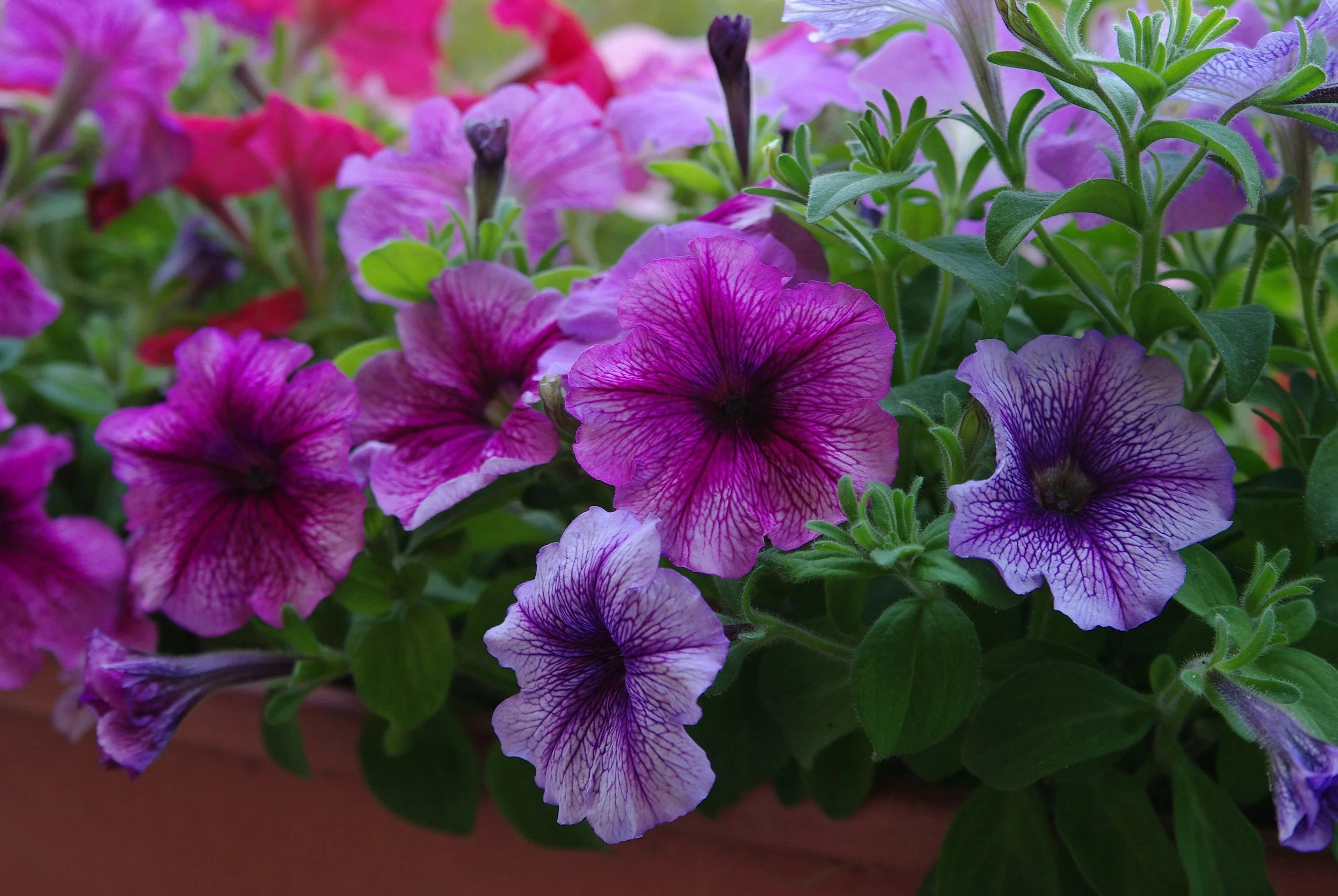
If gardening has taught me anything since I started in 2016, it’s that you have to be ready to pivot. This year, my window boxes are going to be a display of vibrant, trailing color, but the journey to get there took a little bit of a "Plan B."
The Lineup: Yellows, Plums, and Velours
My 2026 petunia plan is built around three incredible hybrid varieties, each chosen for their ability to spill beautifully over the edges of my window boxes:
Easy Wave Yellow: Started in late January, these are my early birds. They have a classic spreading habit that will provide a bright, sunny foundation.
Easy Wave Plum Pudding Mix & Wave Carmine Velour: After two other varieties failed to germinate in January, I didn't miss a beat. During the first week of February, I started these hybrids to fill the gap. The deep, rich tones of the Carmine Velour paired with the soft pink shades of the Plum Pudding are going to be a showstopper.
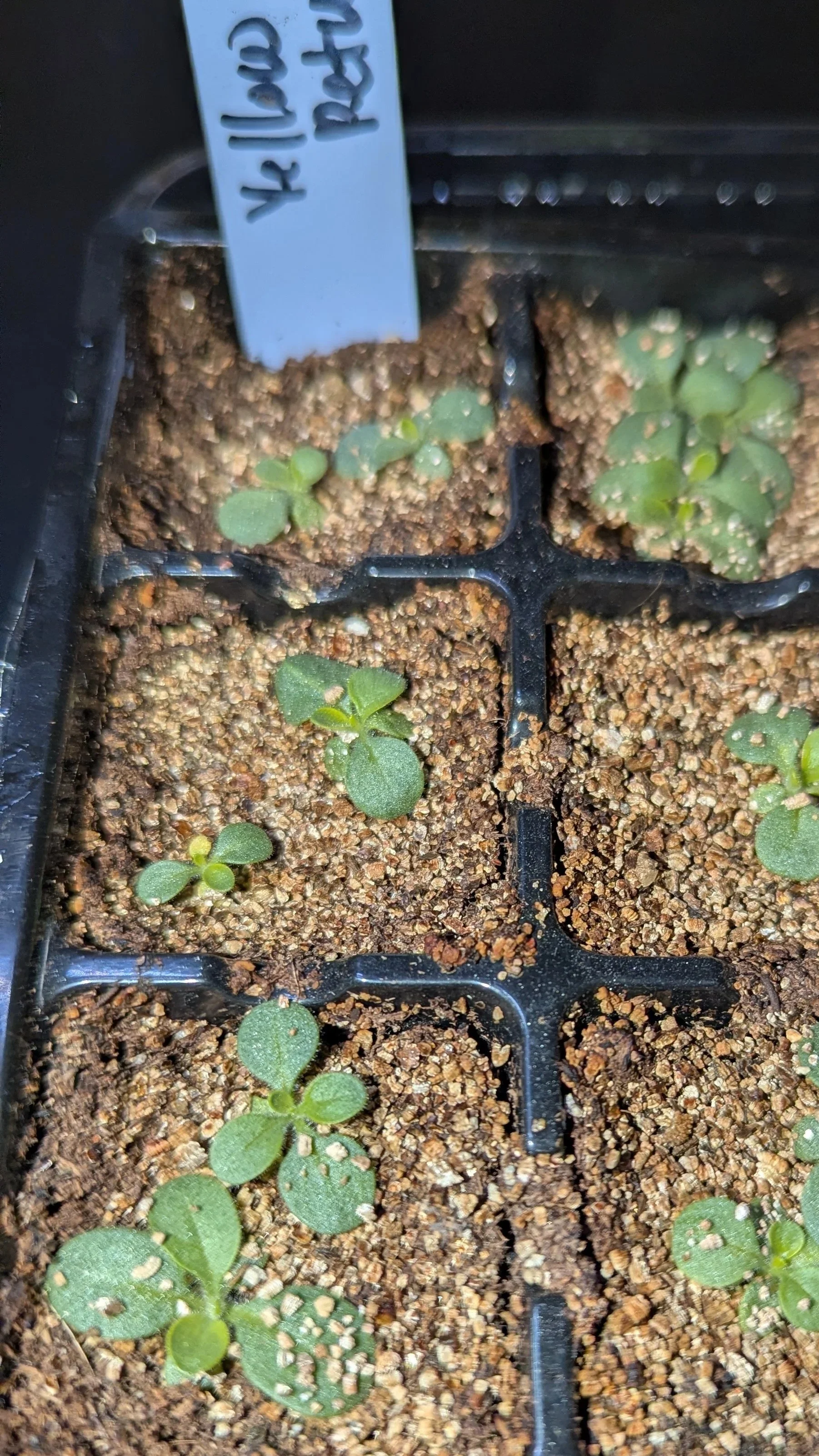
TigreBlume: February 2026
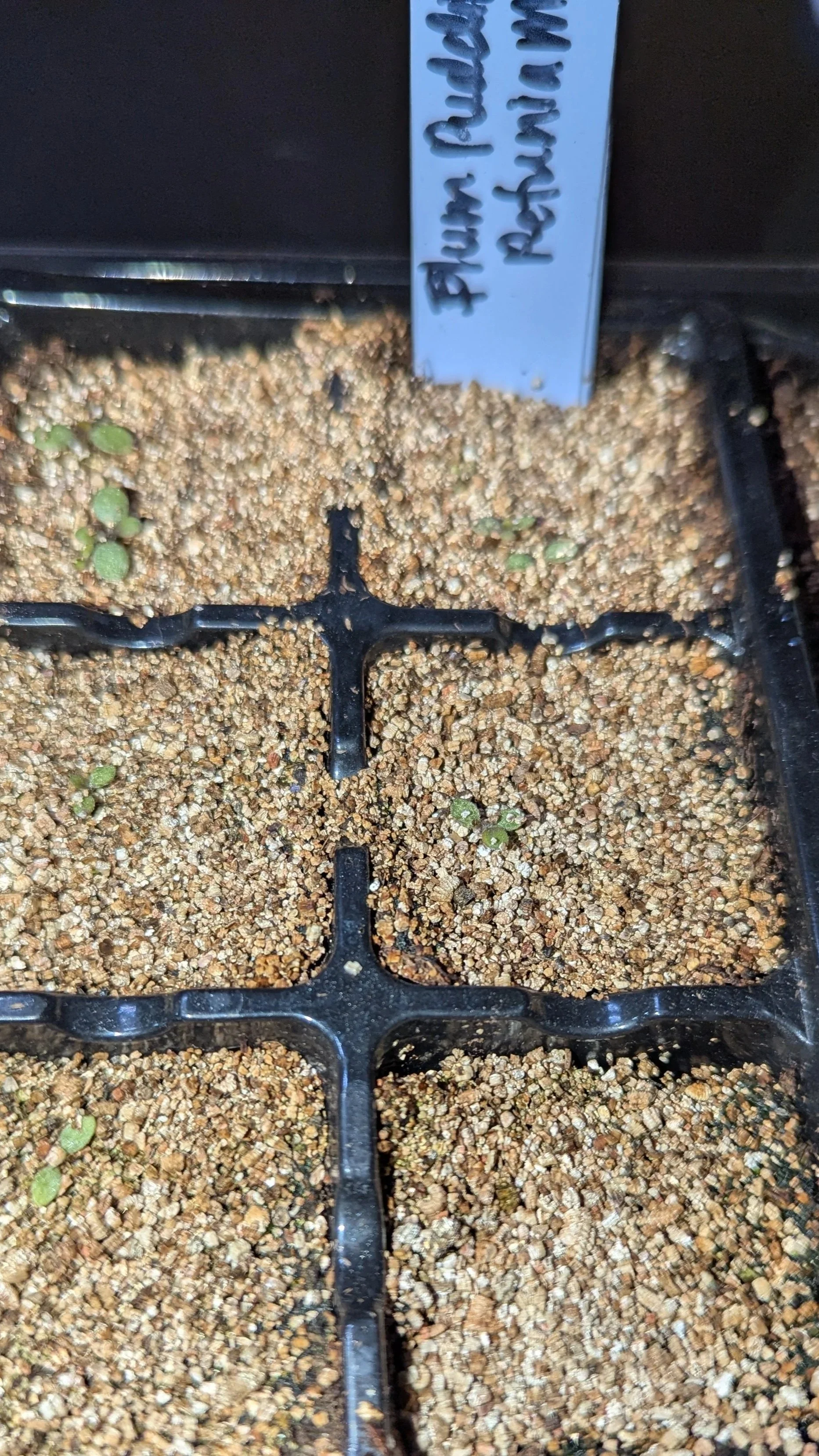
TigreBlume: February 2026
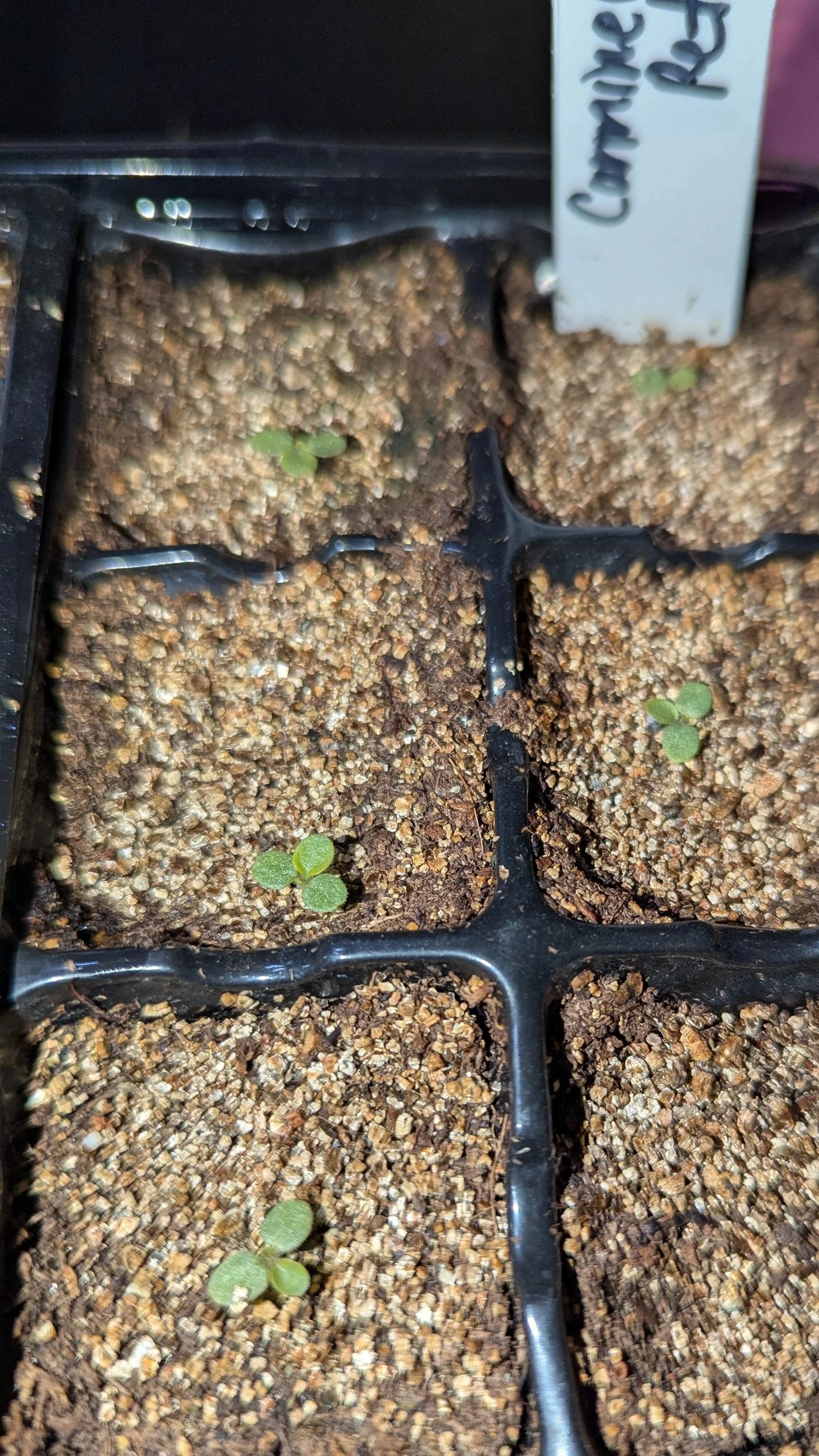
TigreBlume: February 2026
The Growth Phase: Giving Roots Room to Run
Success with petunias starts below the soil line. To ensure these hybrids have the "engine" they need to produce nonstop flowers, I’ve been diligent about up-potting them:
The Easy Wave Yellows moved into their larger nursery pots on February 26.
The Plum Pudding and Carmine Velours followed close behind on March 5.
By giving them this extra space in my basement grow room, I’m ensuring that by the time they hit the outdoor window boxes, they’ll have the robust root systems required to handle the summer heat. See image below for glimpse of what they are currently looking like!
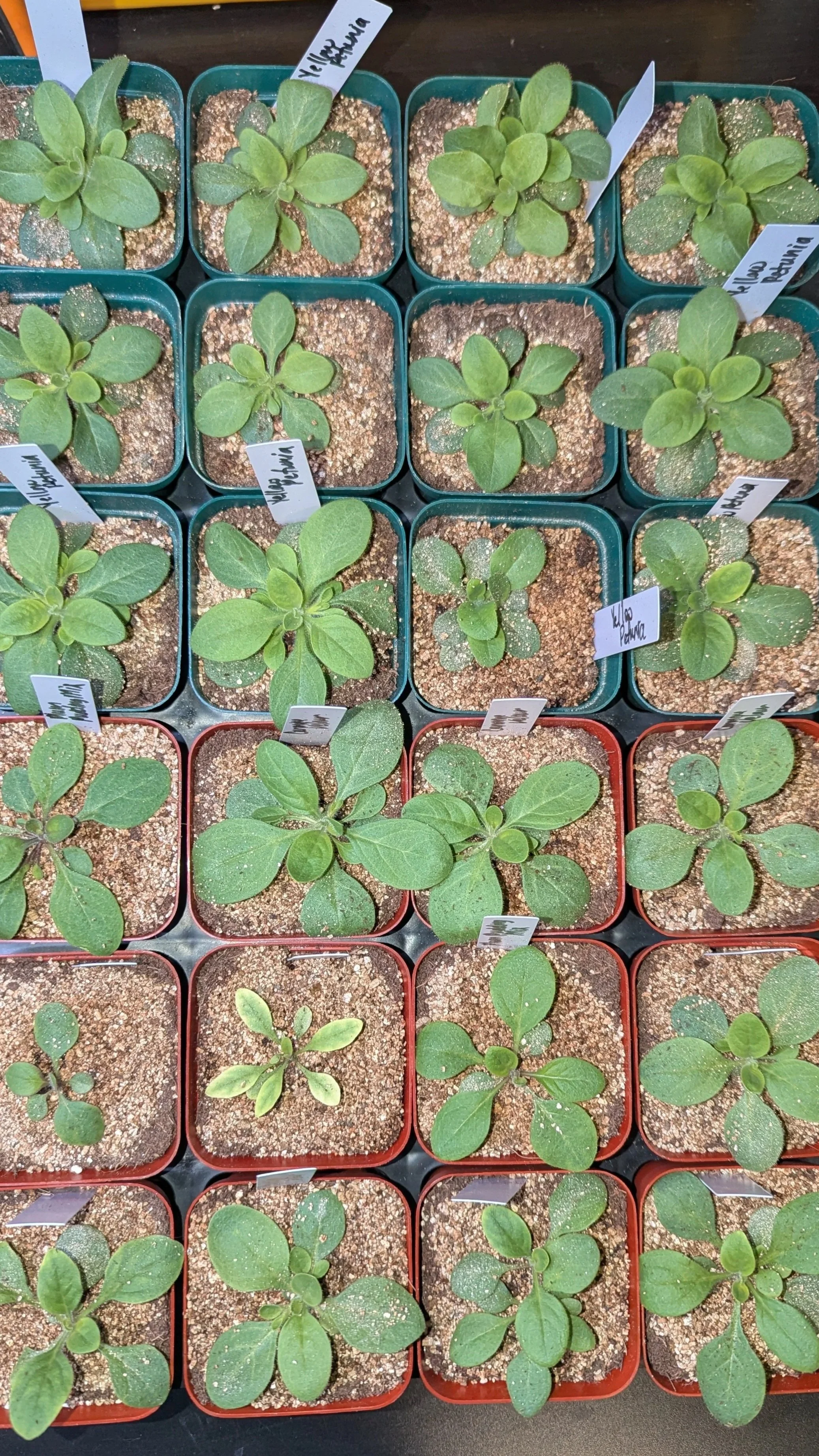
TigreBlume: March 2026
Why Petunias? The "One and Done" Powerhouse
There’s a reason I come back to petunias every single year. They are the ultimate "worker bees" of the garden:
Continuous Color: Once they start, they don't stop until the first fall frost.
Trailing Habit: They create that "lush waterfall" look that every window box gardener dreams of.
Heat Tolerance: They shrug off the mid-summer sun that makes other annuals fade.
The TigreBlume Secret: To keep them looking fresh, I typically cut them back 2–3 times throughout the season. It feels brave to chop off blooms, but it rewards you with a brand-new flush of growth and even more flowers for the fall!
The TigreBlume Guide: Why (and How) I Prune My Petunias
If your window boxes start to look "leggy"—with long, thin stems and flowers only at the very tips—it’s time for a haircut. Here is my simple strategy for keeping petunias looking lush from May until the first frost.
1. When to Make the Cut
I typically prune my petunias 2–3 times a season.
The First Trim: Late June or early July, once the initial "spring rush" of growth starts to stretch out.
The Refresh: Late August, to ensure the plants stay vibrant and full through the warm fall months.
The Sign: If you can see the soil in the middle of your container because the stems have "flopped" over the sides, it’s time to prune.
2. The "TigreBlume" Pruning Method
You don't have to be a surgeon; you just have to be bold!
The 1/3 Rule: Look for the longest, leggiest stems and cut them back by about two-thirds of their length.
Find the Node: Always make your cut just above a "node" (where a leaf meets the stem). This is where the new, bushier growth will emerge.
The Staggered Approach: If you’re worried about losing all your color at once, prune half the stems one week and the other half the following week. This keeps some blooms on display at all times!
3. Post-Prune Aftercare
Pruning tells the plant to "grow," but it needs fuel to do it.
Water Well: Give them a deep soak immediately after pruning.
Feed the Bloom: This is the perfect time to apply a liquid fertilizer. I prefer a high-phosphorus "bloom booster" to encourage the plant to put all that new energy into flower production.
4. Why It Works
By cutting back your petunias, you are forcing the plant to stop putting energy into long, weak stems and instead focus on branching out from the center. Within 7–10 days, you’ll see a fresh flush of foliage and buds that will be thicker and more colorful than before.
🩺 Petunia First Aid: Solving Common Mid-Summer Problems
Even the most beautiful window boxes can have a "bad hair day." If your petunias aren't looking their best, here is how to identify the culprit and fix it fast.
1. The "Yellow Leaf" Mystery
The Symptom: Lower leaves are turning yellow, or the whole plant looks pale.
The Cause: Usually overwatering or nutrient deficiency. Petunias are heavy feeders; they often "eat" through the nutrients in their potting soil by mid-July.
The Fix: Check the soil—if it’s soggy, let it dry out. If the soil is fine, it’s time to fertilize! Use a water-soluble "bloom booster" every 7–10 days to restore that deep green color.
2. Sticky Stems and Tiny Holes
The Symptom: The stems feel unusually "sap-heavy" or sticky, and you see tiny holes in the flower buds.
The Cause:Aphids or Budworms. Budworms are notorious for eating the flower before it even opens!
The Fix: For aphids, a sharp blast of water from the hose usually does the trick. For budworms, pick them off by hand or look for a biological control like Bt (Bacillus thuringiensis), which is safe for bees but stops the caterpillars in their tracks. I prefer to hand pick them and drop them in a cup of soapy water!
3. The "Mid-August Meltdown"
The Symptom: The plant looks "woody" at the base, leggy at the ends, and stops producing new buds.
The Cause: Extreme heat combined with a lack of pruning.
The Fix: This is when you apply the TigreBlume Pruning Method! Cut them back, fertilize heavily, and give them a deep soak. They will "re-reboot" for a gorgeous fall showing.
Are you trying a new variety this year? I’m so excited to see how the Yellow, Carmine Velour and Plum Pudding Mix look together, but I’d love to hear what colors you’re choosing for your window boxes.
Also, feel free to drop your questions in the comments below, and let’s make 2026 our most vibrant season yet!
Happy Growing!!
